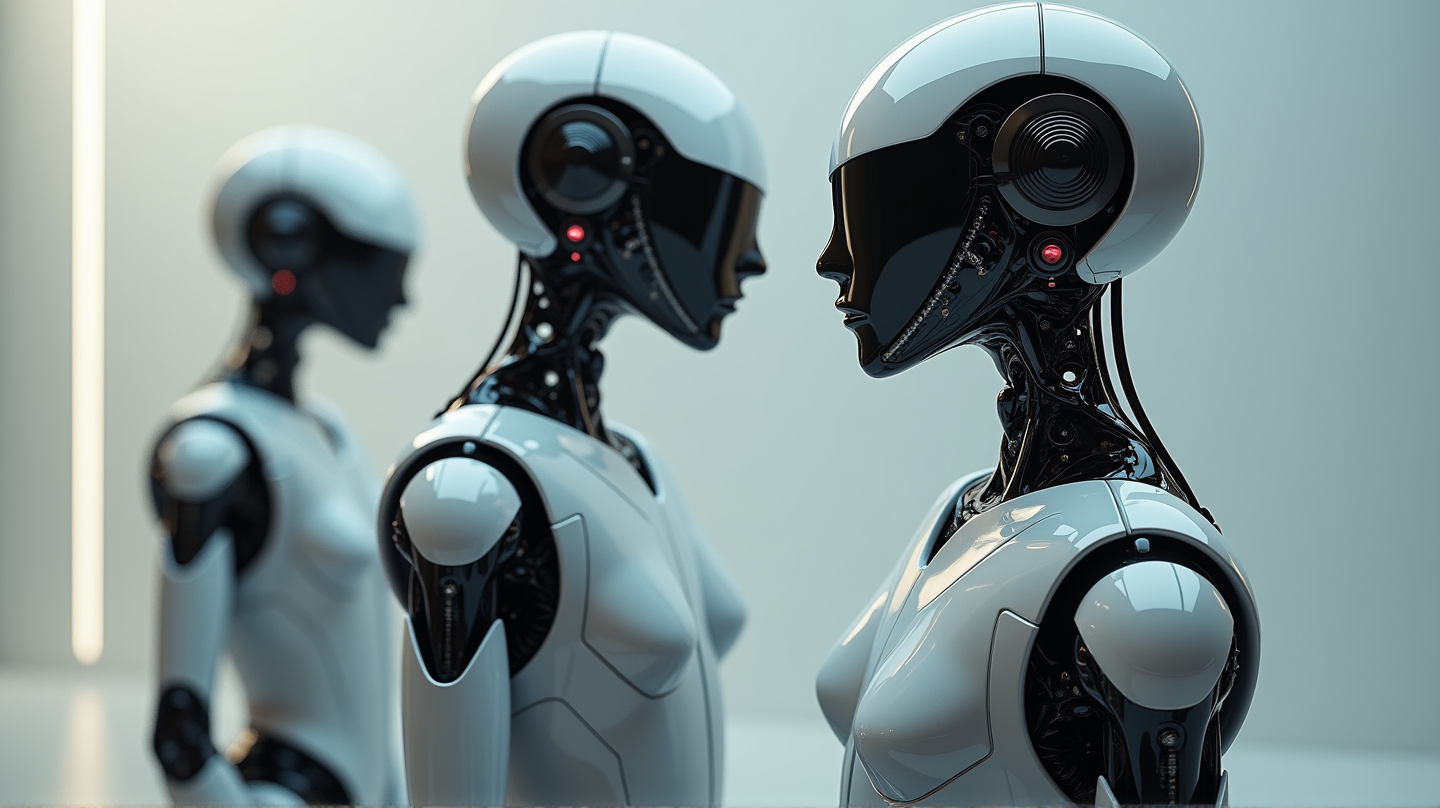
The landscape of robotics is undergoing a dramatic transformation, turning the once cumbersome and slow-moving machines into sleek and efficient workers. Recent breakthroughs reveal a new era where robots are evolving quicker than ever before, adeptly moving through complex environments with precision and grace. This development is a testament to the convergence of more affordable technology and AI’s rapidly advancing capabilities. According to Forbes, this evolution is paving the way for new possibilities in automation and AI integration.
The Catalyst: Economic Viability Meets Technological Advancement
The transformation of robots from clunky prototypes to nimble machines is not just driven by technological gains but also by economic viability. Mat Gilbert, director of AI and data at Synapse, highlights that embedding AI into physical hardware is becoming economically feasible. Cost reductions in components like sensors, batteries, and actuators have catalyzed this evolution. Companies like Amazon, capitalizing on these advancements, have incorporated over a million robots to enhance their operational efficiency.
Significant Cost Reductions Accelerate Progress
The financial landscape of robotics is shifting dramatically. Costs associated with building humanoid robots have decreased significantly—by nearly 40%, exceeding expert forecasts. This price drop, from \(50,000-\)250,000 to just \(30,000-\)150,000 per unit, is facilitating more widespread adoption and innovation.
A Fine Balance: Onboard Intelligence and Cloud Computing
One of the core challenges is achieving seamless integration between onboard intelligence and cloud-based computing. Robotics requires rapid, real-time processing for immediate actions, while complex reasoning can be processed remotely. This hybrid model ensures robots can respond instantaneously to their surroundings while benefitting from comprehensive cloud-based analyses.
The Challenges of Physical AI in Real-World Environments
Integrating robots in spaces occupied by humans introduces unique challenges, specifically regarding safety and adaptability. In spaces like homes, where unpredictability is high, robots must exercise astonishing caution and adaptability—not just to navigate but to execute tasks flawlessly, emphasizing the critical nature of this ultimate test for general-purpose robots.
Looking Forward: The Future of Humanoid Robotics
As the cost landscape becomes more favorable, and technology continues to advance, the potential for humanoid robots is boundless. The ultimate goal cited by experts is a robot capable of performing tasks in unstructured environments—encompassing everything from household chores to complex industrial activities. This progression signifies a future where robotics becomes an integral part of daily life, potentially transforming everything from how we conduct business to how we manage our homes.
In essence, the evolution of robotics is driven by a symbiotic relationship between cost, technology, and the increasing capabilities of AI, painting a promising picture for the future of machine intelligence.