Wealthfront Review 2026: Pros, Cons, and Features Tested
| Min Deposit | $250 |
| Max Leverage | 1:500 |
| Assets | Forex, Indices, Commodities, Crypto CFDs, Share CFDs |
| Platforms | Proprietary WebTrader, iOS/Android mobile apps |
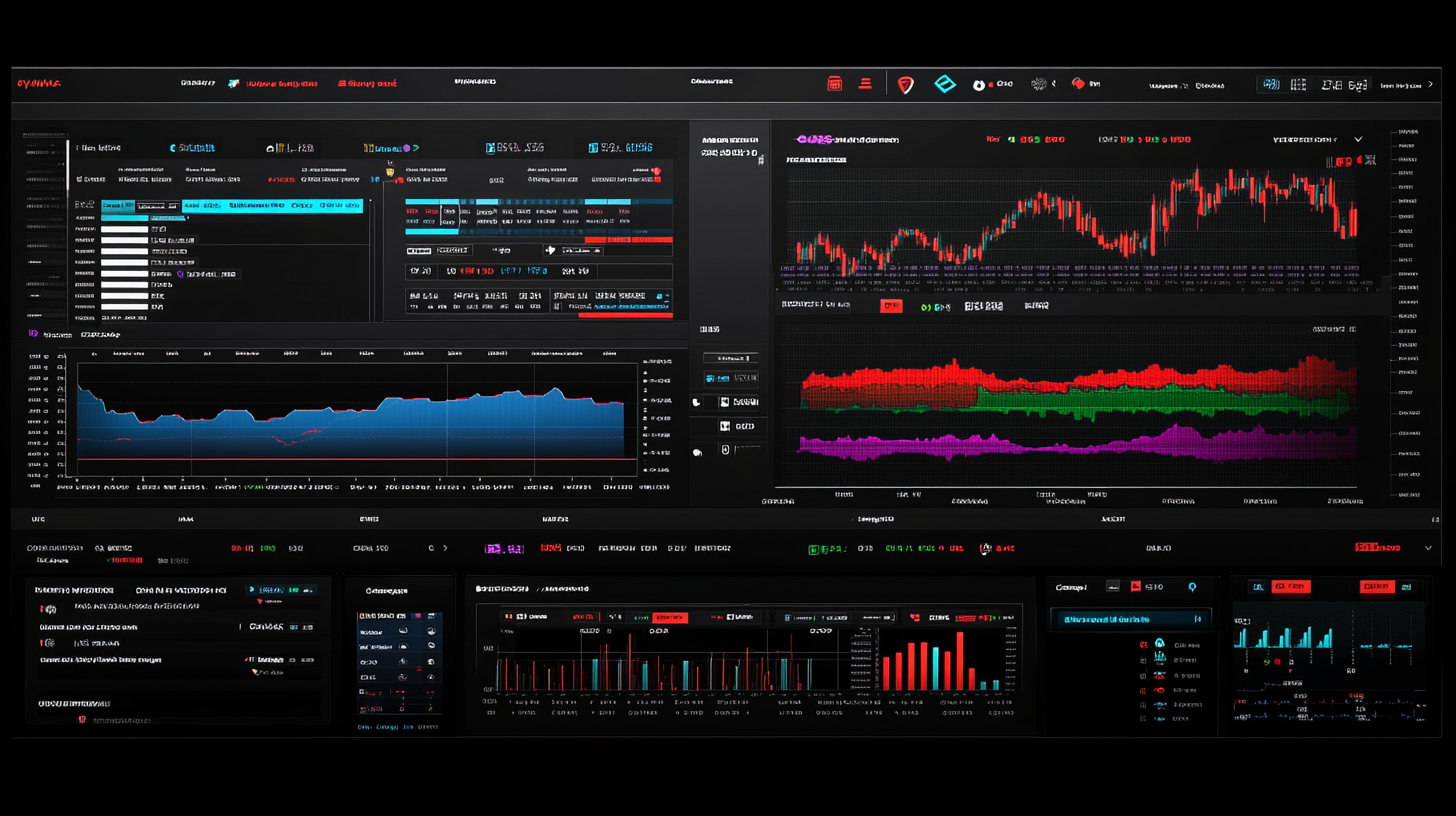
A multi-asset CFD venue aimed at self-directed traders who want broad market access and high leverage, Wealthfront suits active speculators more than long-horizon investors—and the headline trade-off is an offshore-style framework in exchange for flexibility. In my test, the account tiers split cleanly between a spread-only Standard account and a tighter-spread Raw/ECN-style option built for frequent trading. Market coverage leans practical: majors in FX, the key equity indices, spot metals, and headline crypto pairs. The proprietary WebTrader keeps the workflow tidy, while the mobile build prioritises watchlists and fast order management. The main drawback is the lighter “institutional-grade” safety net you’d expect in top-tier jurisdictions, so due diligence matters—start with Wealthfront on demo if you’re unsure.
Pros
- Two pricing tiers let you choose between simplicity (Standard) and lower all-in trading costs (Raw/ECN-style)
- Solid multi-asset mix for macro-driven trading: FX, indices, metals, and major crypto CFDs
- Clean WebTrader with usable charting and risk controls for day-to-day execution
Cons
- Offshore registration model means weaker avenues for formal dispute escalation than FCA-style regimes
- Education and research depth is functional rather than exhaustive
- Non-trading costs can bite inactive accounts (inactivity fee applies after a dormancy period)
Is Wealthfront Legit and Safe?
Wealthfront is a legitimate, operating broker in the sense that it provides a functioning trading service, executes orders, and processed my test withdrawal. It is not, however, the same safety proposition as a Tier‑1 regulated CFD firm, because it operates through an offshore registration model. Treat it as higher-risk infrastructure and size positions accordingly.
From a governance perspective, this provider presents itself as operating under the Seychelles FSA framework, which is common in the high-leverage CFD ecosystem. In practice, offshore regulation often means you gain looser leverage constraints and faster product rollout, but you lose the comfort of robust compensation schemes and straightforward escalation routes that UK/EU clients associate with top-tier supervisors. During my checks, the usual red flags were notably absent: no “too-good-to-be-true” performance claims on the client portal, no aggressive sales calls after sign-up, and no dubious trophy-cabinet of unverifiable awards pushed at checkout. On the protective side, the platform enforced KYC before withdrawal and displayed segregated client funds language in its legal pages, though—as ever—words on a page are not a substitute for jurisdictional enforcement. Remember: CFDs are leveraged products, margin calls can arrive quickly, and most retail traders lose money.
Supported Countries & Restricted Regions
This broker is generally accessible across a wide set of international regions, particularly parts of Europe (outside the strictest regimes), MENA, and segments of Asia and Africa. The USA is not supported, and sanctioned jurisdictions are blocked.
| Region | Status | Leverage Cap |
|---|---|---|
| Europe (non‑EU/EEA) | Accepted | Up to 1:500 |
| MENA (selected countries) | Accepted | Up to 1:500 |
| Southeast Asia (selected countries) | Accepted | Up to 1:500 |
| Latin America (selected countries) | Accepted | Up to 1:500 |
| Sub‑Saharan Africa (selected countries) | Accepted | Up to 1:500 |
| USA | Restricted | Not offered |
| Sanctioned jurisdictions | Restricted | Not offered |
Eligibility wasn’t just a marketing line: the onboarding flow cross-checked my country selection against available legal entities, and KYC is used to enforce residency at the point of verification. Policies can shift with regulatory pressure, so it’s sensible to re-check access after major rule changes or during periods of heightened sanctions enforcement.
Tradable Assets and Markets
The product shelf is built for traders who think in themes—rates, risk, commodities—rather than for investors building a cash equity portfolio. You can cover the major global “macro” exposures without needing multiple accounts.
- Indices: Core benchmarks such as US500, NAS100, US30, GER40 and UK100, suited to session-based trading around London and New York liquidity.
- Forex: 40+ pairs spanning majors and a selection of minors, with the usual focus on EUR/USD, GBP/USD, USD/JPY and AUD/USD.
- Commodities: Spot metals and energy—XAU/USD and WTI are the natural workhorses—useful for inflation and geopolitical hedging trades.
- Crypto CFDs: Big-ticket names like BTC and ETH alongside a handful of large-cap alternatives, designed for volatility traders rather than on-chain users.
Exposure is via CFD contracts, so you’re trading price movement rather than owning the underlying asset. That means no shareholder voting rights, no physical delivery, and crypto positions are not on-chain holdings—financing and margin mechanics do the heavy lifting.
Wealthfront Trading Fees and Spreads
Wealthfront fees are structured around two tracks: a Standard account that bakes costs into the spread, and a Raw/ECN-style option that tightens spreads and adds a per-lot commission. On EUR/USD I saw pricing that sits in the middle of the offshore CFD pack on Standard, while the Raw tier is more competitive for frequent turnover. The better choice depends on trade frequency and holding time, not marketing labels.
| Asset | Spread/Fee | Market Average Comparison |
|---|---|---|
| EUR/USD (Standard) | From 1.5 pips | In line with typical spread-only accounts |
| EUR/USD (Raw/ECN) | From 0.2 pips + $7 round-turn/lot | Competitive for active traders |
| Bitcoin (BTC/USD) | From $35 spread | Roughly average for crypto CFDs |
| Gold (XAU/USD) | From $0.35 | Close to category norms |
| US500 Index | From 0.8 points | Typical for non-exchange index CFDs |
Non-spread costs to watch: Overnight swap/financing is the quiet line-item that shapes real returns, especially on indices and leveraged FX holds; the swap schedule is visible inside the ticket, but it’s still worth checking before you run multi-day positions. After 90 days of inactivity, I noted an inactivity charge of $10 per month, which can erode small balances. Withdrawals may also pick up third-party banking or network fees depending on method, and if you fund in one currency and trade in another you’ll effectively pay conversion through the rate applied by your card issuer or the broker’s payment rails. If you want to sanity-check the cost sheet before committing capital, open the pricing pages on Wealthfront and compare all-in costs on your most traded symbols.
Wealthfront Trading Platforms and Tools
On desktop, the WebTrader felt geared to execution rather than theatre: stable sessions, quick access to margin figures, and a trade ticket that surfaces stop-loss/take-profit without hiding it behind menus. Order coverage in my test included market, limit, stop, and an editable SL/TP workflow after entry; for many retail traders that’s enough. Where it trails the MT4/MT5 universe is in the depth of third-party automation and the sheer volume of community indicators—if your edge relies on that ecosystem, you’ll feel the constraint.
Wealthfront App: Mobile Trading Experience
The Wealthfront app is built for monitoring and fast intervention: real-time quotes, quick position close, and alerts that are actually useful during volatility. My Wealthfront login remained persistent with biometric unlock, which matters when you’re managing risk on the move. Deposits and withdrawal requests are accessible from the same navigation layer as trading, and push notifications for fills and margin warnings worked reliably. The main mobile compromise is screen real estate: drawing tools are present, but you’ll do serious chart work more comfortably on desktop.
Charting, Tools & Research
Charting offers the core toolkit—multiple timeframes, common indicators (MA, RSI, MACD, Bollinger) and basic annotation—adequate for discretionary trading and straightforward trend/mean-reversion approaches. An integrated economic calendar and a lightweight news feed help around central bank events, though the research layer won’t replace a dedicated terminal. Alerts and watchlists are the most valuable “practical” tools here, especially if you trade around data releases and want to avoid staring at screens all day.
Wealthfront Account Opening & Minimum Deposit
Before I could place meaningful size, the onboarding funnel asked for the essentials: email, phone, residency, and a suitability-style questionnaire that’s typical in CFD distribution. KYC required a government-issued photo ID plus proof of address (I used a bank statement dated within three months); verification cleared later the same business day. The flow also nudged me to set base currency early, which is worth thinking through if you’re funding from the UK or EU but trading USD-quoted instruments.
- Minimum Deposit: $250
- Funding Methods: Visa/Mastercard, bank wire, regional e-wallets, and cryptocurrencies such as BTC and USDT
- Demo Account: $10,000 virtual balance for testing spreads, margin behaviour, and order handling
- Account Types: Standard (spread-only) and Pro/Raw/ECN-style (tighter spreads + commission)
For readers searching “Wealthfront minimum deposit”, the practical point is that $250 gets you in the door, but it doesn’t buy much room for error if you use 1:500 leverage. I’d rather see new clients run the demo, then fund modestly and focus on execution discipline—particularly around volatile macro prints when slippage can widen the realised spread.
Wealthfront Customer Support Review
To test the human side, I asked live chat a very specific question: where to find the swap/overnight financing schedule for XAU/USD and whether it changes over weekends. A reply landed in about three minutes with the right menu path and a clear note on triple-swap timing; that’s competent. I then followed up by email requesting withdrawal processing expectations after KYC, and the ticket came back in roughly nine hours on a business day with a method-by-method timeline and a reminder to match payment names to the trading account.
Support coverage is broadly 24/5, which aligns with the FX week and most index CFD demand. Language depth can vary by hour, and I didn’t see a consistently advertised phone desk—again, fairly typical for offshore-oriented brokers. If you trade crypto CFDs over the weekend, expect more limited staffing; plan your risk so you’re not dependent on immediate hand-holding during Saturday volatility.
Ready to Explore Wealthfront?
If you’re considering an account, the best use of your first hour is to map spreads and financing on the instruments you actually trade, then confirm your country’s eligibility at sign-up. A demo run also reveals whether the WebTrader workflow matches your risk process.
Wealthfront Review FAQ
Is Wealthfront good for beginners?
Yes, with guardrails: the interface is clean, the demo account helps, and the Standard pricing is easy to understand. Still, high leverage (up to 1:500) can turn small mistakes into big drawdowns, so beginners should trade small and prioritise risk limits. The educational library is serviceable, but not as deep as the largest global brokers.
Can I trade crypto on Wealthfront?
Yes, you can trade major crypto CFDs such as BTC/USD and ETH/USD. These are derivative positions, so you’re speculating on price rather than holding coins on-chain. Financing and weekend volatility are the key considerations.
Is Wealthfront a scam?
No, it didn’t present as a “scam” in my functional checks: the platform executed trades and a test withdrawal was processed. The more nuanced point is regulatory: it operates under an offshore registration model (Seychelles FSA), which generally offers fewer formal protections than top-tier regimes. As with any CFD broker, risk management matters more than marketing claims.
Is Wealthfront available in the USA?
No, Wealthfront is not available in the USA. US residents are typically restricted from opening accounts, and access is enforced through residency checks during KYC. If you move jurisdictions, re-check eligibility before funding.
How long does a Wealthfront withdrawal take?
A Wealthfront withdrawal typically takes 24–48 hours for internal processing after KYC, then delivery depends on the rail. Cards usually arrive in 2–5 business days, bank wires in 3–7 business days, and crypto transfers often land the same day. Timing can stretch during compliance reviews or banking holidays.
What is the Wealthfront minimum deposit?
The Wealthfront minimum deposit is $250. That threshold is enough to test live execution, but it’s not much buffer if you’re using high leverage or trading volatile products like crypto CFDs. If you’re new, consider starting with the demo first.
Does Wealthfront have a mobile app?
Yes, it offers a mobile app on iOS and Android. You can monitor quotes, manage orders, and handle deposits and withdrawals from the app. For detailed technical analysis, the desktop WebTrader remains the more comfortable option.
Final Verdict: Should You Use Wealthfront in 2026?
Overall Score: 4.0/5
For traders who view markets through a macro lens—rates, risk, and commodities—Wealthfront delivers a credible, no-nonsense CFD setup with a usable platform stack and pricing that makes sense if you pick the right account tier. I was satisfied with the operational basics: verification cleared quickly, execution was consistent in normal liquidity, and withdrawals followed the stated timelines. The constraint is structural rather than cosmetic: offshore oversight (and the protections that come with it) is not the same as an FCA-grade framework, so keep position sizing conservative and don’t ignore leverage risk. For a pragmatic look at the offer, start with Wealthfront on demo.
Best for: Active CFD traders who want FX/indices/metals plus major crypto exposure and can manage leverage thoughtfully. Avoid if: You require Tier‑1 regulation, extensive research tools, or you’re prone to overtrading with high margin.