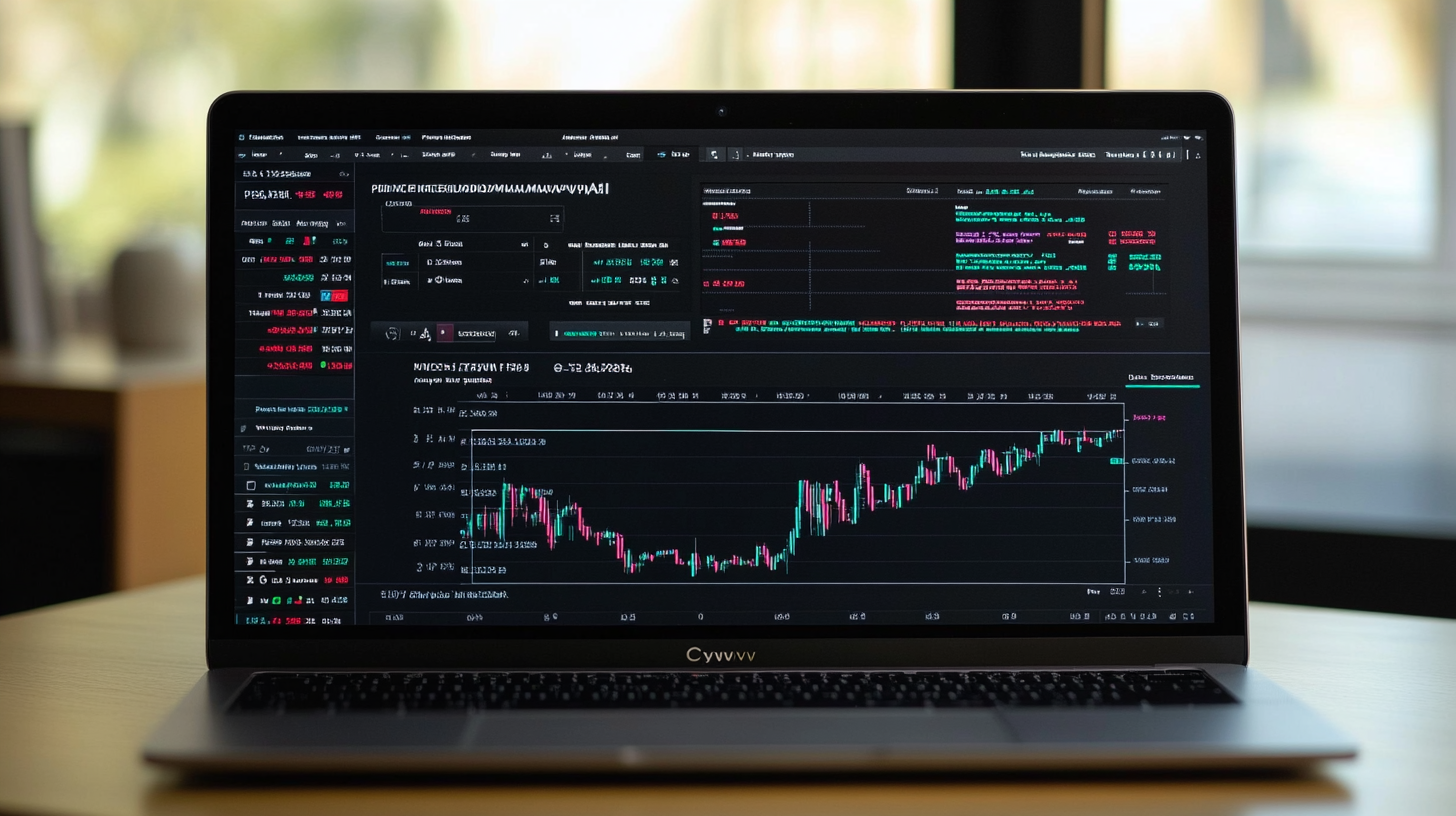
Voile Rendaria Trading Platform Alternatives 2026: Reliable Options for Online Traders
Volatility in rates and FX isn’t a side story in 2026; it’s the main plot. As central banks juggle sticky services inflation, softening labour prints, and fragile funding markets, execution quality and counterparty safety matter at least as much as a sharp chart. That context is why traders searching for Voile Rendaria alternatives tend to focus on three things: regulation (and what it really protects), total cost of trade (spread + commission + financing), and whether the platform stack matches how they actually trade.
Based on what’s commonly observed in offshore CFD venues of this type, Voile Rendaria typically presents as a forex/CFD-first broker offering a proprietary WebTrader plus mobile apps, with high leverage (often around 1:500) and an entry deposit level in the low hundreds of dollars (commonly about $250). That combination can look attractive on the surface, yet it shifts the burden onto the trader: you need to understand margin calls, slippage in fast markets, overnight swap charges, and—crucially—what recourse exists if a dispute arises. For readers comparing the Voile Rendaria proposition to regulated counterparts, the question is less “can I place a trade?” and more “what happens when markets gap, payments fail, or I need a clean audit trail for tax and compliance?”
Disclaimer: This article is for informational purposes only and does not constitute investment advice. CFDs and other leveraged products can move against you quickly and can result in losses exceeding your initial margin.
Key Takeaways (TL;DR)
- Match the broker to your objective: multi-asset investing (real stocks/ETFs) calls for a different venue than short-term FX/CFD trading.
- Compare “round-turn” trading cost, not headline leverage—spread, commission, and swap/overnight fees decide the long-run outcome for active strategies.
- Do the admin in the right order: open and verify the new account first, then withdraw using the original funding method to avoid AML friction.
What Is Voile Rendaria and How Does Its Trading Platform Work?
On the evidence traders usually see from offshore CFD brokers, Voile Rendaria appears positioned as a retail-facing forex and CFD venue rather than a true multi-asset broker. The typical offer in this bracket centres on leveraged FX pairs, index CFDs, a small commodities list, and crypto CFDs—useful for short-term exposure, but structurally different from owning the underlying instrument. It is also common for providers in this segment to operate outside the most demanding supervisory regimes (think FCA, ASIC, CySEC, or NFA), which affects everything from client-money rules to dispute resolution. That’s the practical backdrop to why platforms like Voile Rendaria are often compared against top-tier regulated firms when traders scale up size or sophistication.
Voile Rendaria Web Trading Platform: Core Features and Tools
Expect a proprietary WebTrader designed for broad accessibility: watchlists, basic-to-mid charting, and an account dashboard that keeps deposits, withdrawals, and open positions in a single view. Charting typically supports the essentials—timeframes, common indicators, and drawing tools—yet power users often notice limits around multi-chart layouts, advanced order staging, and the depth of historical data. Order types in web platforms of this category are usually market and pending orders (with stop-loss/take-profit), while execution tools such as DOM, VWAP-style routing, or detailed fill analytics are rarely front and centre. Mobile apps on iOS/Android commonly mirror the web experience reasonably well, though the smallest screens make precise risk placement (stops, limits) harder in fast markets.
Trading Fees, Spreads, and Account Types at Voile Rendaria
Costs are where many traders feel the difference. A typical “standard” pricing profile in this offshore CFD segment is an EUR/USD spread around 2.0 pips, with wider spreads during news and thinner liquidity windows. Some brokers in the same bracket advertise a tighter “raw/ECN-style” tier—often 0.0–0.4 pips plus roughly $6 round-turn commission per lot—though the real test is consistency during volatility. Add the less-advertised items: swap/overnight financing, potential withdrawal charges depending on method, and any inactivity policy that penalises dormant accounts. For traders comparing competitors to Voile Rendaria, it’s the all-in cost per round trip—under normal and stressed conditions—that deserves the spotlight.
When Do Traders Start Looking for Voile Rendaria Alternatives?
Regime shifts in macro are unforgiving: a CPI surprise or a central-bank press conference can turn “acceptable” execution into a string of poor fills. That’s often the moment traders reassess their venue. In my experience, the push toward Voile Rendaria alternatives is rarely ideological; it’s usually triggered by a practical mismatch—tools you need, protections you expected, or friction in moving money. High leverage can amplify that discomfort: at 1:500, a small move can force a margin call before you’ve had time to act, particularly if spreads widen and slippage bites.
- You want MT4/MT5 or cTrader support for automated execution (EAs), custom indicators, or more robust order management than a basic WebTrader provides.
- You require a clear, verifiable regulatory footprint (FCA/ASIC/CySEC/NFA) because you’re increasing size or trading as part of a documented risk process.
- You trade around high-impact events and notice repeated negative slippage or frequent re-quotes—especially on index or FX CFDs during data releases.
- You need access to real shares/ETFs (not only CFDs) for longer-horizon exposure, dividend treatment, and clean portfolio reporting.
How to Choose a Reliable Alternative to the Voile Rendaria Trading Platform
Start with your strategy and your risk budget, then work backwards into the broker choice. A scalper cares about latency, spread stability, and commission math; a macro swing trader cares about financing, margin policy, and weekend gap handling. If you’re assessing alternatives to the Voile Rendaria trading platform, structure the decision so you can explain it in one sentence—“I chose X because it minimises my biggest failure mode.”
Regulation, Safety, and Investor Protection
For UK/EU readers, FCA and CySEC oversight changes the texture of the risk: rules around segregated client funds, disclosures, and complaint pathways are not decorative. UK clients also look to the FSCS, which can cover eligible claims up to £85,000 in certain insolvency scenarios. In the EU, CySEC-linked entities can fall under the ICF framework (often cited up to €20,000, eligibility-dependent). For US traders, the relevant lens is NFA/CFTC membership for FX; it’s a different rulebook, with tighter leverage and stricter marketing constraints.
Available Markets and Instruments
Be specific about what you need to trade and what you need to own. FX and index CFDs are fine for tactical exposure; they’re not the same as holding an ETF, a treasury, or an exchange-traded future. If your plan involves options, futures, or bonds, you’ll gravitate toward true multi-asset venues. If you only need spot FX (or FX CFDs) plus indices and commodities, a specialised FX/CFD broker can be a better fit—provided it’s properly supervised in your jurisdiction.
Trading Costs: Spreads, Commissions, and Other Fees
Headline spreads mislead; measure the full “round-turn” cost. On EUR/USD, a 2.0-pip spread can be expensive for frequent trading, while a raw spread plus commission model can be cheaper but less forgiving if you overtrade. Don’t ignore swap/overnight fees—carry costs can dominate P&L on multi-day holds, particularly when rate differentials are large. Also scan for non-trading costs: inactivity fees, currency conversion, and withdrawal charges can quietly raise the hurdle rate.
Platforms, Tools, and Execution Quality
The platform stack determines what you can do under stress. MT4/MT5 and cTrader support algorithmic trading, more advanced order handling, and a deeper ecosystem of tools than many proprietary web terminals. Execution model matters too: market maker setups may internalise flow, while STP/ECN/DMA routing aims to pass orders through to liquidity providers—each has trade-offs around slippage, spreads, and fill certainty. If you’re benchmarking against Voile Rendaria, test execution during liquid hours and during a scheduled data release; that’s where the truth shows up.
Support, Education, and Overall User Experience
Support quality is hard to price until you need it. Look for clear service hours, realistic response times, and a support desk that can explain margin policy and platform behaviour without scripts. Education is a bonus, not a substitute for risk controls, but good venues provide transparent product disclosures and platform tutorials. Finally, ensure mobile parity is good enough for emergency risk management—closing or reducing exposure shouldn’t depend on being at a desktop.
Voile Rendaria and Different Asset Classes: When Alternatives May Be Better
Voile Rendaria Forex and CFD Trading
In offshore CFD setups, the FX and index offering is usually the headline: roughly a few dozen forex pairs, a handful of commodities, and major indices, with leverage that can run to 1:500. That can suit small accounts, but the trade-off is that risk rises non-linearly—spreads widening by even a fraction of a pip can change a strategy’s expectancy. Regulated FX/CFD specialists such as Pepperstone and OANDA tend to be stronger on platform choice (MT4/MT5/cTrader or robust proprietary tools) and on transparency around execution and pricing. If your approach depends on tight risk placement—say, 10–20 pip stops—moving from a ~2.0 pip environment to a consistently tighter structure can be material over a month of active trading.
Voile Rendaria Stock and ETF Trading
Where many traders hit a wall is equities exposure. Brokers in the Voile Rendaria mould often provide stock indices as CFDs, and any “stocks” that do exist are frequently CFDs rather than real share ownership—meaning no shareholder rights and a financing model that differs from cash equity. If you want genuine stocks and ETFs with broad market access and institutional-grade reporting, Interactive Brokers is the obvious heavyweight, spanning equities, options, futures, bonds, and FX under major regulators (including SEC/FINRA in the US and FCA in the UK). Saxo Bank is another multi-asset route for those who value a polished platform and cross-asset portfolio tools. For long-horizon portfolios, that distinction—CFD exposure versus ownership—can matter more than a marginal difference in FX spread.
Voile Rendaria Crypto Trading
Crypto exposure, when offered by CFD brokers, is typically via crypto CFDs, not on-chain ownership. That means you’re trading price movements with leverage (and financing costs), without withdrawing coins to a wallet. For some traders, that’s perfectly acceptable—particularly if the goal is short-term hedging or tactical risk-on/risk-off positioning. Regulated CFD providers such as IG and Plus500 are often considered by EU/UK traders who want crypto CFDs inside a tighter compliance perimeter, though availability varies by jurisdiction and product rules change frequently. If your priority is custody and on-chain transferability, you’re looking beyond CFDs entirely; but if your priority is regulated derivative access, focus on disclosures, margin rules, and how the platform handles gaps and weekend liquidity.
Best Voile Rendaria Alternatives for 2026: Comparison of Top Trading Platforms
Interactive Brokers (IBKR): Key Facts and How It Compares to Voile Rendaria
Regulation: SEC/FINRA (US), FCA (UK), IIROC (Canada)
Markets: Stocks, ETFs, options, futures, bonds, FX
Fees: FX spreads are competitive and commission structures vary by product; overall pricing is typically geared toward active and professional-style users
Platform: Trader Workstation (TWS), IBKR Desktop, web and mobile platforms, API access
Best For: Cross-asset macro traders who need real market access
Pepperstone: Key Facts and How It Compares to Voile Rendaria
Regulation: FCA (UK), ASIC (Australia), CySEC (EU), DFSA (UAE)
Markets: FX and CFDs (indices, commodities; offering varies by entity)
Fees: Typical EUR/USD from ~0.0–0.3 pips on Razor/Raw-style pricing plus commission; standard-style pricing commonly from ~1.0+ pip
Platform: MT4, MT5, cTrader, TradingView integration (availability varies)
Best For: Systematic FX traders prioritising low all-in costs
IG: Key Facts and How It Compares to Voile Rendaria
Regulation: FCA (UK), ASIC (Australia), MAS (Singapore)
Markets: CFDs across FX, indices, commodities, shares (CFDs); other products depend on region
Fees: Costs vary by instrument; FX spreads are often competitive on majors, with additional fees depending on product type
Platform: Proprietary web platform and mobile app; MT4 support in many regions
Best For: Event-driven traders wanting broad CFD market coverage
OANDA: Key Facts and How It Compares to Voile Rendaria
Regulation: CFTC/NFA (US), FCA (UK), ASIC (Australia), IIROC (Canada)
Markets: FX (and CFDs in certain jurisdictions)
Fees: Pricing is typically spread-based; EUR/USD spreads often range around ~0.6–1.2 pips depending on market conditions and account type
Platform: OANDA Trade (web/mobile), MT4
Best For: US-eligible FX traders who value clear regulation
Saxo Bank: Key Facts and How It Compares to Voile Rendaria
Regulation: FCA (UK), MAS (Singapore), DFSA (UAE)
Markets: Stocks, ETFs, bonds, options, futures, FX, CFDs
Fees: Pricing varies by tier and product; FX spreads can be tight for larger accounts, with transparent schedule-based costs for many instruments
Platform: SaxoTraderGO, SaxoTraderPRO
Best For: Portfolio builders combining investing and tactical hedging
Plus500: Key Facts and How It Compares to Voile Rendaria
Regulation: FCA (UK), CySEC (EU), ASIC (Australia), MAS (Singapore)
Markets: CFDs on FX, indices, commodities, shares, crypto (where permitted)
Fees: Mainly spread-based pricing; typical costs depend on instrument, volatility, and trading hours, with overnight funding charges on leveraged holds
Platform: Proprietary WebTrader and mobile apps
Best For: Beginners who prefer a simplified CFD interface
Comparison Summary
| Platform | Regulation | Main Markets | Typical Costs | Best For |
|---|---|---|---|---|
| Interactive Brokers (IBKR) | SEC/FINRA, FCA, IIROC | Stocks/ETFs, options, futures, bonds, FX | Product-based commissions; competitive FX pricing for active users | Cross-asset macro traders who need real market access |
| Pepperstone | FCA, ASIC, CySEC, DFSA | FX + CFDs | EUR/USD ~0.0–0.3 pips + commission (raw-style); ~1.0+ pip (standard-style) | Systematic FX traders prioritising low all-in costs |
| IG | FCA, ASIC, MAS | Wide CFD range (FX, indices, commodities, share CFDs) | Variable spreads by market; costs depend on product and conditions | Event-driven traders wanting broad CFD market coverage |
| OANDA | CFTC/NFA, FCA, ASIC, IIROC | FX (plus CFDs in some regions) | Often spread-only; EUR/USD commonly ~0.6–1.2 pips in normal conditions | US-eligible FX traders who value clear regulation |
| Saxo Bank | FCA, MAS, DFSA | Multi-asset: stocks/ETFs, options, futures, FX, CFDs | Tiered schedules; FX spreads and trading fees vary by product and account level | Portfolio builders combining investing and tactical hedging |
| Plus500 | FCA, CySEC, ASIC, MAS | CFDs across FX, indices, commodities, shares, crypto (where permitted) | Spread-based; overnight funding on leveraged positions | Beginners who prefer a simplified CFD interface |
How to Safely Move from Voile Rendaria to Another Broker
Switching brokers is not a “click-and-go” exercise; it’s operational risk management. Treat it the way you’d treat a strategy change: preserve records, reduce exposure before you move cash, and avoid letting urgency dictate decisions. If you currently have open leveraged positions, remember that spreads and margin requirements can shift quickly—so plan the exit rather than improvising it on a volatile session.
- Confirm the new broker’s authorisation on the regulator’s own database (FCA Register, ASIC Connect, CySEC register, or NFA BASIC) before you upload documents or fund an account.
- Open the new account and complete KYC/AML checks first—passport/ID plus proof of address—so you’re not stuck mid-withdrawal without an alternative venue ready.
- Flatten risk: close positions on Voile Rendaria rather than assuming any position transfer process exists between brokers.
- Withdraw using the original deposit method where possible; many payment teams will insist on this to satisfy anti-money-laundering controls.
- Export statements, confirmations, and account history for your own archive (tax, performance review, and any later dispute resolution).
Ready to Explore Voile Rendaria?
If you’re comparing brokers side-by-side, it can still be useful to review the current onboarding flow, product list, and platform tools directly—especially if regional terms have changed. Check eligibility in your jurisdiction, then compare spread/commission structure and margin rules against the regulated substitutes discussed above.
FAQ: Voile Rendaria Alternatives and Trading Platforms
What is the best alternative to Voile Rendaria in 2026?
The best option depends on whether you need true multi-asset access or mainly FX/CFDs. Interactive Brokers is hard to beat for real stocks/ETFs, options, futures, and institutional-grade reporting, while Pepperstone is often preferred for MT4/MT5/cTrader-based FX trading with raw-style pricing. If you want a broad CFD menu with strong oversight in the UK/EU, IG is frequently shortlisted. This is the core trade-off behind most best Voile Rendaria alternatives 2026 shortlists: ownership and market access versus pure CFD convenience.
Is Voile Rendaria a safe broker/platform?
Voile Rendaria appears consistent with an offshore/unregulated CFD framework (commonly associated with registrations such as Seychelles FSA rather than FCA/NFA-style supervision), which usually means fewer investor protections than top-tier regulated brokers. Safety is not just about platform uptime; it’s about client money rules, complaint pathways, and what happens in an insolvency scenario. If you’re considering Voile Rendaria alternatives, prioritise firms regulated by FCA, ASIC, CySEC, or NFA/CFTC, and verify the licence on the regulator’s public register.
Can I trade stocks, futures, or crypto with Voile Rendaria?
With brokers similar to Voile Rendaria, the usual menu is FX and CFDs, sometimes including crypto CFDs, rather than exchange-traded futures or real stock ownership. If you need listed futures or options, Interactive Brokers and Saxo Bank are more natural fits because they provide multi-asset access under major regulators. For crypto, many regulated venues offer CFD-style exposure where permitted, but that still differs from holding coins on-chain.
What should I check before switching from Voile Rendaria to another platform?
Before moving, verify regulation on the official register, then read the broker’s margin policy, negative balance protection terms, and withdrawal rules. Next, compare execution tooling (MT4/MT5/cTrader vs proprietary), and calculate expected round-turn cost including spread, commission, and swap. Finally, test the new venue with small size first; this is a practical way to validate order fills, slippage behaviour, and support response before you commit larger capital—an approach I recommend to anyone weighing Voile Rendaria trading platform alternatives 2026.
About the Author: James Sterling is a London-based market strategist and former financial journalist with two decades covering central-bank policy, currency markets, and cross-asset risk. An LSE graduate with an MSc in Economics, he focuses on execution realities—costs, liquidity, and rulebooks—rather than trading slogans.