Velmorino Trading Platform Alternatives 2026: Reliable Options for Online Traders
Speed is seductive in markets. A clean WebTrader, high leverage, and a low-friction signup can feel like progress—right up to the moment you need predictable execution, a clear complaints path, or a withdrawal processed without drama. That tension sits at the heart of the search for Velmorino alternatives in 2026. From what is typically observable in this offshore CFD segment, Velmorino appears positioned as a forex/CFD-first venue offering a proprietary browser platform plus mobile apps, with headline leverage that can reach 1:500 and entry-level deposits around $250. Pricing, again consistent with this category, often lands nearer “retail wide” than “institutional tight”—think roughly 2.0 pips on EUR/USD on a standard-style setup, with swap/overnight financing applying on held positions.
Where traders get uneasy is rarely the charting package itself; it’s the plumbing behind the interface. Offshore registration (commonly seen under Seychelles FSA frameworks in this slice of the market), limited investor-protection structures, and opaque execution models can matter more than a slick dashboard. Add the practical constraints—US clients typically excluded, and certain sanctioned jurisdictions restricted—and the case for comparing alternatives to the Velmorino trading platform becomes straightforward. If you’re considering Velmorino, the sensible approach is to benchmark it against well-regulated brokers where client-money rules, compensation schemes, and disclosure standards are materially stronger.
Disclaimer: This article is for informational purposes only and does not constitute investment advice. CFDs and other leveraged products carry a high risk of loss; you can lose more than your initial margin in some cases.
Key Takeaways (TL;DR)
- Regulated brokers (FCA/ASIC/CySEC/NFA) typically provide clearer client-funds segregation rules and formal complaint channels than offshore CFD venues.
- Compare “round-turn” trading cost (spread + commission) rather than headline leverage; over a month of active trading, a 1-pip difference can dwarf small fee perks.
- If you rely on MT4/MT5/cTrader, prioritise platforms that support your order types, automation, and execution reporting—then test with small size before scaling.
What Is Velmorino and How Does Its Trading Platform Work?
On structure, Velmorino fits the familiar template of an offshore, CFD-led broker offering access mainly to forex pairs and index/commodity CFDs, with crypto CFDs commonly present in this bracket. The operating feel is geared toward short-horizon traders: quick onboarding, high leverage (often marketed up to 1:500), and a relatively modest minimum deposit (around $250). The trade-off, as with many brokers similar to Velmorino, is that the regulatory perimeter and investor-protection mechanisms may be lighter than what US/EU traders are used to under the FCA, ASIC, CySEC, or NFA framework.
Velmorino Web Trading Platform: Core Features and Tools
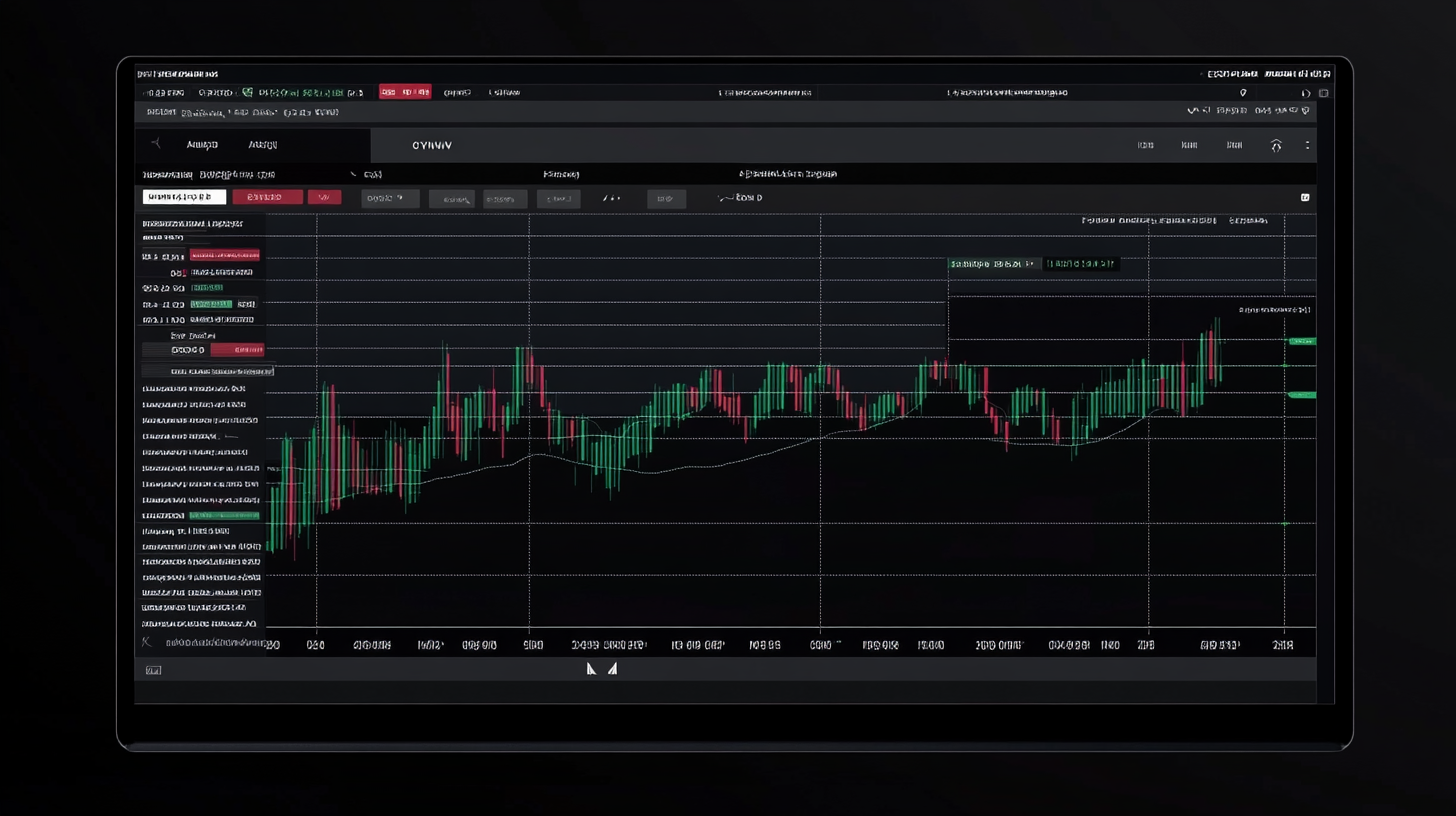
Functionally, Velmorino’s proprietary WebTrader tends to cover the basics well enough: responsive charts, common indicators, and standard drawing tools for pattern work. Order entry is typically simple—market and limit/stop orders, plus risk controls like stop-loss and take-profit—though advanced order logic (OCO brackets, partial fills reporting, depth-of-market) is not always as transparent as on DMA-style platforms. Mobile apps for iOS/Android usually mirror core trading and account actions, but power users should look for detail: execution timestamps, slippage reporting, and whether alerts and watchlists sync cleanly between devices.
Trading Fees, Spreads, and Account Types at Velmorino
Costs in this offshore CFD segment are often packaged as a spread-first model. A typical benchmark is EUR/USD “from ~2.0 pips” on a standard-style account, with swaps/overnight financing charged (or credited) when you carry positions past rollover. Some brokers in this category advertise tighter “raw/ECN-like” pricing—often paired with a separate commission—but unless terms are clearly disclosed, it’s difficult to compare like-for-like. Also watch the non-trading line items: withdrawal charges, card-processing fees, and inactivity policies can be where competitors to Velmorino diverge most sharply.
When Do Traders Start Looking for Velmorino Alternatives?
Regime shifts in market volatility tend to expose platform weaknesses quickly. When spreads widen, slippage appears, or margin calls arrive sooner than expected, traders stop caring about marketing and start caring about rules. That’s usually the moment Velmorino alternatives enter the conversation: not as a moral judgement, but as a practical search for stronger oversight, more transparent execution, or simply a platform stack that matches the strategy you’re running. High leverage (such as 1:500) can amplify outcomes, yet it also compresses your error budget; if the broker’s controls and disclosures are thin, the risk compounds.
- You need MT4/MT5 or cTrader to run an EA/automation workflow that a proprietary WebTrader won’t support.
- Withdrawals start requiring repeated documents or take longer than your cash-management plan allows.
- Your strategy is spread-sensitive (scalping/news trading) and ~2.0 pips on EUR/USD becomes a persistent drag.
- You want the comfort of a top-tier regulator and, where applicable, an investor compensation scheme (FSCS/ICF) rather than an offshore framework.
How to Choose a Reliable Alternative to the Velmorino Trading Platform
I approach broker selection like a risk-budget exercise: decide what you cannot tolerate (counterparty risk, execution ambiguity, platform limits), then shop around inside that boundary. For alternatives to the Velmorino trading platform, the “best” choice is usually the one that matches your instrument needs and trading frequency while keeping operational risk low—clear regulation, segregated funds, robust reporting, and predictable margin policies.
Regulation, Safety, and Investor Protection
Start with the regulator’s public register, not a logo on a website. FCA-authorised firms (UK) operate under strict client-money rules and may fall under FSCS protection (up to £85,000 for eligible clients). In the EU, CySEC-regulated brokers can be tied to the ICF (up to €20,000, subject to eligibility). In the US, NFA/CFTC oversight is a different world again—particularly for FX. Segregated client funds, negative balance protection (where offered), and a clear complaints process are the real differentiators versus platforms like Velmorino.
Available Markets and Instruments
List what you actually trade and what you may need next year. If you want real stocks/ETFs with shareholder rights, you’re typically looking at multi-asset brokers offering exchange access, not just stock CFDs. If macro is your game—rates, growth, geopolitics—then futures, bonds, and broad ETF coverage can matter more than extra exotic FX pairs. Many regulated options vs Velmorino also provide tighter product definitions and clearer risk disclosures for CFDs.
Trading Costs: Spreads, Commissions, and Other Fees
Headline spreads are only half the story. A fair comparison is round-turn cost: spread plus any commission you pay to open and close the trade. Add swaps/overnight fees if you carry positions, and don’t ignore non-trading charges like inactivity or withdrawal fees. For an active trader doing, say, 50–100 round turns a month, shaving even 0.5–1.0 pip off average cost can outweigh small differences in deposit minimums or promotional perks.
Platforms, Tools, and Execution Quality
Platform choice is a strategy choice. MT4/MT5 ecosystems suit indicator-heavy workflows and EAs; cTrader is often favoured by traders who want a modern interface and depth-of-market tools. Proprietary platforms can be perfectly serviceable, but verify execution reporting: are you trading a market maker stream, STP/ECN routing, or something closer to DMA for certain instruments? Latency, slippage, and reject rates tend to show up during data releases—exactly when central-bank language can move a market in seconds.
Support, Education, and Overall User Experience
Good support is measurable. Check the hours (does it cover your trading session?), language coverage, and whether the broker provides clear answers on margin calls, swaps, and corporate actions. Education is less about webinars and more about practical documentation: product specs, rollover times, and platform manuals. Also confirm mobile parity; if you manage risk on the move, you need reliable order modification and alerting, not just price viewing.
Velmorino and Different Asset Classes: When Alternatives May Be Better
Velmorino Forex and CFD Trading
Forex/CFDs are where Velmorino appears most at home: roughly 30–50 FX pairs, a set of indices and commodities, and leverage that can reach 1:500. The key question is whether the execution and total cost align with your time horizon. A typical EUR/USD spread around 2.0 pips is workable for swing trading, but it’s punitive for tight-stop scalping, and it can magnify the impact of slippage during volatile windows. By contrast, specialist brokers such as Pepperstone or IC Markets often offer “raw” style pricing (e.g., ~0.0–0.4 pips plus a transparent commission), alongside MT4/MT5/cTrader options and clearer reporting. That doesn’t eliminate risk—CFDs remain leveraged products—but it can make your P&L less hostage to frictional costs.
Velmorino Stock and ETF Trading
If your 2026 plan involves genuine portfolio building—owning equities, receiving dividends as a shareholder, or using ETFs for macro expression—then the distinction between “real” and “CFD” matters. Offshore CFD brokers commonly offer stock exposure mainly as CFDs, which means no ownership rights and a different risk profile: financing charges can apply, and trading hours/pricing are broker-mediated. Multi-asset houses like Interactive Brokers and Saxo Bank are built for this problem: they provide broad stocks/ETFs access (often with DMA-style routing options), plus the ability to trade options and futures for hedging. For traders migrating from brokers similar to Velmorino, this is often the single biggest capability jump—less leverage theatre, more market access.
Velmorino Crypto Trading
Crypto access on CFD-first venues is typically delivered as crypto CFDs—price exposure without on-chain ownership. That can be acceptable if you’re trading short-term momentum and you understand overnight financing, weekend gaps, and the broker’s pricing source. It is not the same as holding coins in a wallet, and it won’t suit investors who care about custody, transfers, or staking. Among regulated options vs Velmorino, IG and Plus500 are widely used for crypto CFDs in eligible regions, with more formalised risk warnings and jurisdictional controls. Still, crypto remains volatile, and leverage on crypto CFDs can turn a small move into a margin event; size accordingly.
Best Velmorino Alternatives for 2026: Comparison of Top Trading Platforms
Interactive Brokers (IBKR): Key Facts and How It Compares to Velmorino
Regulation: SEC/FINRA (US), FCA (UK), IIROC (Canada)
Markets: Stocks, ETFs, options, futures, bonds, FX
Fees: FX is typically commission-based with tight spreads; stock/ETF pricing varies by venue and plan (tiered/fixed structures)
Platform: Trader Workstation (TWS), IBKR Desktop, mobile apps, API tools
Best For: Macro-driven multi-asset traders who want exchange access
Pepperstone: Key Facts and How It Compares to Velmorino
Regulation: FCA (UK), ASIC (Australia), CySEC (EU), DFSA (UAE)
Markets: FX, CFDs (indices, commodities, some shares as CFDs)
Fees: EUR/USD often ~0.0–0.3 pips on Razor-style pricing plus commission; Standard-style pricing typically from ~1.0+ pip
Platform: MT4, MT5, cTrader, TradingView (availability varies by entity)
Best For: Cost-sensitive FX traders using MT4/MT5 or cTrader
Saxo Bank: Key Facts and How It Compares to Velmorino
Regulation: FCA (UK), MAS (Singapore), DFSA (UAE)
Markets: Stocks, ETFs, bonds, FX, options, futures, CFDs
Fees: FX spreads and commissions depend on tier; generally sharper pricing at higher activity levels; investing commissions vary by market
Platform: SaxoTraderGO, SaxoTraderPRO
Best For: Portfolio builders combining FX with global equities and options
IG: Key Facts and How It Compares to Velmorino
Regulation: FCA (UK), ASIC (Australia), MAS (Singapore)
Markets: CFDs (indices, FX, commodities, shares), spread betting (UK/IE where eligible)
Fees: CFD pricing is primarily spread-based; typical FX spreads often start around ~0.6+ pips depending on market conditions
Platform: IG proprietary platform, mobile apps; MT4 supported in many regions
Best For: Active CFD traders who value strong regulatory oversight
IC Markets: Key Facts and How It Compares to Velmorino
Regulation: ASIC (Australia), CySEC (EU), FSA Seychelles (group-level)
Markets: FX, CFDs (indices, commodities, some shares as CFDs)
Fees: Raw pricing commonly ~0.0–0.4 pips on EUR/USD plus commission (often around $6–$7 round-turn); Standard-style pricing typically from ~1.0+ pip
Platform: MT4, MT5, cTrader
Best For: High-frequency traders focused on execution and liquidity
CMC Markets: Key Facts and How It Compares to Velmorino
Regulation: FCA (UK), ASIC (Australia), BaFin (Germany)
Markets: CFDs (FX, indices, commodities, treasuries, shares as CFDs)
Fees: FX spreads are typically competitive on majors (often from ~0.7+ pips); some structures include commission-based pricing for FX in select regions
Platform: CMC Next Generation, mobile apps; MT4 offered in certain jurisdictions
Best For: Technical analysts who want rich charting in a proprietary platform
Comparison Summary
| Platform | Regulation | Main Markets | Typical Costs | Best For |
|---|---|---|---|---|
| Interactive Brokers (IBKR) | SEC/FINRA, FCA, IIROC | Stocks/ETFs, options, futures, bonds, FX | Commission-led pricing; tight FX spreads; venue-based investing fees | Macro-driven multi-asset traders who want exchange access |
| Pepperstone | FCA, ASIC, CySEC, DFSA | FX and CFDs | Raw: ~0.0–0.3 pips + commission; Standard: ~1.0+ pip | Cost-sensitive FX traders using MT4/MT5 or cTrader |
| Saxo Bank | FCA, MAS, DFSA | Multi-asset (stocks/ETFs, options/futures, FX, CFDs) | Tiered spreads/commissions; sharper at higher activity levels | Portfolio builders combining FX with global equities and options |
| IG | FCA, ASIC, MAS | CFDs; spread betting (where eligible) | Mostly spread-based; FX often from ~0.6+ pips | Active CFD traders who value strong regulatory oversight |
| IC Markets | ASIC, CySEC (plus FSA Seychelles group-level) | FX and CFDs | Raw: ~0.0–0.4 pips + ~$6–$7 round-turn; Standard: ~1.0+ pip | High-frequency traders focused on execution and liquidity |
| CMC Markets | FCA, ASIC, BaFin | CFDs across FX/indices/commodities/shares (CFDs) | FX often from ~0.7+ pips; some regions offer commission FX pricing | Technical analysts who want rich charting in a proprietary platform |
How to Safely Move from Velmorino to Another Broker
Changing brokers is less like switching apps and more like changing counterparties. Treat it as operational risk management: keep records, avoid overlapping exposures, and don’t discover withdrawal rules mid-transfer. Before you pull capital from Velmorino, make sure the destination account is live, verified, and tested; leveraged trading leaves little room for administrative surprises.
- Confirm the new broker’s authorisation on the regulator’s register (FCA Register, ASIC Connect, CySEC directory, or NFA BASIC) and match the legal entity name—not just the brand.
- Open the new account and complete KYC/AML checks (ID and proof of address) before you initiate any large withdrawals; verification delays are common around peak periods.
- Flatten risk on the old account: close open CFD positions rather than assuming any position transfer is possible between brokers.
- Withdraw funds using the same payment rail you used to deposit where possible; many brokers enforce “source of funds” routing to comply with AML rules.
- Export statements, trade confirmations, and funding history for tax reporting and dispute resolution; keep local copies before access changes.
Ready to Explore Velmorino?
If you’re weighing competitors to Velmorino, it can still be useful to review its onboarding flow and current terms side-by-side with regulated brokers—particularly around leverage, withdrawals, and platform functionality in your region.
FAQ: Velmorino Alternatives and Trading Platforms
What is the best alternative to Velmorino in 2026?
The best alternative depends on whether you need multi-asset investing or pure FX/CFD execution. For broad market access (stocks, ETFs, options, futures), Interactive Brokers or Saxo Bank are strong fits; for FX-first trading with MT4/MT5/cTrader, Pepperstone or IC Markets are commonly chosen. Traders focused on proprietary charting and robust oversight often shortlist IG or CMC Markets as best Velmorino alternatives 2026.
Is Velmorino a safe broker/platform?
Velmorino appears to sit closer to an offshore/unregulated framework (often seen under Seychelles FSA-style structures in this segment) than to top-tier regimes like the FCA, ASIC, CySEC, or NFA. That doesn’t automatically imply wrongdoing, but it does mean fewer formal investor-protection features than many regulated options vs Velmorino. If safety is your priority, verify the legal entity and regulator on the public register before depositing.
Can I trade stocks, futures, or crypto with Velmorino?
Velmorino is generally positioned around forex and CFDs, with crypto exposure typically offered as crypto CFDs rather than on-chain ownership; real stocks/ETFs and exchange-traded futures are often not the centre of gravity on platforms like this. If you want real equities, ETFs, and futures access, Interactive Brokers or Saxo Bank are closer matches. For crypto CFDs in regulated settings (where permitted), IG is a common reference point.
What should I check before switching from Velmorino to another platform?
Before switching, verify the new broker’s regulator and legal entity, confirm client-funds segregation rules, and understand margin/negative-balance policies for CFDs. Then compare round-turn trading costs (spread plus commission) and test execution quality with small size. Finally, download your account history from Velmorino and confirm the withdrawal method aligns with AML requirements.
About the Author: James Sterling is a London-based markets strategist with 20 years’ experience analysing central bank policy, cross-asset volatility, and global risk transmission. I hold an MSc in Economics from the London School of Economics and write with a trader’s bias toward execution quality, risk controls, and what breaks first when markets get fast.