Vaultoxia Review 2026: Pros, Cons, and Features Tested
| Min Deposit | $200 |
| Max Leverage | 1:500 |
| Assets | Forex, Crypto CFDs, Commodities, Indices, Share CFDs |
| Platforms | Proprietary WebTrader + iOS/Android mobile apps |
Built for traders who want multi-asset CFDs with punchy leverage, Vaultoxia suits active speculators and short-horizon macro traders—while the headline compromise is an offshore framework with fewer formal protections than a Tier‑1 licence. In my test account, the broker pushed a clear two-tier pricing choice (spread-only vs. Raw/ECN-style) and a product list that’s broad enough for FX, index and gold-centric strategies. The trading stack is centred on a browser platform plus mobile, which is convenient, though it lacks the plug-and-play familiarity of the MT4/MT5 ecosystem. Execution felt stable around the London open, but cost control depends on choosing the right account type and respecting margin. For a quick sense of the interface and pricing ladder, I’d start at Vaultoxia with a demo first.
Pros
- Two account tiers that clearly separate spread-only from commission pricing
- Good CFD coverage for FX, indices and key commodities (gold/oil) in one login
- Mobile and WebTrader layout is clean, with fast access to positions and risk controls
Cons
- Operates under an offshore registration model, so dispute escalation is limited
- Education/research is functional rather than institutional-grade
- Dormant accounts can face an inactivity charge after a period of non-use
Is Vaultoxia Legit and Safe?
Vaultoxia appears to be a functioning CFD broker rather than a “vanishing deposit” operation, and my deposit/trading/withdrawal loop worked end-to-end. That said, it sits in the offshore bracket, which changes the safety calculus versus FCA- or ASIC-supervised firms.
What anchored my view was the way compliance gates were enforced. The provider registered under the Seychelles FSA model during my check, and it ran KYC in a conventional AML pattern: photo ID plus recent proof of address before withdrawals were approved. Offshore status matters, though. It often comes with higher leverage and lighter product restrictions, but it also tends to mean weaker compensation schemes and fewer practical routes for resolving disputes if something turns sour. I also ran a quick red-flag scan: there was no pushy “account manager” pressure on chat, no dubious trophy-cabinet badges plastered across the dashboard, and the withdrawal request didn’t morph into an upsell. The platform’s legal pages referenced segregated client funds, which is a positive signal—still, enforcement standards vary outside top-tier jurisdictions. Finally, keep the product reality in mind: CFDs are leveraged instruments; most retail accounts lose money, and you can burn capital quickly if you treat 1:500 leverage casually.
Supported Countries & Restricted Regions
This broker generally accepts clients across parts of Europe (outside the UK/EU-regulated perimeter), MENA, Southeast Asia and selected African markets, subject to local rules. The USA and sanctioned jurisdictions are not onboarded.
| Region | Status | Leverage Cap |
|---|---|---|
| Europe (non‑EU/EEA residents) | Accepted | Up to 1:500 |
| MENA (selected countries) | Accepted | Up to 1:500 |
| Southeast Asia (selected countries) | Accepted | Up to 1:500 |
| Africa (selected countries) | Accepted | Up to 1:500 |
| USA | Restricted | Not offered |
| Sanctioned jurisdictions | Restricted | Not offered |
Eligibility is checked through a mix of IP/location screening and KYC residency documents, and the broker can tighten (or reopen) countries as regulatory pressure shifts. If you travel frequently, expect occasional prompts to reconfirm details at the Vaultoxia login stage.
Tradable Assets and Markets
The line-up reads as “macro-first”: plenty for FX and index traders, with crypto CFDs available as an add-on rather than the whole story. If your watchlist revolves around rates, risk sentiment and commodities, the coverage makes sense.
- Indices: Major contracts such as US500, NAS100, US30, GER40 and UK100, suitable for event-driven trading around CPI, FOMC and earnings seasons.
- Forex: Roughly 40+ pairs in my platform view, with majors and a spread of minors; exotics were present but less liquid outside peak sessions.
- Commodities: Gold and silver sit alongside WTI/Brent crude; pricing is intuitive for traders who hedge risk-off moves via XAU/USD.
- Crypto CFDs: BTC and ETH plus a handful of large-caps; weekend pricing carries financing considerations if you hold positions.
- Share CFDs: A curated list of US/EU blue chips for tactical exposure, best treated as short-term instruments rather than “invest and forget.”
Everything here is CFD exposure, not spot ownership. That means no shareholder rights on equities and no on-chain transferability for crypto, and any dividend effect is typically handled as a cash adjustment rather than true dividend receipt.
Vaultoxia Trading Fees and Spreads
Vaultoxia fees follow a familiar two-tier structure: a Standard account priced via spread-only, and a Raw/ECN-style option that narrows the spread and adds a per-lot commission. In pure cost terms, the Raw tier is more competitive for frequent FX trading, while Standard is easier to reason about for occasional positions.
| Asset | Spread/Fee | Market Average Comparison |
|---|---|---|
| EUR/USD (Standard) | From 1.6 pips | Slightly above the sharpest CFD brokers, but within the offshore norm |
| EUR/USD (Raw/ECN) | From 0.2 pips + $7 round-turn/lot | Competitive for active traders when spreads stay near the floor |
| Bitcoin (BTC/USD) | From 0.25% | In line with typical crypto CFD pricing; watch weekend financing |
| Gold (XAU/USD) | From $0.30 | Reasonable for CFD gold; can widen briefly around major data |
| US500 Index | From 0.8 points | Comparable to many multi-asset CFD venues |
Non-spread costs that matter: Overnight swap/financing is the quiet P&L driver if you hold for days, especially on indices and crypto where weekend adjustments can bite. I also noted an inactivity fee of $10 per month after 90 days without trading, which changes the economics for “park it and ignore it” accounts. On withdrawals, charges tend to come more from your payment rail (bank wire fees or card FX conversion) than from the broker itself; if you fund in one currency and your base account runs another, conversion costs can sneak in. For the current fee schedule and account-tier terms, I cross-checked the disclosures inside Vaultoxia.
Vaultoxia Trading Platforms and Tools
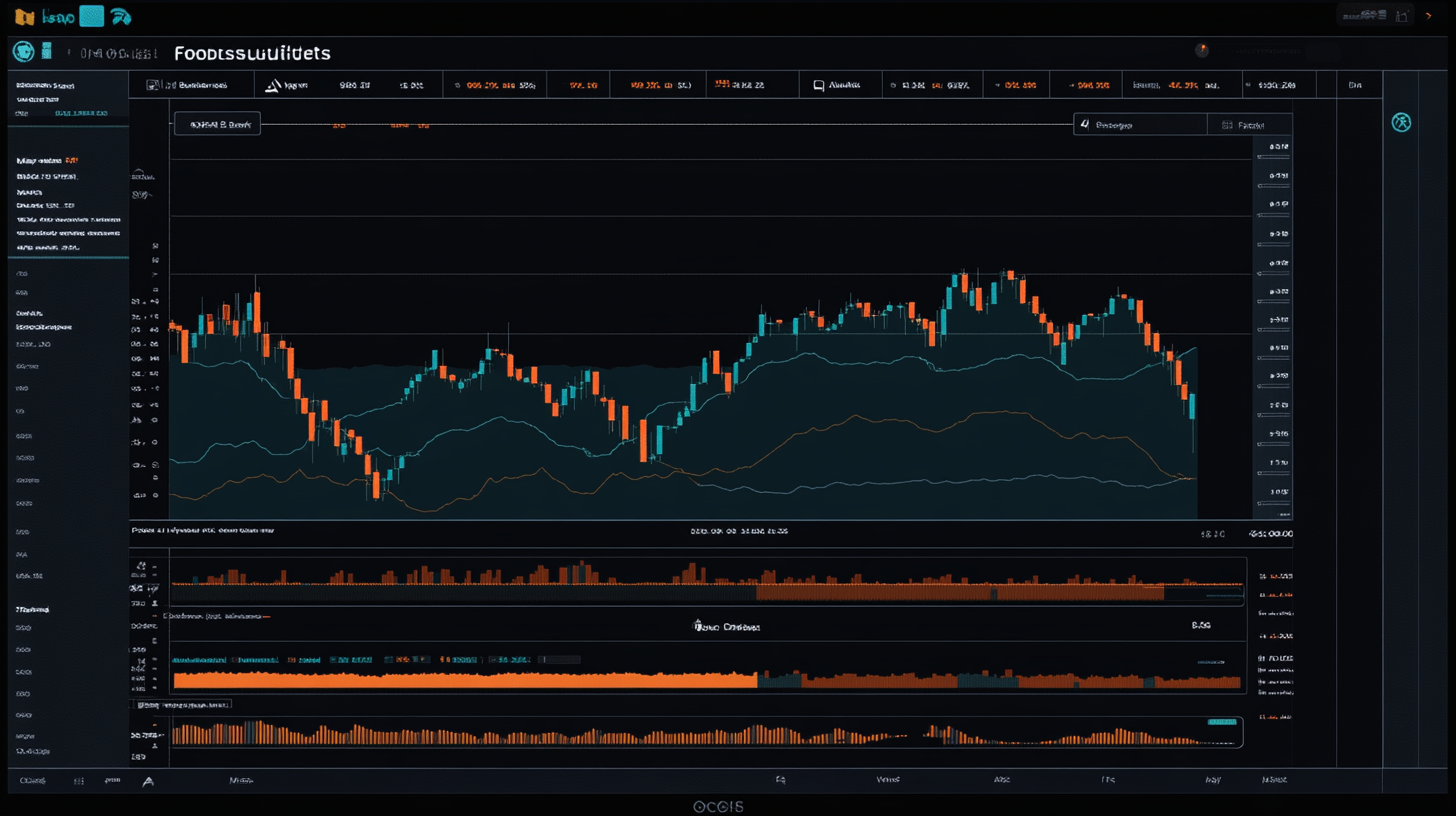
On desktop, the WebTrader is the centre of gravity: the session stayed stable for me through the London morning, with quotes updating cleanly and no “platform freeze” moments when I flipped between watchlists. Order tickets supported market and pending orders, plus stop-loss and take-profit settings; the absence of a confirmed MT4/MT5 offering means you’re giving up the broader indicator/EA marketplace, so system traders should treat that as a genuine constraint rather than a footnote.
Vaultoxia App: Mobile Trading Experience
The Vaultoxia app is designed for position management first—prices stream reliably, and I could place, modify and close trades without hunting through menus. Vaultoxia login on my handset offered biometric sign-in, and deposits/withdrawals were accessible from the same navigation tab as account settings. Push notifications for order fills and margin alerts were useful, though heavy chart work on a small screen still feels like a compromise compared with a full desktop layout.
Charting, Tools & Research
Charting is perfectly serviceable: multiple timeframes, a familiar indicator set (MA, RSI, MACD, Bollinger), and drawing tools for basic technical work. The provider also includes an economic calendar and a short news feed—good for staying aware of the next central-bank headline, less good for deep macro research. If you’re accustomed to cTrader/MT5 analytics, this is a simpler environment with a lower ceiling.
Vaultoxia Account Opening & Minimum Deposit
My onboarding started with a standard registration screen (email, password, country, and a short appropriateness questionnaire), followed by identity checks before I could withdraw. KYC required a government-issued photo ID and a recent proof of address (I used a bank statement dated within three months), and verification landed later the same business day. For traders searching “Vaultoxia minimum deposit”, the practical entry point I saw was $200, with the platform nudging you to pick an account currency before funding.
- Minimum Deposit: $200
- Funding Methods: Visa/Mastercard, bank wire, regional e-wallets, and crypto deposits (BTC, USDT)
- Demo Account: $10,000 virtual balance, useful for testing spreads and margin behaviour
- Account Types: Standard (spread-only) and Raw/ECN-style (tighter spreads + $7 round-turn commission)
Funding via card posted to my balance quickly, and the platform issued an on-screen confirmation along with an email receipt. One practical note: if you plan to withdraw back to a card, keep the names aligned—payment compliance rules are strict, and mismatches can slow the Vaultoxia withdrawal queue.
Vaultoxia Customer Support Review
Support was tested on two fronts: I used live chat to ask how swap/overnight fees are displayed for indices, then followed up by email to confirm the internal withdrawal processing window after KYC. Chat picked up in roughly three minutes and pointed me to the instrument’s “contract details” panel where financing is shown per lot. The email reply arrived the same day (around eight hours later) and reiterated that withdrawals are reviewed after identity checks are complete.
Coverage is broadly 24/5, which matches the needs of FX and index traders but leaves weekends thinner—relevant if you trade crypto CFDs. Language options depend on the agent roster, and I wouldn’t assume phone dealing support unless it’s explicitly offered for your region. Relative to peers in this segment, the helpdesk is competent, but it’s not a substitute for robust self-service documentation.
Ready to Explore Vaultoxia?
If you’re considering an account, start by checking whether your country is accepted and whether the Standard or Raw tier best matches your trade frequency. A demo run is the quickest way to gauge spreads during the London–New York overlap and to see how margin calls are handled.
Vaultoxia Review FAQ
Is Vaultoxia good for beginners?
It can be, provided you keep position sizing small and treat leverage with respect. The WebTrader and app are not overly complex, and the $10,000 demo helps you learn order placement and margin impact. Beginners should still note the offshore setup and the limited depth of education versus top-tier brokers.
Can I trade crypto on Vaultoxia?
Yes, crypto CFDs are available, including BTC and ETH alongside a few large-cap alternatives. You’re trading price exposure via CFDs rather than holding coins on-chain, so there’s no wallet withdrawal. If you hold positions over the weekend, factor in financing and potential spread widening.
Is Vaultoxia a scam?
No, it did not present as a scam in my testing, and I was able to complete a deposit, place trades, and receive a withdrawal. The caution is regulatory: it operates under an offshore model (Seychelles FSA registration), so protections and complaint pathways are not the same as with FCA-regulated firms. As always with CFDs, the bigger day-to-day risk is trading losses amplified by leverage.
Is Vaultoxia available in the USA?
No, the platform restricts USA residents, and accounts are not offered there. In practice, geolocation checks and KYC residency documents are used to enforce this. If you’re a dual resident, expect additional verification.
How long does a Vaultoxia withdrawal take?
Most withdrawals are reviewed internally within 24–48 hours once KYC is approved. After that, receipt time depends on the method: cards typically take 2–5 business days, bank wires 3–7 business days, and crypto transfers are often completed the same day. Delays are more common when documents need rechecking or payment details don’t match.
What is the Vaultoxia minimum deposit?
The Vaultoxia minimum deposit is $200 for the account setup I used. That’s enough to open positions, but it can be tight if you’re trading volatile instruments with 1:500 leverage. Many traders will treat $200 as a test balance rather than a long-term operating size.
Does Vaultoxia have a mobile app?
Yes, there are iOS and Android apps alongside the browser-based WebTrader. The mobile build supports deposits, withdrawals, and common order types, and it’s geared toward monitoring and managing open risk. For intensive chart analysis, desktop still feels more comfortable.
Final Verdict: Should You Use Vaultoxia in 2026?
Overall Score: 4.0/5
The decisive question with Vaultoxia is whether you value flexible leverage and a clean multi-asset CFD menu more than the comfort blanket of a Tier‑1 rulebook. My experience—card funding, execution around the London session, and a processed withdrawal after KYC—was operationally sound, with the Raw/ECN tier offering credible pricing for frequent FX traders. Still, offshore regulation means you should keep expectations realistic on formal recourse, and treat “segregated funds” language as helpful but not a guarantee. CFDs are high-risk products; used carelessly, leverage will do the damage far faster than a slightly wider spread. For traders who understand those boundaries, Vaultoxia is a plausible 2026 option.
Best for: active FX/index traders who want a simple WebTrader + mobile setup and can manage leverage discipline. Avoid if: you require FCA/ASIC-style protections, rely on MT4/MT5 automation, or prefer long-term investing over CFD trading.