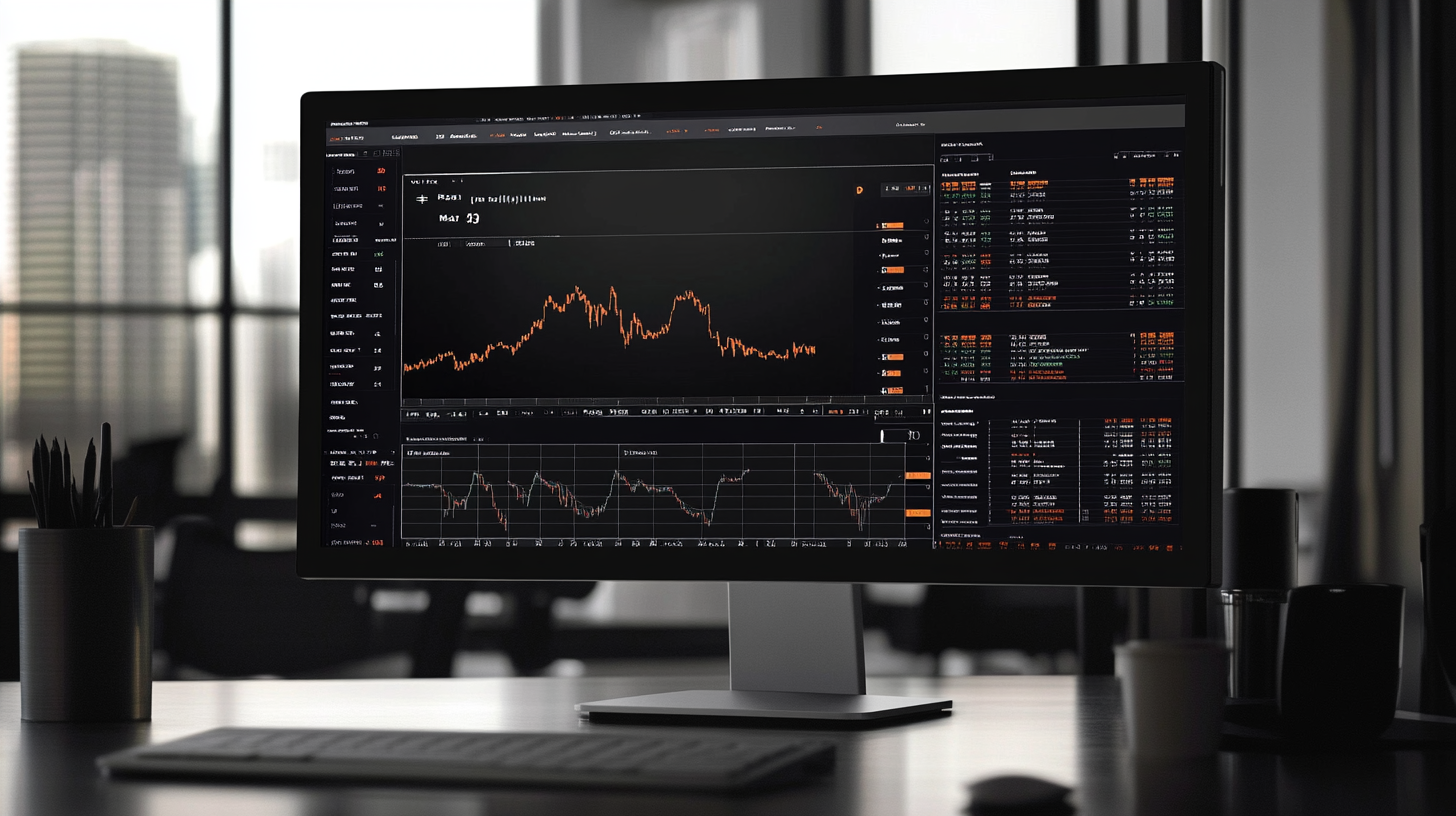
Valtorencapital Trading Platform Alternatives 2026: Reliable Options for Online Traders
Every rate-cut rumour and CPI surprise eventually finds its way into spreads, margin requirements, and execution quality. That’s the real-world context in which many retail traders assess offshore CFD brands—particularly when volatility rises and the gap between “headline leverage” and “real risk” becomes painfully clear. Valtorencapital appears to sit in that offshore category, typically offering forex and CFDs (often including crypto CFDs) via a proprietary WebTrader and mobile app, with account terms that look familiar for this segment: a minimum deposit around $250, maximum leverage commonly marketed near 1:500, and EUR/USD spreads often observed around 2.0 pips on a standard-style account.
Those numbers are not automatically “good” or “bad”; they simply tell you what you’re paying and what you’re exposed to. The harder questions involve oversight, client-money handling, and how disputes are resolved when something goes wrong. In practice, traders who want clearer protections—segregated client funds, robust complaints processes, and compensation schemes where applicable—start exploring Valtorencapital alternatives that sit under FCA, ASIC, CySEC, or NFA/CFTC umbrellas. This 2026 guide is written for a global audience with a US/EU tilt, and it focuses on pragmatic comparisons: platform stack, execution model, instruments, and the full cost of a round-turn trade (spread plus any commission), not just marketing headlines. For reference, you can review the brand directly here: Valtorencapital.
Disclaimer: This article is for informational purposes only and does not constitute investment advice. Trading CFDs and other leveraged products involves a high risk of loss and may not be suitable for all investors.
Key Takeaways (TL;DR)
- If you need real stocks/ETFs (not CFDs), a multi-asset venue like IBKR or Saxo is usually a better fit than offshore CFD-only platforms.
- Compare costs using round-turn trade economics (spread + commission + likely slippage), not maximum leverage—especially during major macro events.
- Do KYC at the new broker first, then withdraw using the same funding rails you used to deposit; AML rules often make “mixed” payment methods slower.
What Is Valtorencapital and How Does Its Trading Platform Work?
In broad terms, Valtorencapital presents as an offshore, CFD-first trading venue geared toward retail accounts rather than institutional flow. Public-facing terms in this category typically include high advertised leverage (often up to 1:500), a comparatively low entry point (commonly around a $250 minimum deposit), and a menu centred on forex pairs and CFD indices/commodities—sometimes with crypto CFDs alongside. The operational feel is usually closer to a dealing-desk/market-maker setup than to direct market access (DMA), which matters because execution and slippage behaviour can diverge from what traders expect when volatility spikes. For traders comparing platforms like Valtorencapital, the key issue is less “can I place a trade?” and more “under what rulebook does this broker operate when things become contentious?”
Valtorencapital Web Trading Platform: Core Features and Tools
The platform stack is typically a proprietary WebTrader with a companion iOS/Android app. Functionality is often sufficient for discretionary trading: watchlists, one-click dealing, basic alerts, and charting with a standard set of indicators and drawing tools. Where these platforms can feel thin is in workflow: fewer order types than pro terminals (for example, less granular conditional orders), limited depth-of-market views, and fewer options for exporting analytics. Mobile parity is usually decent for monitoring and simple execution, but advanced trade management—partial closes, bracket orders, and detailed reporting—can be less refined than MT5/cTrader-style ecosystems.
Trading Fees, Spreads, and Account Types at Valtorencapital
Cost structures in this offshore CFD segment typically revolve around a spread-based “Standard” tier (often showing EUR/USD around 2.0 pips) and, sometimes, a tighter-spread account paired with a commission model. If a raw/ECN-style tier exists, traders often see near-zero headline spreads in calm markets with a round-turn commission in the approximate $5–$8 range per standard lot. Beyond the spread, the quiet cost is swap/overnight financing—material for position traders holding through central bank meetings. Some traders also report friction points around withdrawals or account dormancy policies in this category, so fees should be read as a full schedule, not just a spread banner.
When Do Traders Start Looking for Valtorencapital Alternatives?
Regime shifts—higher-for-longer rates, commodity shocks, sudden risk-off episodes—tend to expose the weak links in a broker relationship. That’s why the search for Valtorencapital alternatives often begins with practical pain rather than theory: inconsistent fills around news, unclear protections, or a platform that can’t support your process. If you’re trading leveraged CFDs, execution and cash management are part of the strategy; a poor operational setup can be as damaging as a bad entry. The goal is not to find “perfect” conditions, but to land on a framework you can stress-test: transparent rules, credible oversight, and a platform stack that matches your trading style.
- You want FCA/ASIC/CySEC/NFA-grade supervision and clearer client-money rules, rather than an offshore framework with limited recourse.
- You need MT4/MT5 or cTrader to run an Expert Advisor, build systematic rules, or use advanced order management.
- Your strategy is sensitive to slippage (news trading, scalping), and you’re seeing a persistent gap between expected and filled prices.
- You’re planning to hold positions over multiple weeks and want more transparent swap/rollover terms and reporting.
How to Choose a Reliable Alternative to the Valtorencapital Trading Platform
I treat broker selection like a risk-budget exercise: first decide what you must not lose (legal protections, cash access), then decide what you’d like to optimise (spreads, tools, markets). For alternatives to the Valtorencapital trading platform, that ordering matters because “cheap trading” is irrelevant if you can’t confidently enforce your rights or withdraw smoothly.
Regulation, Safety, and Investor Protection
Start with the regulator’s public register—FCA in the UK, ASIC in Australia, CySEC in Cyprus, and NFA/CFTC in the US. These regimes typically require segregated client funds and set conduct standards that can be enforced. Where relevant, compensation frameworks also matter: the UK’s FSCS can cover up to £85,000 in certain scenarios for FCA-regulated firms, while Cyprus’ ICF is commonly cited up to €20,000. None of this removes trading risk; it changes the legal and operational risk you’re taking.
Available Markets and Instruments
Be precise about what you’re actually trading. Many offshore CFD venues focus on FX, indices, commodities, and crypto CFDs, while multi-asset brokers may offer real stocks/ETFs alongside CFDs, options, and futures. If you want portfolio-style exposure—say, US Treasuries during a risk-off cycle or equity ETFs during easing—CFD-only access can be a poor substitute. Brokers similar to Valtorencapital may be “fine” for short-term FX/CFD trading, but they won’t necessarily support broader market work.
Trading Costs: Spreads, Commissions, and Other Fees
Ignore the temptation to compare brokers using only “from” spreads. The better metric is round-turn cost: the spread you typically see in your trading hours plus any commission, and then the real-world overlay—slippage and requotes if the execution model is stressed. Swap/overnight financing is the second layer; it can eclipse entry costs if you carry positions through policy events. Also scan inactivity and withdrawal fee policies; small frictions compound over a year.
Platforms, Tools, and Execution Quality
Platform choice is not cosmetic; it dictates what’s possible. MT4/MT5 and cTrader support a deeper ecosystem for automation, plug-ins, and analytics, while proprietary WebTraders can be perfectly usable for manual trading but limited for systematic workflows. Execution model matters too: market maker, STP, ECN, and DMA each imply different routing, potential conflicts, and slippage patterns. If you’re coming from Valtorencapital, run a small live test at the new broker during your normal hours and record fill quality—not just spreads.
Support, Education, and Overall User Experience
Operational support is a trading tool in its own right. Check coverage hours (especially if you trade US sessions from Europe), language support, and how quickly tickets are resolved when money movement is involved. Education is useful if it’s specific—platform tutorials, margin mechanics, and risk controls—not generic “market outlook” copy. Finally, ensure the mobile app can do what you need when you’re away from screens: manage stops, view margin, and confirm deposits/withdrawals without ambiguity.
Valtorencapital and Different Asset Classes: When Alternatives May Be Better
Valtorencapital Forex and CFD Trading
On the surface, Valtorencapital’s offer looks familiar for offshore CFDs: roughly 30–50 FX pairs, a handful of indices and commodities, and leverage marketed up to about 1:500 with a standard EUR/USD spread often around 2.0 pips. The question for 2026 is whether that package suits your risk control. For active FX traders, the more meaningful differentiator is execution consistency—how spreads behave during data releases, and whether slippage is symmetrical. FX/CFD specialists like Pepperstone or OANDA tend to be stronger on platform choice (MT4/MT5/cTrader or robust proprietary tooling), reporting, and regulated operating standards. If your edge is small—scalping a few pips at a time—the math is unforgiving: the difference between ~2.0 pips and a tighter all-in cost can decide whether a strategy survives a month of choppy markets.
Valtorencapital Stock and ETF Trading
Stock and ETF exposure is where many offshore CFD brands reveal their limits. Even when “stocks” appear on the menu, it is often equity CFDs rather than ownership of the underlying shares—no voting rights, no direct participation in corporate actions in the way a cash equity account provides, and different financing dynamics. Traders who want genuine portfolio construction typically migrate to multi-asset venues such as Interactive Brokers or Saxo, where access to real equities/ETFs (and, in many cases, options and futures) is part of the core proposition. This is one of the cleanest differentiators among Valtorencapital alternatives: do you want a trading-only wrapper, or a broader investment-grade account structure with multiple asset classes under one regulated roof?
Valtorencapital Crypto Trading
Crypto on offshore platforms is commonly offered as CFDs—price exposure without on-chain ownership. That can be appropriate for short-term speculation, but traders should be clear-eyed about what they are not getting: no withdrawals to a personal wallet, no staking, and a different risk profile driven by leverage, funding costs, and potential platform constraints during fast markets. In regulated environments, crypto access varies by jurisdiction; some brokers provide crypto CFDs rather than spot. IG and Plus500, for example, are known for CFD access (region-dependent) with a compliance framework that is generally more explicit about client classification, risk warnings, and negative balance protection. If crypto is a satellite position within a macro book, regulated options can provide cleaner operational guardrails than a high-leverage offshore setup.
Best Valtorencapital Alternatives for 2026: Comparison of Top Trading Platforms
Interactive Brokers (IBKR): Key Facts and How It Compares to Valtorencapital
Regulation: SEC/FINRA (US), FCA (UK), IIROC (Canada)
Markets: Stocks, ETFs, options, futures, bonds, FX
Fees: FX pricing typically tight with commission-based schedules; equities priced per share/route depending on venue and plan
Platform: Trader Workstation (TWS), IBKR Desktop, web and mobile apps, API access
Best For: Global macro traders who want real multi-asset market access
Pepperstone: Key Facts and How It Compares to Valtorencapital
Regulation: FCA (UK), ASIC (Australia), CySEC (Cyprus), DFSA (Dubai)
Markets: FX and CFDs (indices, commodities; offering varies by entity)
Fees: EUR/USD often ~0.0–0.3 pips on Razor/Raw-style pricing plus commission; standard spread-only accounts typically wider
Platform: MT4, MT5, cTrader, TradingView integration (region-dependent), mobile apps
Best For: Systematic FX traders running MT4/MT5 or cTrader automation
Saxo Bank: Key Facts and How It Compares to Valtorencapital
Regulation: FCA (UK), MAS (Singapore), DFSA (Dubai)
Markets: Stocks, ETFs, bonds, FX, options, futures, CFDs
Fees: Pricing depends on tier; FX spreads commonly competitive for larger accounts; commissions apply on exchange-traded products
Platform: SaxoTraderGO, SaxoTraderPRO
Best For: Portfolio-oriented traders who want research-grade platforms
OANDA: Key Facts and How It Compares to Valtorencapital
Regulation: CFTC/NFA (US), FCA (UK), ASIC (Australia), IIROC (Canada)
Markets: FX (and CFDs in certain non-US jurisdictions)
Fees: Spread-based pricing; typical spreads vary by session and volatility, often competitive in major pairs
Platform: OANDA web/mobile, MT4 (availability varies by region)
Best For: Risk-managed spot FX traders who prioritise regulatory clarity
CMC Markets: Key Facts and How It Compares to Valtorencapital
Regulation: FCA (UK), ASIC (Australia), BaFin (Germany)
Markets: CFDs (FX, indices, commodities, shares CFDs); offering varies by region
Fees: Spread-led pricing; majors often competitive in liquid hours, with costs widening during volatility
Platform: Next Generation platform, mobile app (MT4 available in some regions)
Best For: Active discretionary CFD traders who want strong charting and newsflow
Plus500: Key Facts and How It Compares to Valtorencapital
Regulation: FCA (UK), CySEC (Cyprus), ASIC (Australia), MAS (Singapore)
Markets: CFDs (FX, indices, commodities, shares CFDs, crypto CFDs where permitted)
Fees: Spread-based; typical costs depend on instrument and market conditions, with overnight funding for held positions
Platform: Plus500 proprietary WebTrader and mobile apps
Best For: Beginners who want a simple CFD-only interface with straightforward workflow
Comparison Summary
| Platform | Regulation | Main Markets | Typical Costs | Best For |
|---|---|---|---|---|
| Interactive Brokers (IBKR) | SEC/FINRA, FCA, IIROC | Real stocks/ETFs, options, futures, bonds, FX | Commission schedules; FX typically tight; exchange fees may apply | Global macro traders who want real multi-asset market access |
| Pepperstone | FCA, ASIC, CySEC, DFSA | FX + CFDs (indices/commodities) | Raw: ~0.0–0.3 pips + commission; Standard: spread-only | Systematic FX traders running MT4/MT5 or cTrader automation |
| Saxo Bank | FCA, MAS, DFSA | Stocks/ETFs, options/futures, FX, CFDs | Tiered pricing; commissions on exchanges; FX spreads vary by tier | Portfolio-oriented traders who want research-grade platforms |
| OANDA | CFTC/NFA, FCA, ASIC, IIROC | FX (CFDs outside the US in certain entities) | Spread-based pricing; majors typically competitive in liquid sessions | Risk-managed spot FX traders who prioritise regulatory clarity |
| CMC Markets | FCA, ASIC, BaFin | CFDs across FX/indices/commodities/shares CFDs | Spread-led; costs expand in fast markets; overnight funding applies | Active discretionary CFD traders who want strong charting and newsflow |
| Plus500 | FCA, CySEC, ASIC, MAS | CFDs (incl. crypto CFDs where permitted) | Spread-only model; overnight fees for held positions | Beginners who want a simple CFD-only interface with straightforward workflow |
How to Safely Move from Valtorencapital to Another Broker
Switching brokers is less about “opening a new account” and more about controlling operational risk while you relocate capital. Do it in a sequence that keeps you liquid and documented: verify regulation, complete KYC first, then unwind exposure and withdraw cleanly. Remember: leveraged CFD losses can exceed expectations during gaps, so reduce complexity before you move funds. If you need to reference your existing account while you transition, keep a record of key pages from Valtorencapital and store them securely.
- Confirm the new broker’s authorisation on the regulator’s own website (FCA Register, ASIC Connect, CySEC register, or NFA BASIC) and match the legal entity name—not just the brand.
- Open the new account and complete KYC/AML checks before you initiate any closure steps; expect ID and proof-of-address verification, often within one business day.
- Reduce exposure on the old account by closing open positions rather than assuming they can be transferred; in most retail setups, positions don’t port between brokers.
- Withdraw funds using the same payment method you used to deposit where possible; compliance teams frequently reject third-party routes or mismatched rails.
- Export statements, trade history, and funding records for taxes and dispute resolution; keep timestamped copies offline.
Ready to Explore Valtorencapital?
If you’re still weighing options, compare the onboarding terms, platform tools, and regional eligibility directly before committing capital. Small print changes quickly—especially around leverage caps and crypto CFD availability—so validate the current conditions in your jurisdiction.
FAQ: Valtorencapital Alternatives and Trading Platforms
What is the best alternative to Valtorencapital in 2026?
The best choice depends on whether you need multi-asset investing or primarily FX/CFDs. For real stocks/ETFs and broad market access, Interactive Brokers and Saxo are strong candidates; for FX execution and MT4/MT5/cTrader support, Pepperstone and OANDA are often better aligned. In practice, the “best Valtorencapital alternatives 2026” list narrows quickly once you specify your instruments, platform requirements, and home regulator.
Is Valtorencapital a safe broker/platform?
Valtorencapital appears to operate under an offshore framework rather than under tier-1 regulators like the FCA, ASIC, CySEC, or NFA/CFTC. That doesn’t automatically mean malpractice, but it usually implies fewer formal protections and weaker dispute pathways than regulated firms provide. If safety is your priority, focus your shortlist on regulated options vs Valtorencapital and verify authorisation on the regulator’s register.
Can I trade stocks, futures, or crypto with Valtorencapital?
Valtorencapital is typically positioned around forex and CFDs, and crypto exposure—where offered—is commonly via crypto CFDs rather than on-chain ownership. Access to real stocks/ETFs and exchange-traded futures is often limited in this offshore CFD model; where “stocks” exist, they may be share CFDs. If those instruments matter, competitors to Valtorencapital like IBKR or Saxo are usually the more practical route.
What should I check before switching from Valtorencapital to another platform?
Before switching, confirm the new broker’s legal entity and regulator registration, then complete KYC so withdrawals and deposits don’t stall. Next, compare total trading costs (spread + commission + swap) and test execution with small size during your normal trading session. Finally, download your statements from Valtorencapital and keep them for tax and audit purposes; that housekeeping step is routinely overlooked.
About the Author: James Sterling is a London-based strategist with 20 years of market experience and an MSc in Economics from the London School of Economics. His work focuses on central bank policy, cross-asset risk, and the practical mechanics that sit between a trading idea and real execution.