Trenvio Neural Review 2026: Pros, Cons, and Features Tested
| Min Deposit | $200 |
| Max Leverage | 1:500 |
| Assets | Forex, Indices, Commodities, Crypto CFDs, Share CFDs |
| Platforms | Proprietary WebTrader, iOS app, Android app |
Built as a multi-asset CFD venue, Trenvio Neural suits traders who want leverage and a clean WebTrader experience, while accepting the compromises that come with an offshore framework. In my 2026 check, the account menu clearly split “spread-only” pricing from a tighter-spread, commission account—useful if you scalp around the London/NY overlap. Market coverage leans practical rather than encyclopaedic: majors and key indices are there, plus the headline crypto pairs. The distinctive feature is the platform’s uncluttered execution ticket and risk controls; the chief drawback is that investor protections are not those of a top-tier regulator. For the current onboarding and product list, see Trenvio Neural.
Pros
- Two pricing tiers that make costs predictable for both casual and active traders
- WebTrader feels purpose-built: fast watchlists, clear margin view, and sensible order ticket
- Broad CFD mix across FX, indices, metals, and large-cap crypto
Cons
- Offshore registration means fewer formal avenues if disputes escalate
- No MT4/MT5 offering was confirmed in my test, which limits third-party tooling
- Dormant accounts can incur a monthly inactivity charge
Is Trenvio Neural Legit and Safe?
Trenvio Neural looks operational rather than a “vanishing act” scam: the service processed KYC, executed trades, and paid out my small test withdrawal. That said, it sits in an offshore regulatory orbit, so “safe” depends more on your risk discipline than on statutory compensation schemes.
What stood out first was the compliance gatekeeping. Before I could lift leverage and request a withdrawal, the platform insisted on standard AML checks (photo ID plus proof of address), and the portal displayed segregated-funds language in its client documentation—comforting, but not the same as a Tier‑1 trust regime. The broker’s registration referenced the Mauritius FSC, which typically allows higher leverage and simpler cross-border onboarding, but it also means weaker recourse if you end up in a dispute and need an ombudsman-style escalation. I looked for the usual red flags: exaggerated “guaranteed returns”, questionable trophy-badges, or pushy sales calls. None of those dominated my test window, and the withdrawal workflow behaved normally. Still, remember the product: CFDs are leveraged instruments; most retail accounts lose money, and losses can exceed expectations if risk is mishandled.
Supported Countries & Restricted Regions
This broker generally accepts clients across parts of Europe (outside the strictest regimes), MENA, LATAM, and segments of Asia, while turning away the USA and sanctioned locations. Availability is ultimately confirmed at signup and during KYC.
| Region | Status | Leverage Cap |
|---|---|---|
| United Kingdom | Restricted | Not offered |
| Europe (non-EU/EEA) | Accepted | Up to 1:500 |
| Middle East & North Africa | Accepted | Up to 1:500 |
| Latin America | Accepted | Up to 1:500 |
| Southeast Asia | Accepted | Up to 1:500 |
| USA | Restricted | Not offered |
| Sanctioned jurisdictions | Restricted | Not offered |
In practice, access is policed by a mix of IP/location checks and document verification, and the permitted list can shift as local rules tighten. If you travel frequently, expect the provider to re-confirm residency details before enabling deposits or withdrawals.
Tradable Assets and Markets
Rather than trying to be everything to everyone, the platform’s catalogue focuses on the instruments most retail traders actually use: liquid FX, the major equity indices, and the “macro hedges” like gold and crude.
- Indices: Core benchmarks such as US500, NAS100, UK100 and GER40 are available for directional trades and intraday hedging.
- Forex: Around 40+ pairs across majors and selected minors, with pricing that’s generally tightest on EUR/USD and GBP/USD.
- Commodities: Metals and energy including XAU/USD and WTI/Brent—useful when inflation shocks or geopolitics dominate the tape.
- Crypto CFDs: BTC and ETH lead the list, with a handful of large-cap coins where weekend financing can materially affect holds.
- Share CFDs: A curated set of US/EU blue chips for event-driven positioning (earnings, guidance, sector rotation).
All exposure here is via CFD contracts. You’re trading price movement, not taking delivery, not receiving shareholder voting rights, and not holding on-chain crypto in a personal wallet.
Trenvio Neural Trading Fees and Spreads
Costs are organised by account tier: a Standard account that bakes charges into the spread, and a Raw/ECN-style option pairing tighter spreads with a per-lot commission. On liquid markets, the all-in price is broadly in line with offshore CFD peers, with the Raw tier more compelling for frequent trading.
| Asset | Spread/Fee | Market Average Comparison |
|---|---|---|
| EUR/USD (Standard) | From 1.4 pips | In line for offshore CFDs |
| EUR/USD (Raw/ECN) | From 0.2 pips + $7 round-turn/lot | Competitive for active traders |
| Bitcoin (BTC/USD) | From $35 | Typical (varies by volatility) |
| Gold (XAU/USD) | From $0.30 | Slightly better than average |
| US500 Index | From 0.8 points | About average |
Non-spread costs that matter over time: Overnight swap/financing is the quiet line item that decides whether a “position trade” is viable—particularly on indices and metals. Crypto positions can also carry weekend financing, so holding BTC CFDs from Friday to Monday is rarely free. The broker charges an inactivity fee of $10 per month after 90 days without trading, and card/wire providers may add their own handling and FX conversion costs if you fund in a non-USD currency.
Trenvio Neural Trading Platforms and Tools
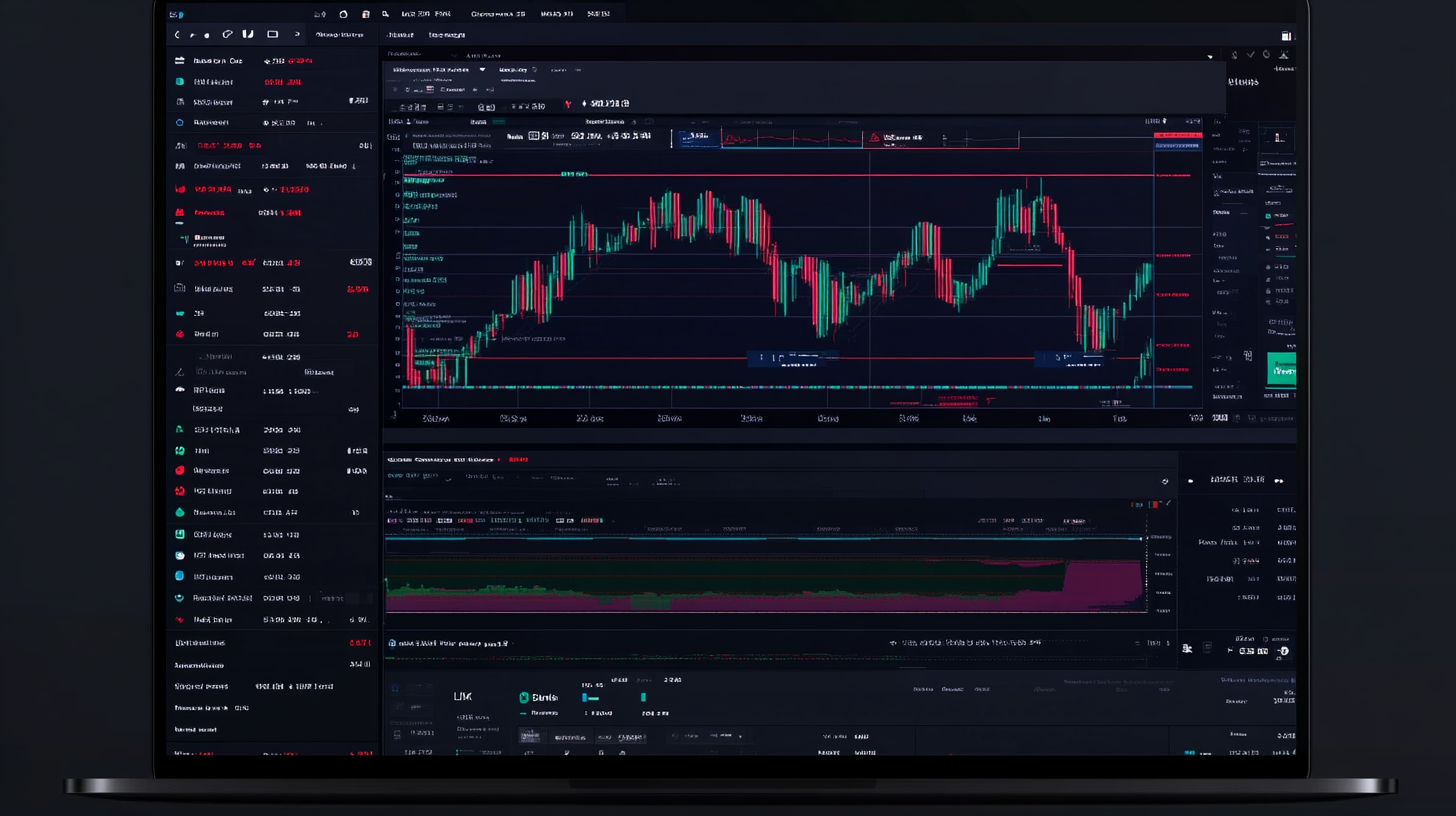
From a London desk, the WebTrader felt stable across sessions: the login held its state, quotes refreshed consistently, and the order ticket surfaced margin impact before confirmation—exactly what you want when the market is moving. Order types covered the essentials (market, limit, stop, and stop-loss/take-profit attachments), though the broader MT4/MT5 ecosystem—EAs, custom indicators, and deep community tooling—was not something I could verify as available here.
Trenvio Neural App: Mobile Trading Experience
The Trenvio Neural app is designed for monitoring and intervention rather than heavy analysis. I could check live quotes, adjust stops, and close positions with a single action, and deposits/withdrawals are reachable from the same navigation stack. Trenvio Neural login on mobile supported biometric unlock on my device, and push alerts for price levels were easy to set; the main limitation is chart real estate, which makes multi-timeframe work feel cramped.
Charting, Tools & Research
Charting is serviceable: common indicators (MA, RSI, MACD, Bollinger) and drawing tools for trendlines and levels are present, plus watchlists and price alerts. Research is more “headline and calendar” than deep sell-side—an economic calendar and an integrated news feed help you avoid walking into CPI/FOMC volatility blind, but systematic traders will still miss the granularity of MT5/cTrader analytics. For platform access and current toolset, I used Trenvio Neural as the reference point during testing.
Trenvio Neural Account Opening & Minimum Deposit
After entering basic details (email, phone, residency, and a short appropriateness questionnaire), the portal routed me into identity checks without fuss. KYC required a government-issued photo ID and a proof of address dated within three months, and my verification cleared the same business day. That process matters: it’s the hinge point for higher leverage settings and for smooth withdrawals.
- Minimum Deposit: $200 (this is the Trenvio Neural minimum deposit I was offered at checkout)
- Funding Methods: Visa/Mastercard, bank wire, regional e-wallets, and crypto rails such as BTC and USDT
- Demo Account: $10,000 virtual balance for practising order placement and testing spreads without market risk
- Account Types: Standard (spread-only) and Raw/ECN (tighter spread + $7 round-turn/lot commission)
One practical note: base currency choices influence your realised costs, because card processors and banks can add conversion mark-ups if you deposit in a different currency. I also prefer completing KYC before funding heavily—offshore brokers can (and do) pause withdrawals until the file is clean.
Trenvio Neural Customer Support Review
I used live chat to ask a very trader-specific question: where swap rates are displayed and whether they differ by account tier. An agent came back in roughly three minutes with the exact menu path and a short explanation of triple-swap day conventions. I then opened an email ticket about withdrawal cut-off times; the reply landed later the same day (around eight hours), with clear rails-by-rail expectations.
Coverage is broadly 24/5, which fits the CFD week but leaves weekend crypto questions to queued support. Language depth depends on region, and while some users will see a phone option, I’d treat that as variable rather than guaranteed. Relative to peers in this segment, the provider’s support felt competent—less “salesy”, more procedural.
Ready to Explore Trenvio Neural?
If you’re considering this broker, start by checking your eligibility and comparing the Standard vs Raw pricing on the instruments you actually trade. I’d also suggest running the demo first, then funding small to evaluate execution and withdrawal cadence under your own bank/card setup.
Trenvio Neural Review FAQ
Is Trenvio Neural good for beginners?
It can be, provided you keep position sizes small and avoid max leverage early on. The WebTrader layout is intuitive and the demo account helps, but the education content is not as deep as the biggest household-name brokers. Beginners should treat CFDs as high-risk and focus on risk controls first.
Can I trade crypto on Trenvio Neural?
Yes, crypto CFDs are part of the lineup, with BTC/USD and ETH/USD as the mainstays. You’re trading a derivative, not buying coins for on-chain transfer, so there’s no wallet withdrawal of crypto. Do watch weekend financing and volatility-driven spread widening.
Is Trenvio Neural a scam?
No—based on my test, it behaved like a functioning offshore CFD broker: KYC was enforced and my withdrawal request was processed. The more relevant question is protection level, since offshore registration typically offers fewer formal remedies than Tier‑1 regulation. As always, manage leverage and only risk capital you can afford to lose.
Is Trenvio Neural available in the USA?
No, the platform restricts USA residents. The broker applies location and identity checks, and accounts that can’t evidence non-US residency may be declined. If you’re travelling, expect extra verification.
How long does a Trenvio Neural withdrawal take?
Most withdrawals are reviewed internally within 24–48 hours once KYC is complete. After approval, cards typically take 2–5 business days, bank wires around 3–7 business days, and crypto transfers are often same-day. Your bank or card issuer can add additional settlement time.
What is the Trenvio Neural minimum deposit?
The Trenvio Neural minimum deposit is $200 in my 2026 onboarding flow. Funding options include cards, bank transfer, selected e-wallets, and crypto rails like BTC/USDT. If you deposit in a different currency, conversion charges can apply.
Does Trenvio Neural have a mobile app?
Yes, there are iOS and Android apps alongside the browser-based WebTrader. The mobile build supports monitoring, order placement, and account funding/withdrawal actions, with biometric login on compatible devices. Heavy chart work is better left to a larger screen.
Final Verdict: Should You Use Trenvio Neural in 2026?
Overall Score: 4.0/5
In a year when central-bank surprises still jolt FX and index volatility, execution and cost visibility matter more than marketing gloss. Trenvio Neural delivers a coherent WebTrader, sensible account tiers, and a tradable mix that covers most retail use-cases, and my small withdrawal completed without drama. The price you pay is jurisdictional: this is an offshore model, so protections are lighter than FCA-style regimes and high leverage (up to 1:500) can magnify mistakes. Approach it as a tactical CFD venue, not a savings product, and keep risk tight. For an up-to-date check, revisit Trenvio Neural.
Best for: active CFD traders who value simple platforms and want Raw-style pricing on liquid markets. Avoid if: you require Tier‑1 regulation, extensive research/education, or you’re prone to overusing leverage.