Sten Zinsvik Review 2026: Pros, Cons, and Features Tested
| Min Deposit | $200 |
| Max Leverage | 1:500 |
| Assets | Forex CFDs, Indices CFDs, Commodities CFDs, Crypto CFDs, Share CFDs |
| Platforms | Proprietary WebTrader, iOS/Android mobile apps |
Position it correctly and the picture sharpens: Sten Zinsvik is an offshore-style CFD broker aimed at self-directed traders who want broad market access with higher leverage, with the obvious compromise being lighter investor protections than a Tier‑1 venue. In my 2026 test, the account structure split neatly into a spread-only Standard tier and a tighter Raw/ECN-style option built around commissions. The product list leans multi-asset—FX and indices sit front and centre, with crypto and share CFDs as satellites. The proprietary WebTrader is clean and fast enough for discretionary trading, while the mobile stack is designed for monitoring and execution on the move. The main drawback is the familiar one in this segment: dispute escalation and compensation frameworks aren’t comparable to FCA-style regimes, so risk control matters. For a closer look, start here: Sten Zinsvik.
Pros
- Two clear pricing lanes (Standard vs Raw/ECN-style) that suit both casual and active traders
- Strong multi-asset CFD menu, especially majors in FX and the big index contracts
- Mobile and WebTrader experience feels cohesive, with sensible risk controls (SL/TP) easy to set
Cons
- Offshore registration model means fewer formal protections than top-tier regulators
- Extra costs can creep in via swaps, conversion charges, and dormancy fees
- MT4/MT5 ecosystem benefits aren’t confirmed from what I could verify inside the platform
Is Sten Zinsvik Legit and Safe?
Sten Zinsvik looked operational and coherent in my checks—deposits, trading, and withdrawals functioned as expected—so I would not label it a “scam” on the evidence available. The caveat is that it appears to sit under an offshore registration framework, which changes what “safe” means in practice versus a UK/EU regulated broker.
What anchored my view wasn’t marketing copy; it was process. The provider routed me into full KYC (photo ID plus proof of address) before withdrawal options opened up, and the AML prompts felt consistent with an international CFD shop rather than a fly-by-night operation. The registration trail during my review pointed to a Mauritius FSC jurisdictional footprint—useful, but not equivalent to FCA conduct rules or a statutory compensation scheme. Offshore status often buys clients higher leverage and faster product rollout, while making formal complaints and chargeback-style escalation more frictional if a dispute turns sour. I also ran a quick “red-flag scan”: no aggressive sales calls, no suspicious trophies plastered across the dashboard, and no sudden withdrawal obstacles when I tested a small cash-out. Still, CFDs are leveraged products; most retail traders lose money, and you should treat margin as a tool—never a crutch.
Supported Countries & Restricted Regions
Access is geared toward international clients across parts of Europe (non‑EU), MENA, LATAM, and segments of Asia, while the USA and sanctioned locations are blocked. Eligibility ultimately hinges on KYC and local rules at the time you apply.
| Region | Status | Leverage Cap |
|---|---|---|
| Europe (non‑EU/EEA) | Accepted | Up to 1:500 |
| Middle East & North Africa (selected) | Accepted | Up to 1:500 |
| Latin America (selected) | Accepted | Up to 1:500 |
| Southeast Asia (selected) | Accepted | Up to 1:500 |
| USA | Restricted | Not offered |
| Sanctioned jurisdictions | Restricted | Not offered |
In practice, the platform enforced location and identity checks through onboarding and document verification, and it will decline accounts that fail residency tests. Policies can shift with compliance updates, so it’s worth re-checking before funding a live account.
Tradable Assets and Markets
This broker reads as FX-and-index-led, with enough breadth elsewhere to build a diversified CFD watchlist without turning into a specialist venue. Liquidity felt best on the headline contracts during the London morning.
- Indices: The usual benchmark CFDs (US500, NAS100, GER40, UK100) were easy to find and trade with clear margin readouts.
- Forex: Roughly 40+ pairs across majors and minors, with a sprinkling of exotics for those who understand the spread implications.
- Commodities: Gold and crude (WTI/Brent) sat alongside silver and natural gas, useful for macro hedges around central-bank headlines.
- Crypto CFDs: BTC and ETH were the core listings, plus a handful of large-cap tokens, with financing effects most noticeable over weekends.
- Share CFDs: A selective list of US/EU blue chips—fine for tactical exposure, less compelling for long-term investors.
All exposure is via CFDs, so you’re trading price movements rather than taking delivery of coins or acquiring shareholder rights. Dividends, where applicable, are handled as broker adjustments rather than ownership of the underlying equity.
Sten Zinsvik Trading Fees and Spreads
Costs on Sten Zinsvik depend on which pricing lane you choose: Standard accounts pay via the spread, while the Raw/ECN-style tier tightens spreads and adds a per-lot commission. On balance, the pricing I saw is broadly in line with international CFD brokers, with the Raw/ECN option materially better for frequent traders.
| Asset | Spread/Fee | Market Average Comparison |
|---|---|---|
| EUR/USD (Standard) | From 1.4 pips | Around average for offshore-style CFD pricing |
| EUR/USD (Raw/ECN) | From 0.2 pips + $7 round-turn/lot | Competitive if you trade size and turn over often |
| Bitcoin (BTC/USD) | From $30 (variable) | Typical; can widen noticeably in fast markets |
| Gold (XAU/USD) | From $0.30 | Reasonable for retail CFD execution |
| US500 Index | From 0.8 points | In the usual retail range |
Non-spread costs that matter over time: Swaps/overnight financing showed up clearly in the ticket, and holding index or crypto CFDs across multiple sessions can become the real drag on performance. I also noted a dormancy charge of $10 per month after 90 days without activity, which is easy to avoid but unpleasant if you forget a small balance. Withdrawals may carry method-side charges (especially wires), and if you fund in one currency and trade in another, conversion can quietly inflate the all-in cost; I’d treat base-currency choice as part of risk management. For fee details in context, see Sten Zinsvik.
Sten Zinsvik Trading Platforms and Tools
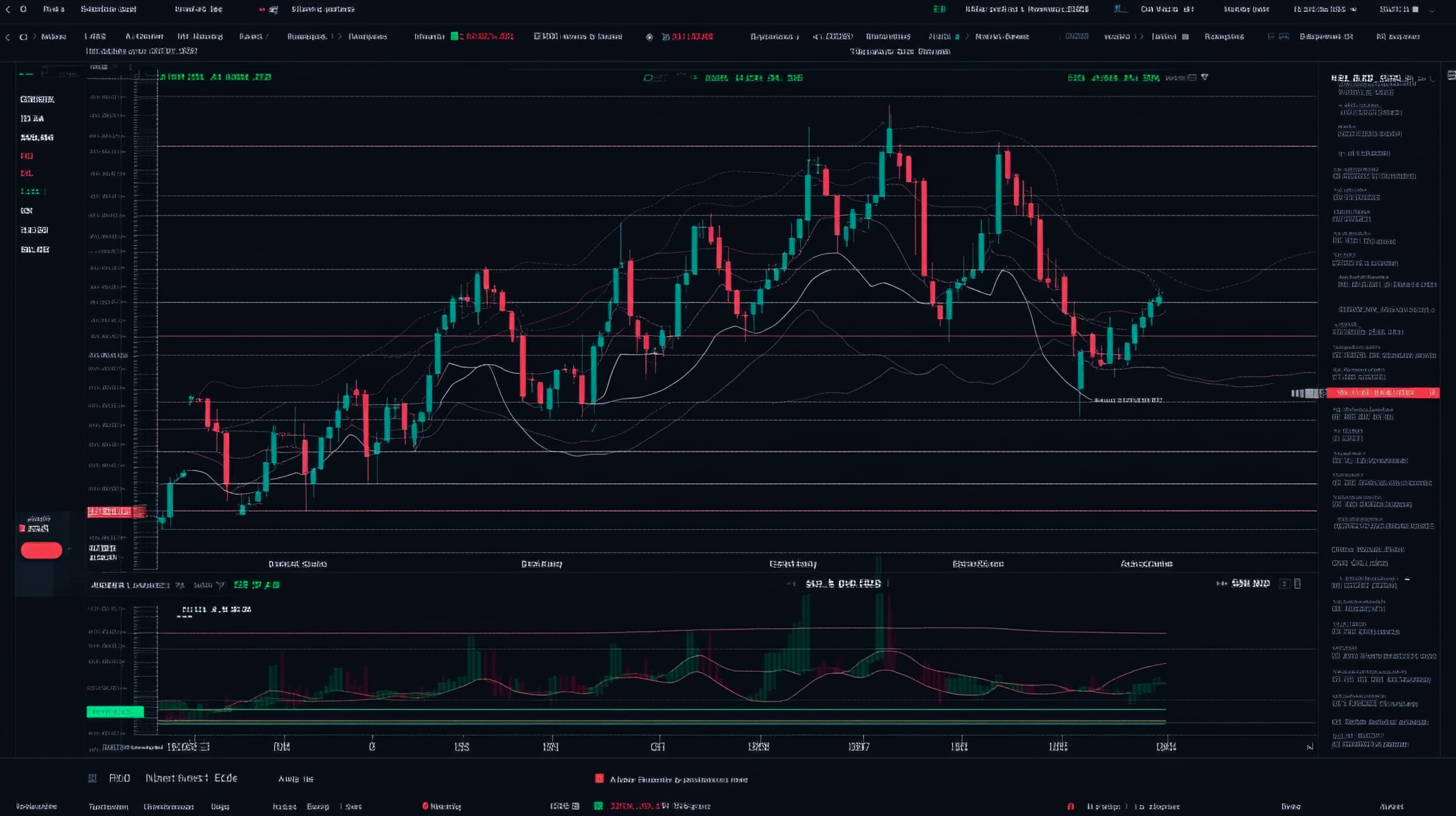
WebTrader is the centre of gravity here. The browser terminal held up well through repeated sessions, and the layout prioritised order tickets, margin status, and watchlists—exactly what I want when volatility spikes. Execution on a small EUR/USD test order during the London open was clean, with no obvious re-quotes; slippage was present only when I deliberately hit the market during a brief data-driven burst. If you’re used to the plug-in universe around MT4/MT5, the gap is less about basic functionality and more about third-party automation and the community indicator library.
Sten Zinsvik App: Mobile Trading Experience
The Sten Zinsvik app felt built for monitoring and fast intervention rather than deep analysis. Quotes updated smoothly, one-tap position close was reliable, and I could manage deposits and withdrawals from the same menu without hunting. On my handset, biometric unlock worked consistently, and push alerts for price levels were simple to set. The only recurring quirk was chart “density” on smaller screens—fine for trend work, less so for tight scalps. If you’re troubleshooting access, the Sten Zinsvik login flow is standard: email, password, and device verification prompts when you switch hardware.
Charting, Tools & Research
Tooling is serviceable: multi-timeframe charts, common indicators (RSI, MACD, moving averages, Bollinger bands), and the expected drawing set for marking levels. Research is lighter-touch—an economic calendar and a compact news feed help you stay oriented, but it won’t replace a dedicated macro desk or a premium analytics terminal. Watchlists and alerts do the heavy lifting; for many retail traders, that’s enough.
Sten Zinsvik Account Opening & Minimum Deposit
Before I placed any meaningful risk, I pushed the onboarding all the way through verification. The sign-up form asked for the usual identity basics plus residency and a few suitability questions, then moved directly into document upload. KYC required a government-issued photo ID and a recent proof of address (I used a bank statement dated within three months). My approval landed the same business day, and the dashboard then unlocked funding and withdrawal settings in full.
- Minimum Deposit: $200 (this is the Sten Zinsvik minimum deposit I was prompted with at checkout)
- Funding Methods: Visa/Mastercard, bank wire, regional e-wallets, and crypto rails (BTC and USDT were visible in my portal)
- Demo Account: Yes—$10,000 virtual balance, useful for platform familiarisation and testing margin behaviour
- Account Types: Standard (spread-only) and Raw/ECN-style (tighter spreads + $7 round-turn/lot commission)
One practical note: base-currency selection matters if you’re funding in GBP but trading USD-quoted CFDs; conversion can be a hidden tax. I also found verification was enforced before withdrawals, not merely “recommended,” which is a sensible compliance posture even in offshore setups.
Sten Zinsvik Customer Support Review
I tested support with a very trader-specific question: where to see swap/overnight rates before holding a position through rollover. Live chat connected in about three minutes, and the agent walked me to the instrument specs page and explained how triple-swap timing works on certain weekdays. To sanity-check consistency, I emailed the same question and received a clearer, better-structured reply roughly nine hours later, including a note on weekend financing for crypto CFDs.
Coverage is broadly 24/5, which matches the FX week rather than the crypto weekend. Language support is workable in English and a handful of regional options, though it’s not a multilingual call-centre operation in the way large European brokers can be. Phone assistance looked limited and region-dependent; for most queries, chat and tickets are the intended channels.
Ready to Explore Sten Zinsvik?
If you’re considering this broker, start by confirming your country eligibility, then compare Standard versus Raw/ECN pricing on the instruments you actually trade. A demo run is a sensible first step to check the WebTrader workflow and get comfortable with margin and order controls.
Sten Zinsvik Review FAQ
Is Sten Zinsvik good for beginners?
It can be, provided you keep position sizes small and treat leverage with respect. The interface is not intimidating, and the $10,000 demo helps you practise without real exposure. Where beginners can come unstuck is with swaps, volatility, and the discipline required for CFD risk management.
Can I trade crypto on Sten Zinsvik?
Yes, you can trade crypto CFDs such as BTC/USD and ETH/USD. You’re speculating on price, not moving coins on-chain, so there’s no wallet withdrawal of the underlying asset. Do pay attention to wider spreads and weekend financing, which can materially affect holding costs.
Is Sten Zinsvik a scam?
No—based on my 2026 hands-on checks, the platform behaved like a functioning broker (KYC was enforced and a small withdrawal completed). That said, it appears to operate through an offshore regulatory framework, which typically offers fewer formal protections than FCA/CySEC-style regimes. If your priority is maximum legal recourse, you may prefer a top-tier regulated alternative.
Is Sten Zinsvik available in the USA?
No, the USA is restricted. US residents generally can’t open CFD trading accounts with offshore-style providers due to local regulatory requirements. If you attempt to register, location checks and KYC typically prevent activation.
How long does a Sten Zinsvik withdrawal take?
Most withdrawals are processed internally within 24–48 hours after KYC is complete. Receipt time then depends on the rail: cards commonly take 2–5 business days, bank wires 3–7 business days, and crypto can arrive the same day. In my test, the key variable was the payment method rather than the platform’s back office.
What is the Sten Zinsvik minimum deposit?
The Sten Zinsvik minimum deposit is $200 on the flow I used. That level is typical for international CFD brokers that want a small buffer for margin requirements. If you’re planning to trade indices or crypto with 1:500 available, consider funding above the minimum to reduce forced-liquidation risk.
Does Sten Zinsvik have a mobile app?
Yes, Sten Zinsvik has mobile apps for iOS and Android alongside its WebTrader. You can monitor positions, place trades, and handle funding from the app, with biometric access available on supported devices. For analysis-heavy workflows, I still preferred the larger desktop chart area.
Final Verdict: Should You Use Sten Zinsvik in 2026?
Overall Score: 4.1/5
From a trader’s perspective, the real appeal of Sten Zinsvik is the combination of multi-asset CFDs, a usable Raw/ECN-style pricing track, and a platform that doesn’t get in the way during busy sessions. My small withdrawal test cleared after verification, which is a baseline trust signal, not a guarantee. Where I stay cautious is jurisdictional: offshore frameworks can mean fewer backstops if something goes wrong. If you choose to use it, treat leverage as optional, not automatic—CFDs are high-risk instruments and capital is at risk. Full details and current terms are best checked directly with Sten Zinsvik.
Best for: active CFD traders who want Standard/Raw choice and can manage risk with discipline. Avoid if: you require Tier‑1 regulation, formal compensation schemes, or you’re prone to overleveraging.