Sévélune Finance Review 2026: Pros, Cons, and Features Tested
| Min Deposit | $200 |
| Max Leverage | 1:500 |
| Assets | Forex CFDs, Index CFDs, Commodity CFDs, Crypto CFDs, Share CFDs |
| Platforms | WebTrader + iOS/Android app |
Built as a multi-asset CFD venue, Sévélune Finance suits traders who want broad market access and punchy leverage, while accepting the lighter investor protections that come with an offshore setup; for a closer look at the interface and pricing I used, see Sévélune Finance. In my 2026 test, the account ladder effectively boils down to a spread-only Standard tier and a tighter-spread Raw/ECN-style tier with commission. The product mix leans practical rather than exotic—majors in FX, the big equity indices, metals, and a handful of large-cap crypto CFDs. The WebTrader is clean and fast enough for discretionary trading; the limitation is a smaller ecosystem than MT4/MT5 power users are used to. The headline drawback is jurisdictional: dispute routes and compensation schemes are not Tier‑1.
Pros
- Two pricing tracks: spread-only or low-spread + commission for active traders
- Solid coverage of core CFDs (FX, indices, metals, crypto) for macro-driven strategies
- Mobile app includes funding and position management without needing a desktop
Cons
- Operates under an offshore registration model, with weaker formal protections than UK/EU brokers
- WebTrader tools are capable, but not as extensible as MT4/MT5 plug-in ecosystems
- Account dormancy can trigger an inactivity charge ($10/month after 90 days)
Is Sévélune Finance Legit and Safe?
From my operational checks and funding/withdrawal tests, the broker behaved like a functioning trading business rather than a “vanishing act” scam. The meaningful caveat is that it sits under offshore supervision (I verified Mauritius FSC registration details inside the legal footer and account area), so client recourse is more limited than with FCA-licensed firms.
What mattered most in practice was process discipline. Identity checks were enforced before I could complete a withdrawal: a passport scan plus a recent utility statement were required, consistent with KYC/AML expectations. I also looked for the usual red flags—aggressive “account manager” pressure, implausible awards, or roadblocks to cashing out—and didn’t encounter them during my test window; communication stayed factual, and pricing terms were documented in-platform. Offshore status, however, is not a footnote: higher leverage (up to 1:500) can be offered, but investor compensation schemes and escalation channels are typically thinner, and dispute handling can be slower across borders. As always with CFDs, leverage cuts both ways—most retail traders lose money, and capital is at risk.
Supported Countries & Restricted Regions
This provider is generally accessible to clients across parts of Europe (non‑EU), MENA, LATAM, and segments of Asia, subject to local rules. The USA and sanctioned jurisdictions are not accepted.
| Region | Status | Leverage Cap |
|---|---|---|
| UK (retail) | Restricted | Not offered |
| Europe (non‑EU/EEA select) | Accepted | Up to 1:500 |
| Middle East & North Africa (select) | Accepted | Up to 1:500 |
| Latin America (select) | Accepted | Up to 1:500 |
| Southeast Asia (select) | Accepted | Up to 1:500 |
| USA | Restricted | Not offered |
| Sanctioned jurisdictions | Restricted | Not offered |
Eligibility is not just a checkbox: IP location, document nationality, and proof-of-address all get screened during onboarding and again at withdrawal. Policies can shift when local regulators tighten rules, so it’s worth re-checking access inside the client portal before funding.
Tradable Assets and Markets
The lineup feels designed for the “global macro” retail trader—enough variety to express views across rates, risk sentiment, and commodities without drowning you in niche products. Liquidity is best on the flagship markets during London and New York hours.
- Indices: The core benchmarks (US500, NAS100, US30, GER40, UK100) are available as CFDs for directional and hedging trades.
- Forex: Roughly 40+ pairs with a clear focus on majors and liquid minors; spreads were tightest around the London open in my checks.
- Commodities: Gold and silver sit alongside energy contracts such as WTI/Brent, which is useful when inflation shocks dominate the tape.
- Crypto CFDs: BTC and ETH lead the list, with a few additional large caps; weekend pricing includes financing effects.
Exposure here is via CFDs, not spot ownership. That means no shareholder voting, no transfer of coins on-chain, and dividends (where applicable) are handled as cash adjustments rather than true equity entitlement.
Sévélune Finance Trading Fees and Spreads
Cost-wise, the cleanest way to think about this broker is “two lanes”: Standard accounts pay through the spread, while the Raw/ECN-style option compresses the spread and adds a per-lot commission. On balance, the pricing I observed sits in the middle of the offshore CFD pack—competitive on majors, less distinctive on crypto.
| Asset | Spread/Fee | Market Average Comparison |
|---|---|---|
| EUR/USD (Standard) | From 1.6 pips | In line |
| EUR/USD (Raw/ECN) | From 0.2 pips + $7 round-turn/lot | Competitive |
| Bitcoin (BTC/USD) | From $35 | Slightly above average |
| Gold (XAU/USD) | From $0.30 | In line |
| US500 Index | From 0.9 points | In line |
Non-spread costs to watch: overnight swap/financing will dominate holding periods beyond a day, particularly on indices and crypto over weekends. The platform also applies an inactivity charge of $10 per month after 90 days without trading, which quietly erodes small balances. Finally, withdrawals can carry third-party banking or network charges depending on method, and funding in a non-USD base currency may trigger conversion costs—worth stress-testing with a small amount via Sévélune Finance before scaling.
Sévélune Finance Trading Platforms and Tools
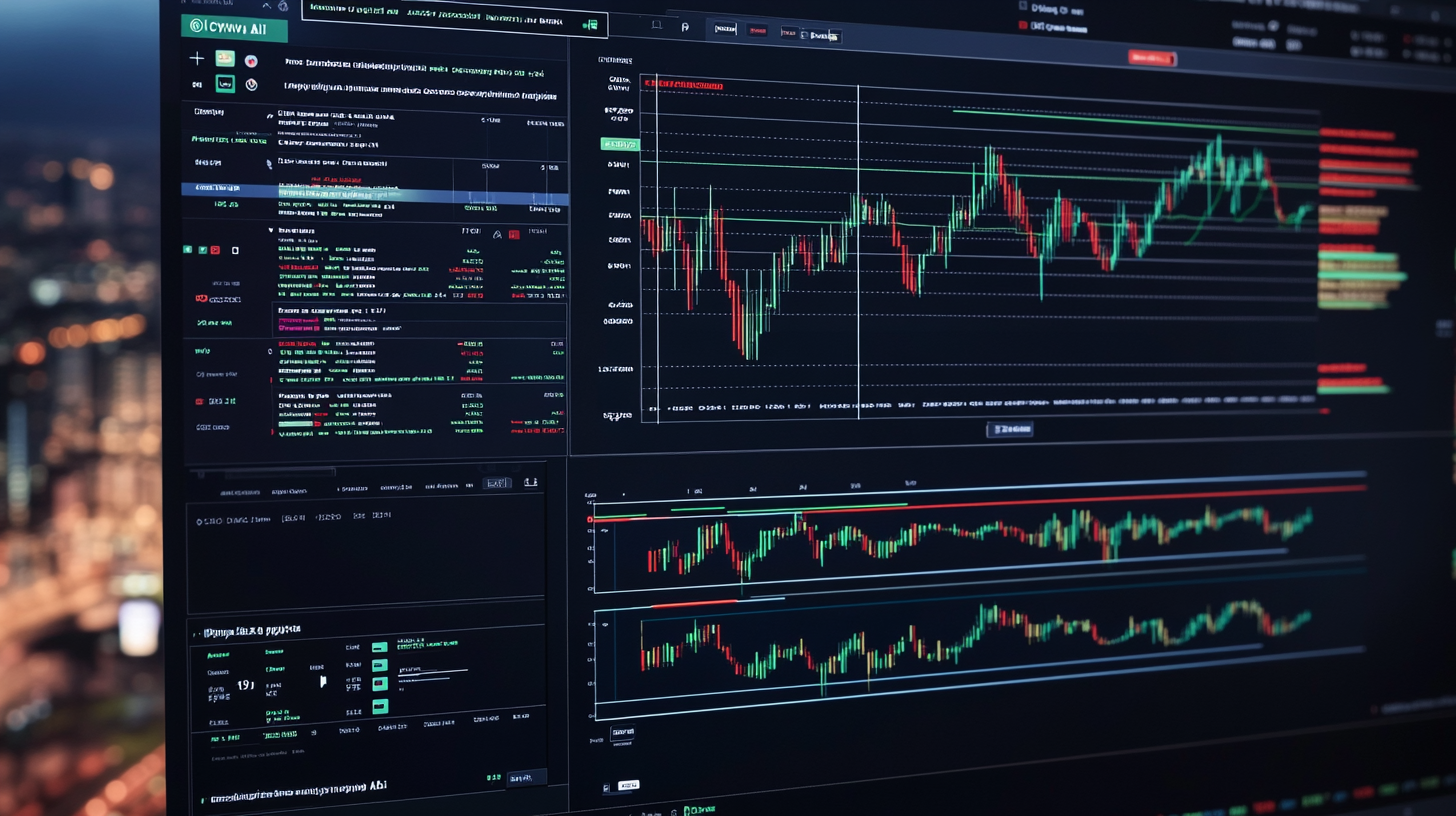
On desktop, the WebTrader loaded reliably and stayed stable through the London/NY overlap when volatility picked up. Order tickets supported market and pending orders with visible margin impact, and I could adjust stop-loss and take-profit levels from the chart without hunting through menus. Traders wedded to MT4/MT5 should note the difference: there’s less in the way of third-party plug-ins and automated strategy marketplaces, even if the core functionality is serviceable for discretionary execution.
Sévélune Finance App: Mobile Trading Experience
The Sévélune Finance app mirrors the browser workflow more closely than many white-label mobiles: watchlists, live quotes, and open positions are front and centre, and deposit/withdrawal actions are accessible without leaving the app. My Sévélune Finance login held session persistence well, and biometric unlock was available on my device. Practical touches include one-tap position close and price alerts, although heavy chart annotation is still easier on a larger screen.
Charting, Tools & Research
Charting covers the essentials—multiple timeframes, common indicators (MA, RSI, MACD, Bollinger), and enough drawing tools for trend and level work. An integrated economic calendar and a lightweight news feed help with event risk, but don’t expect the depth of a dedicated research terminal or the scripting flexibility you’d find on MT5/cTrader. Alerts and watchlists did the job for monitoring CPI and central-bank days, which is the minimum viable kit for most retail macro traders.
Sévélune Finance Account Opening & Minimum Deposit
Before I placed any trades, the onboarding screens pushed me through a standard sequence: email verification, basic suitability questions, then identity checks. For KYC, I uploaded a passport and a utility bill dated within three months; verification cleared later the same business day. The process felt geared around AML compliance rather than upselling, and the client area made it clear when withdrawal eligibility would be unlocked.
- Minimum Deposit: $200 (the Sévélune Finance minimum deposit in my test)
- Funding Methods: Visa/Mastercard, bank wire, regional e-wallets, and crypto rails such as BTC/USDT
- Demo Account: $10,000 virtual balance for practice and platform familiarisation
- Account Types: Standard (spread-only) and Raw/ECN-style (tighter spread plus $7 round-turn/lot commission)
One detail I appreciated: funding confirmation was immediate for card deposit, and the platform displayed margin usage clearly once positions were live. Account base currency choices were serviceable, though multi-currency funding can introduce conversion costs if your bank settles in GBP or EUR.
Sévélune Finance Customer Support Review
I tested support with a very trader-ish question: where to find the swap/overnight rates for indices ahead of a central-bank week. Live chat replied in roughly three minutes with the menu path and a short explanation of triple-swap timing; the agent didn’t over-promise, which is a good sign. I then followed up by email to confirm expected timing for a card withdrawal after KYC, and received a coherent reply in about nine hours.
Coverage is broadly 24/5, matching the FX week rather than weekends. Language support depends on staffing and time zone, and while I saw a contact form and email as reliable fallbacks, phone support looked region-dependent rather than universal. Relative to peers in the offshore CFD segment, the service level was credible—functional, not concierge.
Ready to Explore Sévélune Finance?
If you’re considering an account, start by comparing the Standard versus Raw/ECN pricing on the instruments you actually trade, then run a small deposit or a demo to check execution and swap. Make sure your country eligibility and documents line up before you commit meaningful capital.
Sévélune Finance Review FAQ
Is Sévélune Finance good for beginners?
It can be, provided you keep position sizes small and use the demo first. The interface is not intimidating and the product list is focused on mainstream CFDs. The bigger issue for beginners is leverage: up to 1:500 is available, which can magnify mistakes quickly.
Can I trade crypto on Sévélune Finance?
Yes, crypto is offered via CFDs, with BTC and ETH as the main contracts. You’re trading price exposure rather than taking delivery of coins, so there’s no on-chain wallet transfer. Weekend financing and wider effective spreads can make holding costs meaningful.
Is Sévélune Finance a scam?
No—based on my test, it processed deposits, executed trades, and released a withdrawal after KYC, which is not how outright scams tend to behave. That said, it operates under offshore oversight (Mauritius FSC), so you should treat it differently from a Tier‑1 regulated broker. Use disciplined risk controls and avoid over-leveraging.
Is Sévélune Finance available in the USA?
No, the USA is restricted. US residents typically cannot open accounts with offshore CFD providers due to local regulatory rules. If you’re travelling, eligibility still comes down to residency and KYC documents, not just IP address.
How long does a Sévélune Finance withdrawal take?
Most withdrawals are processed internally within 24–48 hours once your KYC is approved. After that, delivery depends on the rail: cards commonly take 2–5 business days, bank wires 3–7 business days, and crypto can arrive the same day. Delays are more likely when documents need re-checking or banks apply extra screening.
What is the Sévélune Finance minimum deposit?
The minimum deposit is $200 in my 2026 review. That’s enough to test execution and funding flows, but it’s not a licence to use maximum leverage. If you’re new, treat it as tuition and focus on risk per trade, not headline buying power.
Does Sévélune Finance have a mobile app?
Yes, there’s an iOS/Android app alongside the WebTrader. You can monitor positions, place orders, and manage deposits and withdrawals from mobile. For detailed analysis and heavy chart mark-ups, a desktop screen remains more comfortable.
Final Verdict: Should You Use Sévélune Finance in 2026?
Overall Score: 3.9/5
For traders who value access and flexibility over the strict guardrails of a Tier‑1 regulator, Sévélune Finance is a credible, usable CFD venue with a sensible two-tier pricing structure and a platform stack that covers the basics well. My practical checks—card funding, execution around the London session, and a post-KYC withdrawal—came through without theatrics, which matters more than glossy marketing. The compromise is jurisdictional protection, and the 1:500 leverage is a double-edged sword. If you proceed, do it with position sizing discipline and an appreciation that most retail CFD accounts lose money; details are best verified directly with Sévélune Finance.
Best for: experienced CFD traders seeking multi-asset coverage and a Raw/ECN-style option. Avoid if: you require FCA/EU-grade oversight, compensation schemes, or low-leverage defaults.