Saldo Capitore Review 2026: Pros, Cons, and Features Tested
| Min Deposit | $200 |
| Max Leverage | 1:500 |
| Assets | Forex, Indices, Commodities, Crypto CFDs, Share CFDs |
| Platforms | WebTrader, iOS app, Android app |
Built as an offshore-style CFD venue, Saldo Capitore suits traders who want broad markets and high leverage in exchange for lighter investor protections. In my 2026 test run, the account menu split cleanly into a spread-only Standard tier and a tighter-spread Raw/ECN-style tier with commission—useful if you actually track total cost-per-trade rather than headline spreads. Market coverage leans multi-asset (FX, indices, metals, crypto CFDs), delivered through a proprietary WebTrader and mobile apps. The strongest point is speed-to-market access; the obvious compromise is jurisdictional: your safety net is thinner than with a Tier‑1 regulated broker. I accessed the platform via Saldo Capitore and focused on execution, costs, and withdrawals.
Pros
- Two pricing tracks: spread-only Standard or commission-based Raw/ECN-style for active traders
- High leverage up to 1:500 (risk-managed, it can be efficient; unmanaged, it’s ruinous)
- Clean proprietary WebTrader plus mobile apps with the core order controls
Cons
- Offshore registration model means fewer formal dispute routes and no UK/EU-style compensation scheme
- Education and research are functional, not institutional-grade
- Dormant accounts face an inactivity charge after a period of non-use
Is Saldo Capitore Legit and Safe?
Saldo Capitore looked operational rather than a “vanish-after-deposit” setup in my checks, including a completed withdrawal. That said, it sits under an offshore framework, so “safe” here means basic controls and process integrity—not the robust guardrails you’d expect under the FCA or ASIC.
Regulatory posture matters more than marketing, and the broker presented itself as registered with the Seychelles FSA—typical language for international CFD providers serving clients outside tightly regulated markets. Practically, that can translate into higher leverage and faster product expansion, but also weaker recourse if a dispute escalates, and no meaningful investor compensation scheme. I ran a simple red-flag scan: no aggressive “account manager” pressure when I declined a promotion, no dubious trophy-cabinet of unverifiable awards, and KYC wasn’t waved through. Before funding, the platform required photo ID plus proof of address, and the client-area documentation referenced segregated client funds (a positive signal, though you’re still relying on enforcement standards in the registration venue). Remember: CFDs are leveraged products; many retail accounts lose money and your capital is at risk, especially with 1:500 leverage.
Supported Countries & Restricted Regions
The provider is broadly accessible across parts of Europe (outside the strictest regimes), MENA, LATAM, and segments of Asia, with tighter exclusions for the USA and sanctioned jurisdictions.
| Region | Status | Leverage Cap |
|---|---|---|
| UK & EU | Restricted | Not offered |
| Europe (non-EU) | Accepted | Up to 1:500 |
| MENA (select countries) | Accepted | Up to 1:500 |
| Latin America | Accepted | Up to 1:500 |
| Southeast Asia (select countries) | Accepted | Up to 1:500 |
| USA | Restricted | Not offered |
| Sanctioned jurisdictions | Restricted | Not offered |
Eligibility is enforced through a mix of onboarding declarations, IP/location checks, and KYC verification, so attempts to “work around” region policy usually fail at the funding or withdrawal stage. Country coverage can shift as compliance policies evolve, so confirm your status at signup rather than relying on old forum posts.
Tradable Assets and Markets
Rather than trying to be everything to everyone, this broker focuses on the liquid end of CFDs: the instruments most traders actually hedge or speculate with around the London and New York sessions.
- Indices: Core benchmarks such as US500, NAS100, UK100 and GER40, suitable for macro-driven positioning.
- Forex: A broad FX list with majors and a meaningful set of minors; my watchlist covered more than enough for G10 rotation.
- Commodities: Gold and oil were the headline contracts, with additional energy exposure available depending on region.
- Crypto CFDs: BTC and ETH sat front-and-centre, with a handful of larger-cap tokens offered as CFDs rather than spot.
- Share CFDs: A selective shelf of US/EU large caps for event-risk trading, not a full equity book.
All of the above are CFDs, meaning you’re trading price exposure with leverage and financing, not taking delivery of assets. You don’t receive shareholder voting rights, and crypto positions are not on-chain holdings.
Saldo Capitore Trading Fees and Spreads
Costs at Saldo Capitore are structured in two lanes: the Standard account bakes the charge into the spread, while the Raw/ECN-style tier cuts the spread and adds a per-lot commission. On my pricing checks, the all-in numbers landed in the typical band for offshore CFD brokers—competitive enough for short-term trading, less compelling for slow, carry-heavy positioning.
| Asset | Spread/Fee | Market Average Comparison |
|---|---|---|
| EUR/USD (Standard) | From 1.4 pips | In line with many international CFD venues |
| EUR/USD (Raw/ECN) | From 0.2 pips + $7 round-turn | Competitive for active FX, assuming consistent fills |
| Bitcoin (BTC/USD) | From $38 | Middle of the pack; can widen in fast markets |
| Gold (XAU/USD) | From $0.30 | Generally reasonable versus peers |
| US500 Index | From 0.8 points | Close to segment norms on liquid hours |
Non-spread costs to watch: Overnight swap/financing is the quiet compounding expense, particularly if you hold indices or FX for days rather than hours, and crypto CFDs can carry heavier weekend financing. After 90 days of inactivity, I saw an inactivity fee of $10 per month applied in the terms, which matters if you park an account between strategies. Withdrawals themselves were not billed by the platform in my test, but your bank/card provider can still charge, and conversion costs appear when you fund in a different base currency. For the full Saldo Capitore fees picture, add spread/commission, swaps, and funding frictions together—not separately.
Saldo Capitore Trading Platforms and Tools
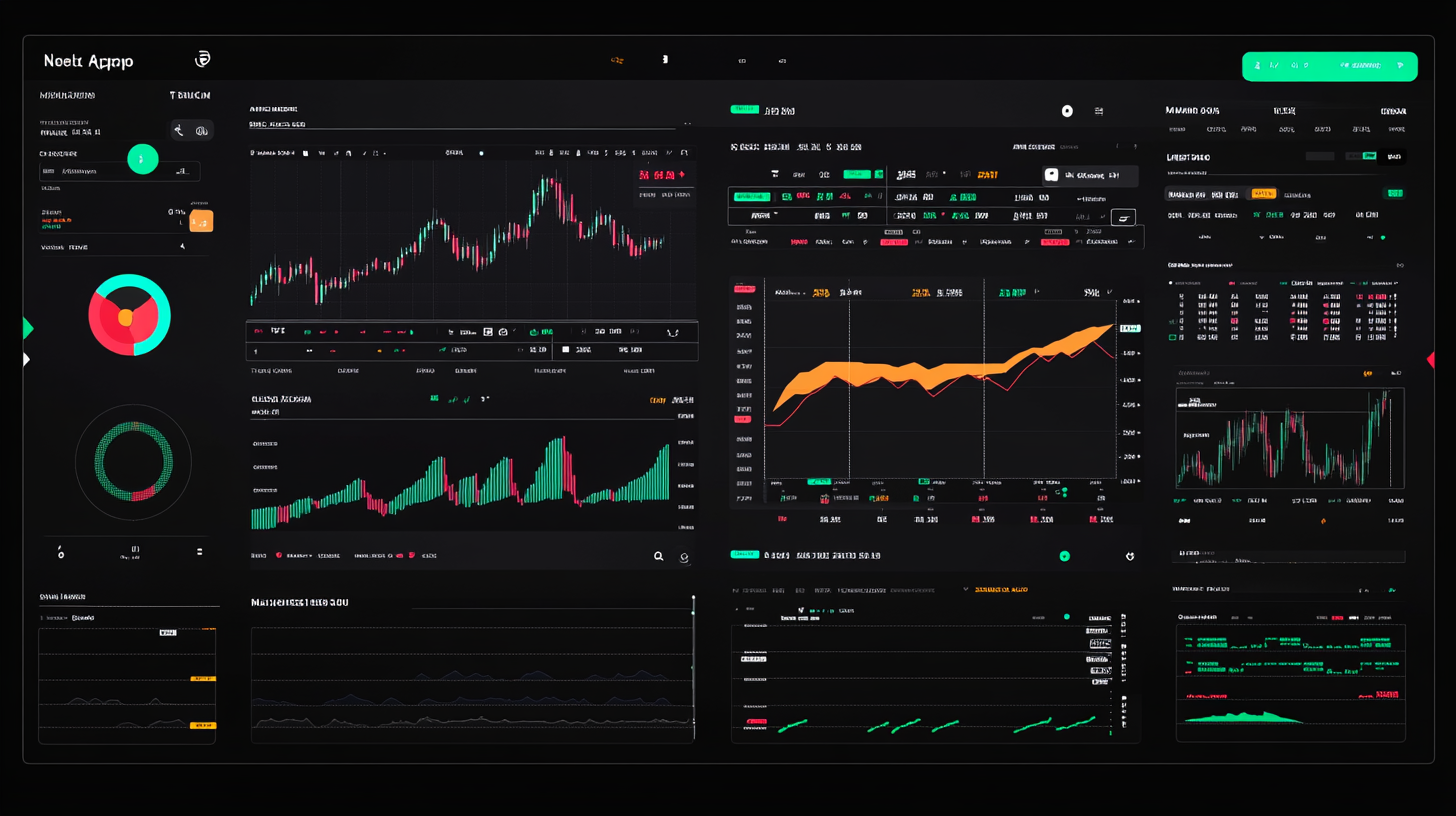
On desktop, the proprietary WebTrader behaved like a modern retail terminal: stable sessions, quick instrument search, and a layout that doesn’t fight you once you’ve pinned watchlists and chart templates. I placed test orders on XAU/USD around the London open and saw market and limit orders, stop-loss/take-profit controls, and sensible margin readouts; execution felt prompt, though—as ever—liquidity and volatility dictate the real story. Traders married to the MT4/MT5 ecosystem should note that I did not see a confirmed MetaTrader download in the client area, which limits third-party indicator libraries and automation options.
Saldo Capitore App: Mobile Trading Experience
The Saldo Capitore app prioritises the basics: quotes update cleanly, position management is one tap away, and funding/withdrawal shortcuts are built into the same navigation as trading. The Saldo Capitore login supported biometric unlock on my device, which is the right balance between convenience and security for a phone-based terminal. Push notifications for fills and margin alerts were available, although I’d still avoid running high leverage from mobile alone—small-screen risk management is rarely a trader’s friend.
Charting, Tools & Research
Charting is adequate for discretionary work: multiple timeframes, the staple indicators (moving averages, RSI, MACD, Bollinger), and enough drawing tools for levels and trend structure. The platform also included an economic calendar and a compact news feed—useful for knowing when CPI or central bank decisions are due, but not a replacement for professional research. If you need advanced order-routing analytics or deep strategy testing, dedicated MT5/cTrader environments still set the bar.
Saldo Capitore Account Opening & Minimum Deposit
My onboarding started with the expected scope: email, password, country selection, and a short suitability-style prompt before the client area opened. KYC followed standard AML practice—government photo ID plus a recent proof of address (utility bill or bank statement dated within three months). Verification cleared the same business day in my case, and I could fund immediately after approval without any back-and-forth.
- Minimum Deposit: $200
- Funding Methods: Visa/Mastercard, bank wire, regional e-wallets, and crypto deposits (BTC, USDT)
- Demo Account: $10,000 virtual balance for platform familiarisation and order-testing
- Account Types: Standard (spread-only) and Raw/ECN-style (tighter spreads + $7 round-turn commission)
For readers searching “Saldo Capitore minimum deposit”, the practical point is less the $200 headline and more the funding rail you choose: card deposits were quickest for me, while wires naturally involve bank-side cut-offs. I funded by card, then ran a small set of trades before requesting a partial withdrawal to test the operational loop.
Saldo Capitore Customer Support Review
I approached live chat with a specific, trader’s question: how the broker calculates swap on spot metals and whether rates change across the week. The agent came back in roughly three minutes with a plain-English explanation and pointed me to the symbol-spec sheet inside the platform; the answer was serviceable, if not overly technical. I followed up by email asking about withdrawal timing and received a reply in around eight hours, consistent with a 24/5 desk rather than a fully staffed weekend operation.
Support availability tracked the usual CFD-broker cadence: 24/5 coverage with regional language capacity depending on staffing, and lighter handling outside peak market hours. Phone support wasn’t prominently signposted in my region, so treat voice escalation as uncertain. If you trade crypto over the weekend, remember that market trading can continue while service desks slow down—plan risk accordingly.
Ready to Explore Saldo Capitore?
If you’re considering an offshore CFD account, start by checking the platform experience and the live spreads during your usual trading hours. A demo first is sensible, then a small funded test to verify execution and the withdrawal workflow before scaling exposure.
Saldo Capitore Review FAQ
Is Saldo Capitore good for beginners?
It can be, provided you keep position sizing conservative and treat leverage with respect. The WebTrader is easy to navigate and the demo helps, but the education stack is not as deep as the big regulated household names. Beginners should also understand margin calls and negative balance dynamics before using 1:500 leverage.
Can I trade crypto on Saldo Capitore?
Yes, crypto is offered via CFDs, with BTC/USD and ETH/USD among the main contracts. That means you’re trading price movements rather than holding coins in a wallet, and financing can apply—especially across weekends. Check contract specs for typical spreads before trading volatile periods.
Is Saldo Capitore a scam?
No, my Saldo Capitore scam check didn’t show the classic failure modes (blocked withdrawals, relentless pressure selling, or “mystery bonus traps”), and I was able to withdraw after KYC. The bigger consideration is that it’s offshore-registered, so the supervisory and compensation framework is lighter than in the UK/EU. Treat it as a higher-risk venue and size accordingly.
Is Saldo Capitore available in the USA?
No, Saldo Capitore is not available in the USA based on the broker’s region policy during my 2026 review. US residents typically face “Restricted” status due to local regulatory requirements. If you’re travelling, KYC residency checks still apply.
How long does a Saldo Capitore withdrawal take?
A Saldo Capitore withdrawal was processed internally within about 24–48 hours after my account was verified. Receipt time then depends on the method: cards often take 2–5 business days, bank wires 3–7, while crypto transfers can land the same day. Delays are most common when documents need re-checking or bank compliance flags a transfer.
What is the Saldo Capitore minimum deposit?
The Saldo Capitore minimum deposit is $200 in the account setup I tested. Funding by card is typically the fastest, while wire transfers depend on bank cut-off times. If you plan to trade the Raw/ECN-style tier, budget for commission alongside margin.
Does Saldo Capitore have a mobile app?
Yes, there are iOS and Android apps, and I used the mobile terminal to monitor positions and manage account actions. You can place and close trades, check margin, and access deposits/withdrawals from the app. For risk control, I still prefer doing detailed order planning on a larger screen.
Final Verdict: Should You Use Saldo Capitore in 2026?
Overall Score: 4.0/5
From a trader’s perspective, the key question isn’t whether the interface looks modern—it does—but whether the operational plumbing works when you stress it with real money. My test covered a card deposit, several liquid-market trades, and a partial withdrawal, and the cycle completed without drama. Pricing is respectable, particularly on the Raw/ECN-style lane, while the offshore framework remains the decisive caveat for anyone asking “is Saldo Capitore legit”. If you proceed, keep leverage contained and treat CFDs as high-risk instruments where losses can mount quickly. For 2026, Saldo Capitore is best approached with a measured, risk-first mindset.
Best for: active CFD traders who want higher leverage and can monitor swap, margin, and execution quality. Avoid if: you require Tier‑1 regulation, formal compensation schemes, or deep third-party platform ecosystems like MT5.