Roc Valoraire Review 2026: Pros, Cons, and Features Tested
| Min Deposit | $200 |
| Max Leverage | 1:500 |
| Assets | Forex, Indices, Commodities, Crypto CFDs, Share CFDs |
| Platforms | WebTrader (browser) + iOS/Android apps |
Built for traders who want multi‑asset CFDs with punchy leverage, Roc Valoraire suits active speculators more than long-horizon investors, with the headline trade-off being an offshore rulebook rather than a top-tier one. In my Roc Valoraire review, I found two clear account tiers—spread-only for casual flow and a tighter Raw/ECN-style option for frequent tickets—plus a solid spread of FX, indices, metals and the usual large-cap crypto CFDs. The platform stack is a proprietary WebTrader with mobile apps; it’s functional, but you won’t get the deep third‑party ecosystem that comes with legacy terminals. If you want to check the current onboarding flow, start here: Roc Valoraire.
Pros
- Two pricing modes (Standard vs Raw/ECN-style) that let you match costs to trading frequency
- Broad CFD menu: majors in FX, key indices, gold/oil, and large-cap crypto exposure
- Mobile app covers the essentials—positions, funding, and risk controls—without feeling bolted-on
Cons
- Offshore registration means fewer formal escalation routes if disputes arise
- Education and research are serviceable but not institutional-grade
- Dormant accounts can face an inactivity charge after a period of non-use
Is Roc Valoraire Legit and Safe?
Roc Valoraire appears operational and tradeable rather than a cartoon “Roc Valoraire scam” setup, based on my ability to verify, trade, and withdraw. The safety caveat is jurisdictional: it operates under an offshore model, which generally means lighter investor-protection scaffolding than the UK/EU majors.
From a governance angle, the broker presented itself as registered with the Seychelles FSA—fine as a corporate domicile, but not the same as being under an FCA-style conduct regime with robust compensation frameworks. In practice, that tends to show up as higher leverage availability, a wider spread of payment rails, and a more limited dispute ladder if something goes wrong. During my check, the typical red flags weren’t front-and-centre: I didn’t see “guaranteed profit” language, and there was no hard-sell barrage after I paused at funding. What I did see was real KYC gating (photo ID plus a recent proof of address) and explicit wording around segregated client funds, which is encouraging even if enforcement standards vary offshore. Still, remember the product: CFDs are leveraged instruments; margin calls happen fast and most retail traders lose money.
Supported Countries & Restricted Regions
Access is geared toward international clients across parts of Europe (outside strict EU/UK retail rules), MENA, and selected emerging markets, while the USA and sanctioned jurisdictions are blocked.
| Region | Status | Leverage Cap |
|---|---|---|
| Europe (non‑EU/EEA) | Accepted | Up to 1:500 |
| MENA (select countries) | Accepted | Up to 1:500 |
| Southeast Asia (select countries) | Accepted | Up to 1:500 |
| Latin America (select countries) | Accepted | Up to 1:500 |
| Sub‑Saharan Africa (select countries) | Accepted | Up to 1:500 |
| USA | Restricted | Not offered |
| Sanctioned jurisdictions | Restricted | Not offered |
Eligibility is not a “set-and-forget” feature: IP checks and KYC residency documents did the heavy lifting in my sign-up, and the provider can tighten country access if local rules shift. If you travel frequently, expect occasional extra verification prompts.
Tradable Assets and Markets
The product list is best described as FX-and-macro first, with indices and metals carrying much of the day-to-day volume and crypto sitting as a tactical add-on. For traders who think in central-bank narratives—rates, risk appetite, and volatility—this lineup makes sense.
- Indices: Core benchmarks like US500, NAS100, US30, GER40 and UK100, useful for event-driven trading around CPI and central-bank days.
- Forex: Roughly 40+ pairs spanning majors and a handful of higher-beta crosses; EUR/USD and GBP/USD liquidity felt adequate around the London open.
- Commodities: Gold and silver alongside energy (WTI/Brent), which can be handy when geopolitics rather than data is moving markets.
- Crypto CFDs: BTC/USD and ETH/USD plus a few large-caps; spreads widen more noticeably into weekends, as you’d expect.
- Share CFDs: A curated set of US/EU blue chips for tactical exposure, rather than a full equity dealing proposition.
All of this is CFD exposure, not ownership: you don’t receive shareholder voting rights, you’re not holding coins on-chain, and any dividend-like adjustments are handled as account credits/debits rather than cash distributions.
Roc Valoraire Trading Fees and Spreads
Pricing is split into a spread-only Standard account and a Raw/ECN-style option where tighter pricing is paired with commission. On my test tickets, the total cost-of-trade sat broadly in the middle of the offshore CFD pack—competitive on majors if you choose the right tier, less sharp if you stick to Standard and scalp.
| Asset | Spread/Fee | Market Average Comparison |
|---|---|---|
| EUR/USD (Standard) | From 1.4 pips | In line with typical spread-only offshore accounts |
| EUR/USD (Raw/ECN) | From 0.2 pips + $7 round-turn per lot | Often cheaper for frequent traders vs spread-only pricing |
| Bitcoin (BTC/USD) | From $35 | Typical for CFD venues; can widen during high volatility |
| Gold (XAU/USD) | From $0.25 | Competitive on calm sessions; less so on fast news spikes |
| US500 Index | From 0.8 points | Reasonable for a retail CFD feed |
Non-spread costs to watch:
Swap/overnight financing is the quiet drag on longer holds, particularly if you run high leverage or keep crypto positions through the weekend funding window. There’s also an inactivity fee of $10 per month once an account sits dormant for 90 days, which matters if you trade seasonally rather than weekly. Finally, withdrawal charges can arise indirectly—think bank wire fees on the receiving side and FX conversion if you fund in one currency and withdraw in another—so it’s worth matching your base currency to your primary rail.
Roc Valoraire Trading Platforms and Tools
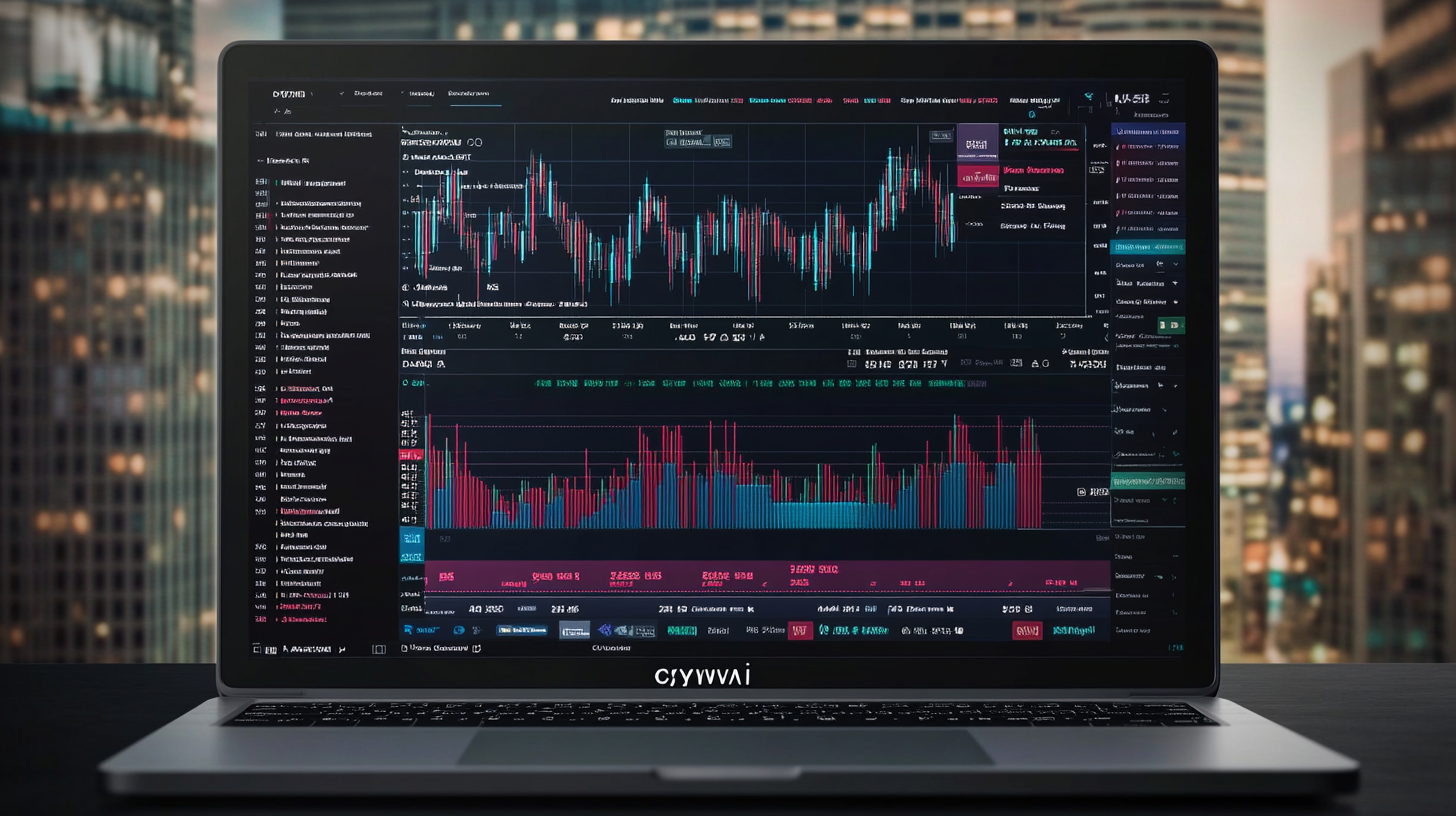
On desktop, the WebTrader loaded cleanly in-browser and stayed stable through a couple of London/NY overlap checks. Order coverage is what most retail CFD traders need—market, limit, stop, and position-level stop-loss/take-profit—with execution feeling brisk in normal conditions; I saw one modest slippage event when I hit a market order into a quick index move, which is hardly exotic. If you’re coming from MT4/MT5, the gap is less about basic trading and more about the ecosystem: fewer third‑party plug-ins, scripts, and community indicators.
Roc Valoraire App: Mobile Trading Experience
The Roc Valoraire app mirrors the core workflow: quotes update in real time, you can adjust stops from the position screen, and deposit/withdrawal menus are accessible without digging through settings. Roc Valoraire login supported biometric unlock on my device, which is a small but meaningful safeguard if you trade on the move. Push alerts for price levels were reliable, though chart drawing felt a touch cramped on smaller screens—fine for management, less ideal for detailed planning.
Charting, Tools & Research
Tooling is practical rather than fancy: an integrated economic calendar, a news stream, watchlists, and a standard indicator set (MA, RSI, MACD, Bollinger) with the usual drawing kit. Alerts are adequate for monitoring key levels, but there’s a ceiling here versus power-user environments like MT5 or cTrader—particularly if you rely on custom indicators or advanced strategy testing. For macro traders, the calendar plus clean multi-timeframe charts will cover a lot of ground.
Roc Valoraire Account Opening & Minimum Deposit
My account setup followed the familiar AML path: basic personal details first, then identity checks before full access. The KYC upload asked for a government-issued photo ID and a proof of address dated within three months; verification cleared the same day, and the client area then unlocked higher deposit/withdrawal limits. From a friction standpoint it’s light, but not lax—which is what you want if you care about operational hygiene.
- Minimum Deposit: $200 (this is the Roc Valoraire minimum deposit I saw at funding)
- Funding Methods: Visa/Mastercard, bank wire, regional e-wallets, and crypto rails such as BTC and USDT
- Demo Account: $10,000 virtual balance for testing spreads, order handling, and margin behaviour
- Account Types: Standard (spread-only) and Raw/ECN-style (tighter spreads plus commission)
Funding via USDT credited after a short sequence of confirmations inside the wallet flow, and the platform’s balance updated without manual chasing. For traders who keep books in GBP or EUR, note that conversion can become an unglamorous cost line if your deposit currency doesn’t match your account denomination.
Roc Valoraire Customer Support Review
I tested live chat with a practical question about swap rates on gold and whether the Raw/ECN commission is charged per side or round-turn. A human reply arrived in roughly three minutes, with a clear explanation and a pointer to where the rates sit inside the platform. I also sent an email asking about Roc Valoraire withdrawal timing on cards versus crypto; the ticket response landed in about nine hours and mirrored the policy wording without contradicting what I saw in the client area.
Support coverage is the usual 24/5 pattern, which aligns with FX market hours rather than weekend crypto. Language breadth depends on staffing and shift, and phone availability looked limited—email and chat are the real workhorses. Relative to peers in this segment, it’s competent: not concierge-level, but not the black hole that worries seasoned traders.
Ready to Explore Roc Valoraire?
If you’re considering an account, start by checking live spreads and the instrument list in a demo, then confirm your country eligibility before funding. I’d also review the fee schedule for swaps and dormancy so the small print doesn’t become your performance anchor.
Roc Valoraire Review FAQ
Is Roc Valoraire good for beginners?
It can be, provided you treat leverage with respect and start on a demo. The WebTrader is easy to navigate, but the offshore framework means you should be extra disciplined on position sizing and withdrawals. Beginners should also watch swaps and the $10 monthly inactivity fee after 90 days of dormancy.
Can I trade crypto on Roc Valoraire?
Yes, you can trade crypto CFDs such as BTC/USD and ETH/USD. You’re trading price exposure via CFD, not owning coins, so there’s no on-chain transfer or wallet custody. Expect wider spreads and higher financing effects around weekends.
Is Roc Valoraire a scam?
No—based on my testing it behaved like a functioning CFD broker (KYC, trading access, and a completed withdrawal request). The more relevant question is “is Roc Valoraire legit under a strong regulator?”—and here the answer is that it’s offshore-registered, which changes the level of formal protections. Use risk controls and avoid over-leveraging.
Is Roc Valoraire available in the USA?
No, Roc Valoraire is not available in the USA. US residents are marked as restricted during onboarding and cannot open accounts. If you’re travelling, KYC residency documents still determine eligibility.
How long does a Roc Valoraire withdrawal take?
Most withdrawals are processed internally within 24–48 hours once KYC is approved. After that, receipt time depends on the rail: cards typically take 2–5 business days, bank wires 3–7 business days, and crypto transfers often arrive the same day. Timing can stretch during compliance checks or banking holidays.
What is the Roc Valoraire minimum deposit?
The Roc Valoraire minimum deposit is $200. That level is enough to test execution and margin dynamics, though it’s not a cushion if you plan to run 1:500 leverage. If you’re cost-sensitive, compare the Standard versus Raw/ECN-style pricing before funding more.
Does Roc Valoraire have a mobile app?
Yes, there are iOS and Android apps alongside the browser platform. The mobile build supports order placement, position management, and funding actions, and it can use biometric sign-in on compatible devices. For detailed analysis, you may still prefer desktop charting.
Final Verdict: Should You Use Roc Valoraire in 2026?
Overall Score: 4.0/5
What stood out in 2026 is the platform’s balance between accessible multi‑asset CFDs and a cost structure that rewards traders who graduate to the Raw/ECN-style tier. The offshore setting remains the defining constraint: you’re leaning more on the broker’s internal controls (KYC, segregation language, withdrawal handling) than on heavyweight statutory protection. For disciplined traders, that can be acceptable—provided you treat leverage as a tool, not a lifestyle. If you want to re-check current terms before committing, here’s the entry point: Roc Valoraire.
Best for: active CFD traders who want FX/indices/metal exposure with tiered pricing and are comfortable managing offshore risk. Avoid if: you require Tier‑1 regulation, investor compensation schemes, or you’re prone to overtrading high leverage.