Renditanzia Review 2026: Pros, Cons, and Features Tested
| Min Deposit | $200 |
| Max Leverage | 1:500 |
| Assets | Forex, Indices, Commodities, Crypto CFDs, Share CFDs |
| Platforms | WebTrader + iOS/Android mobile apps |
Built as a multi-asset CFD venue, Renditanzia suits traders who value leverage and breadth over the protections that come with top-tier regulation—the trade-off is clear. I found two main pricing tiers (spread-only Standard and a commission-based Raw/ECN-style option), which makes sense if you swing between occasional trades and higher-frequency bursts. The product shelf leans Forex and indices first, with crypto CFDs available for those comfortable with weekend financing. Platform-wise it’s a proprietary WebTrader plus mobile apps rather than a confirmed MT4/MT5 stack. The standout is the clean execution workflow and sensible risk controls; the biggest drawback is the offshore framework, which raises the bar for your own due diligence on withdrawals and disputes. For the latest access point, use Renditanzia.
Pros
- Two account styles: wider spread vs. tighter spread plus commission, useful for different trading tempos
- Broad CFD menu covering FX, key indices, metals/energy, and selected crypto
- Mobile and web platforms felt coherent, with watchlists and order management kept consistent
Cons
- Operates under an offshore registration model, so investor compensation routes are limited
- Education and research are serviceable, not a replacement for institutional-grade tooling
- Dormant-account charges can accrue after inactivity, which matters for occasional users
Is Renditanzia Legit and Safe?
Renditanzia presented as an operational broker rather than a “hit-and-run” outfit, and my deposit and withdrawal checks behaved as you’d expect from a functioning CFD provider. That said, it sits in an offshore regulatory perimeter, so “safe” is not the same thing as “FCA-grade protected.”
From a governance standpoint, the provider is set up under a Mauritius FSC-style offshore model, which typically permits higher leverage but usually offers a thinner safety net if something goes wrong. In practice, that means fewer formal escalation channels, weaker compensation arrangements, and more reliance on the broker’s internal policies. During my test window I looked for the usual red flags—aggressive sales tactics, “too-good-to-be-true” badges, or friction when moving money out—and none of those tripped. KYC/AML was enforced (photo ID plus proof of address), and the legal language referenced segregated client funds, which is a positive signal even if enforcement varies by jurisdiction. Still, CFDs are leveraged products and most retail accounts lose money; treat position sizing and margin discipline as non-negotiable.
Supported Countries & Restricted Regions
This broker is broadly accessible across parts of Europe (outside the strictest regimes), MENA, and sections of Asia and Africa, subject to onboarding checks. The USA is not supported, and sanctioned jurisdictions are blocked.
| Region | Status | Leverage Cap |
|---|---|---|
| United Kingdom | Restricted | Not offered |
| Europe (non-EU/EEA select) | Accepted | Up to 1:500 |
| MENA (select) | Accepted | Up to 1:500 |
| Southeast Asia (select) | Accepted | Up to 1:500 |
| Sub-Saharan Africa (select) | Accepted | Up to 1:500 |
| USA | Restricted | Not offered |
| Sanctioned jurisdictions | Restricted | Not offered |
Eligibility is enforced via a mix of KYC residency checks and location controls, and the rulebook can shift quickly when policy or sanctions change. If you travel frequently, expect the platform to re-validate access when your logins come from new regions.
Tradable Assets and Markets
The product mix reads like a Forex-led CFD shop that also caters to index and metal traders who want one account for multiple risk themes. Liquidity felt best in majors and headline indices during the London and New York overlap.
- Indices: The usual global benchmarks showed up—US500, NAS100, US30, plus GER40 and UK100—useful for macro-driven day trades.
- Forex: Around 40+ pairs across majors and minors, with a smaller set of exotics for those willing to pay wider spreads.
- Commodities: Gold and silver were front and centre, with crude oil (WTI/Brent) available for event risk around inventory data.
- Crypto CFDs: BTC and ETH led the list, with a handful of large-caps—pricing is sensitive to weekend financing and gaps.
- Share CFDs: A curated selection of large US/EU names, better suited to tactical positioning than deep equity investing.
Everything here is CFD exposure: you’re trading price movements, not taking delivery of commodities, holding on-chain tokens, or gaining shareholder rights. That matters for dividends, voting, and the way corporate actions are handled.
Renditanzia Trading Fees and Spreads
Costs on Renditanzia come down to the account tier you choose: Standard is spread-only, while the Raw/ECN-style option tightens the spread and adds a per-lot commission. On balance, the pricing sits in the middle of the offshore CFD pack—competitive for active FX, less special for casual one-lot traders.
| Asset | Spread/Fee | Market Average Comparison |
|---|---|---|
| EUR/USD (Standard) | From 1.6 pips | In line with typical offshore Standard accounts |
| EUR/USD (Raw/ECN) | From 0.2 pips + $7 round-turn/lot | Competitive if you trade size and value tighter spreads |
| Bitcoin (BTC/USD) | From $35 (variable) | Broadly average; watch volatility spikes and weekend conditions |
| Gold (XAU/USD) | From $0.25 | Reasonable versus CFD peers, especially in liquid hours |
| US500 Index | From 0.9 points | Near the segment norm for non-institutional access |
Non-spread costs that matter over time: Swaps/overnight financing can be the real drag if you carry FX or indices for days, and crypto CFDs often price in extra weekend financing. I also noted an inactivity fee of $10 per month after 90 days without trading, which can quietly erode small balances. Funding in one currency and trading in another can introduce conversion costs, and certain withdrawal rails may pass through intermediary bank fees depending on your region.
Renditanzia Trading Platforms and Tools
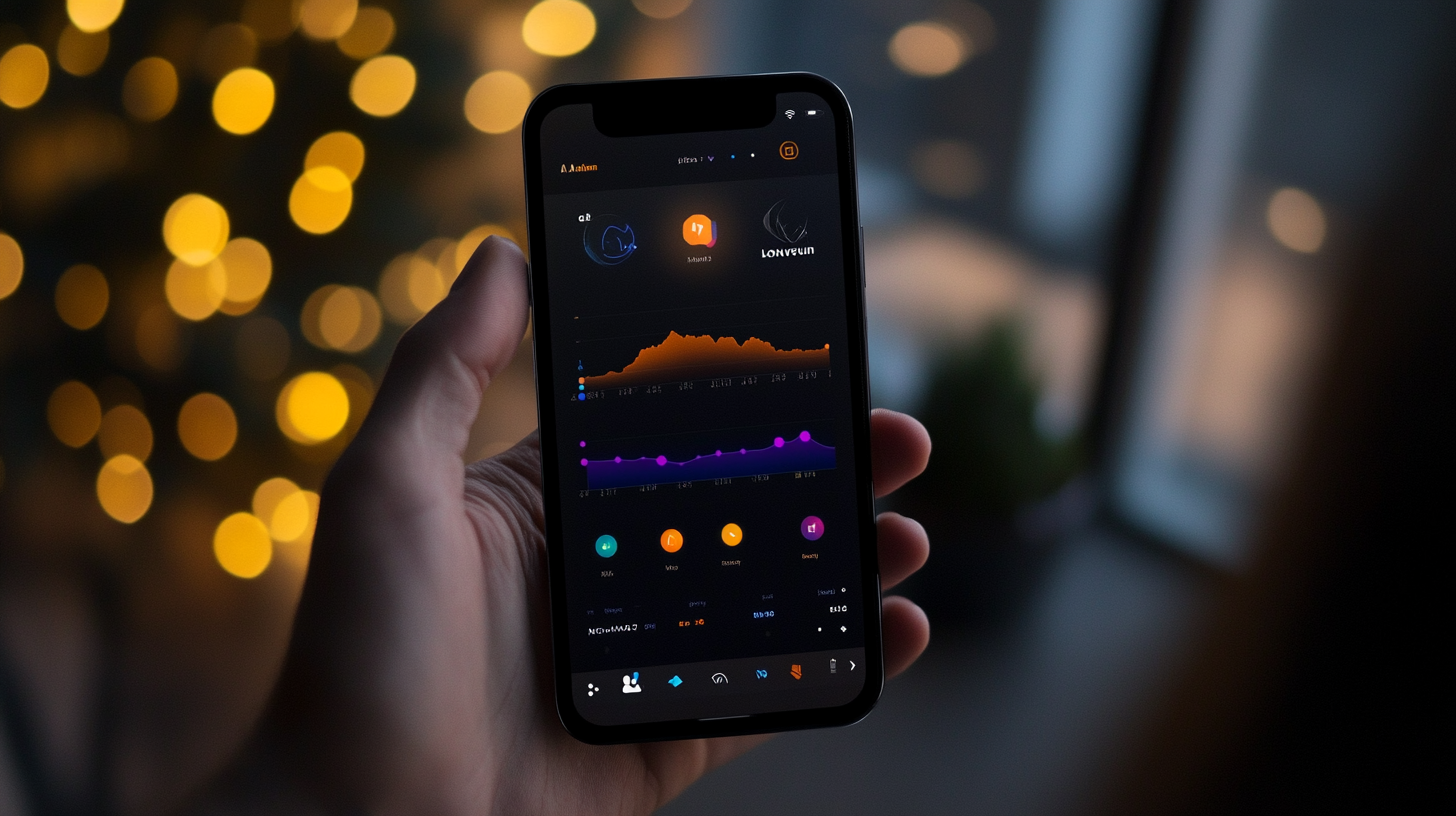
On desktop, the WebTrader felt designed for speed rather than endless customisation: watchlists, ticket entry, and position management sit one click away, and the layout stays readable even with multiple charts open. I tested a market order and a stop on EUR/USD into the London open; execution came back cleanly with no obvious requote theatre, though slippage around fast prints is part of CFD life. If you live inside the MT4/MT5 ecosystem for EAs and third-party tools, you’ll notice the gap—this is a proprietary environment first.
Renditanzia App: Mobile Trading Experience
The Renditanzia app mirrored the web layout closely, and the Renditanzia login process supported biometric unlock on my device, which I prefer for operational hygiene. Order placement includes market, limit, and stop, with a practical one-tap close function for risk reduction. Deposits and withdrawals are reachable from the same navigation stack, and push notifications can be enabled for order events. A minor quirk: chart gestures occasionally fought with drawing tools on smaller screens, so I kept analysis on desktop and used mobile for monitoring.
Charting, Tools & Research
Charting covers the essentials—multiple timeframes, common indicators (MA, RSI, MACD, Bollinger), and basic drawing—enough for most retail playbooks. An integrated economic calendar and news feed are present, which helps when central bank days dominate the tape. Still, compared with MT5 or cTrader-style ecosystems, research depth is lighter and there’s less room for workflow automation; serious macro traders will likely run external calendars and analytics alongside.
Renditanzia Account Opening & Minimum Deposit
Before I placed any trades, I went through the onboarding screens and then pushed straight into verification to see how strict the gatekeeping really was. The form asked for standard identity details and trading-experience declarations, and KYC required a government-issued photo ID plus a proof of address dated within three months. My documents were approved the same business day, which then unlocked full withdrawal functionality and higher funding flexibility.
- Minimum Deposit: $200 (Renditanzia minimum deposit for the Standard tier in my test journey)
- Funding Methods: Visa/Mastercard, bank wire, regional e-wallets, and cryptocurrencies such as BTC and USDT
- Demo Account: $10,000 virtual balance for practising order types and margin behaviour without cash risk
- Account Types: Standard (spread-only) and Raw/ECN-style (tighter spreads plus $7 round-turn/lot commission)
One practical note: base-currency choice matters if you fund by card and later withdraw via a different rail—conversion spreads can show up in unexpected places. If you want to double-check the current account path and documents list, the cleanest starting point is Renditanzia.
Renditanzia Customer Support Review
To pressure-test support, I used live chat to ask how swap rates are displayed for FX pairs and whether weekend financing applies to crypto CFDs. The agent came back in roughly three minutes with a direct explanation of where the swap fields sit on the instrument screen and flagged that crypto financing can extend through weekends. I then sent a follow-up by email about withdrawal sequencing after KYC; the reply landed in just under 10 hours with a step-by-step outline.
Coverage is broadly what you see across international CFD brokers: live chat is geared for 24/5, email and forms handle longer queries, and phone access—where offered—tends to be region-specific rather than universal. Weekends are thinner, particularly for account queries, so anything urgent is best handled before Friday’s close in London.
Ready to Explore Renditanzia?
If you’re considering an offshore CFD account, start by checking the live spread on your usual instruments and confirming your region is eligible. A demo run is sensible before funding, especially if you plan to use higher leverage and trade around data releases.
Renditanzia Review FAQ
Is Renditanzia good for beginners?
It can be, provided a beginner treats it as a risk-managed learning environment rather than a leverage playground. The $10,000 demo is useful, and the WebTrader is not hard to navigate. The offshore setting and access to 1:500 leverage mean novices should keep position sizes small and use stops.
Can I trade crypto on Renditanzia?
Yes, crypto CFDs such as BTC/USD and ETH are available. You’re trading derivative price exposure, not receiving coins into a wallet. Pay attention to volatility, margin requirements, and the added financing effect over weekends.
Is Renditanzia a scam?
No—based on my 2026 hands-on checks, it operated like a functioning broker with KYC controls and a completed withdrawal path. The more relevant question is jurisdiction: it’s offshore, so protections differ from FCA/ASIC-style regimes. Treat it as higher responsibility trading and keep expectations realistic.
Is Renditanzia available in the USA?
No, it is restricted for US residents. The platform typically blocks US onboarding at the eligibility stage and may flag US-based access during checks. If you’re US-based, you’ll need a CFTC/NFA-compliant venue instead.
How long does a Renditanzia withdrawal take?
After KYC, internal processing ran about 24–48 hours in my test. Receipt time then depends on the rail: cards often take 2–5 business days, wires 3–7 business days, while crypto withdrawals can arrive the same day. Your bank or wallet provider can add extra delay.
What is the Renditanzia minimum deposit?
The Renditanzia minimum deposit is $200 for the entry Standard account in this Renditanzia broker review 2026. Funding methods can influence practical minimums due to provider limits or network fees. If you plan to trade indices or gold, ensure your starting balance matches the margin you’ll actually need.
Does Renditanzia have a mobile app?
Yes, there are iOS and Android apps, and I used them for monitoring and order management. The app supports order placement, position controls, and account funding features. For deeper analysis, the desktop WebTrader remains the more comfortable workspace.
Final Verdict: Should You Use Renditanzia in 2026?
Overall Score: 4.0/5
In a market where central-bank volatility still whipsaws FX and indices, execution hygiene and transparent costs matter more than marketing, and Renditanzia largely delivered on the mechanics. The two-tier pricing (1.6 pips from Standard on EUR/USD, or 0.2 pips plus $7 round-turn on Raw/ECN-style) gives you a genuine choice depending on turnover. I’d still price in the offshore reality: dispute escalation is harder, and high leverage cuts both ways. If you proceed, keep position sizes modest and treat CFDs as capital-at-risk instruments. For the current onboarding route, see Renditanzia.
Best for: Traders who want multi-asset CFDs with higher leverage and can self-manage risk controls. Avoid if: You require Tier-1 regulatory protection, guaranteed compensation schemes, or you’re prone to overtrading with margin.