Polar Zinsmere Review 2026: Pros, Cons, and Features Tested
| Min Deposit | $200 |
| Max Leverage | 1:500 |
| Assets | Forex, Indices, Commodities, Crypto CFDs, Share CFDs |
| Platforms | Proprietary WebTrader + iOS/Android mobile apps |
Built as a multi-asset CFD venue for traders who prioritise leverage and instrument variety over top-tier regulatory cover, Polar Zinsmere suits active speculators but asks you to accept an offshore framework as the price of flexibility. In my 2026 test, the account structure split cleanly between a spread-only Standard tier and a tighter Raw/ECN-style option for higher-turnover trading. Market coverage leaned broad rather than deep—strong on major indices and FX, with crypto CFDs for tactical exposure. The platform stack is proprietary (WebTrader and mobile), which keeps access simple but won’t satisfy those wedded to MT4/MT5 plug-ins. A practical USP is the sharp pricing on the raw tier; the main drawback is the lighter dispute-resolution safety net typical of offshore registration. For more detail, see Polar Zinsmere.
Pros
- Two-tier pricing model with a genuinely tighter Raw/ECN-style option for frequent traders
- Wide CFD menu across FX, indices, metals/energy, and major crypto pairs
- Clean WebTrader layout with mobile access for monitoring margin and risk on the move
Cons
- Offshore oversight means weaker investor recourse than FCA/ASIC-style regimes
- Education and research are functional, not institutional-grade
- Inactivity charges can bite if you park an account and forget it
Is Polar Zinsmere Legit and Safe?
Polar Zinsmere appeared operational and tradeable in my hands-on checks, rather than presenting the classic hallmarks of a “disappearing” broker. That said, it sits in an offshore registration model, so “safe” should be read as “works as described,” not “protected like a UK-regulated account.”
Regulatory context matters more in 2026 than it did pre-tightening cycles: I found the provider referencing registration under the Seychelles FSA framework, which is common for international CFD brokers targeting broad cross-border demand. Offshore status can translate into higher available leverage and faster product rollout, but it also tends to mean thinner compensation schemes and a more complex escalation path if a dispute turns adversarial. I ran a basic red-flag sweep: no odd “instant award” badges on the dashboard, no aggressive call centre pressure during onboarding, and—crucially—KYC was enforced before I could complete a withdrawal request. The legal language also referenced segregated client funds, though outside Tier‑1 jurisdictions you still rely heavily on internal controls and counterparties. Finally, remember the product risk: CFDs are leveraged instruments; margin calls happen quickly, and most retail accounts lose money when risk is unmanaged.
Supported Countries & Restricted Regions
This broker is geared toward international clients across parts of Europe (outside the strictest regimes), MENA, LATAM, and segments of Asia, while the USA and sanctioned jurisdictions are blocked.
| Region | Status | Leverage Cap |
|---|---|---|
| UK & EU (core) | Restricted | Not offered |
| Europe (non-EU) | Accepted | Up to 1:500 |
| MENA | Accepted | Up to 1:500 |
| Latin America | Accepted | Up to 1:500 |
| South & Southeast Asia | Accepted | Up to 1:500 |
| USA | Restricted | Not offered |
| Sanctioned jurisdictions | Restricted | Not offered |
Eligibility is checked in layers: IP location may gate the signup path, and KYC documentation ultimately determines whether the account can be funded and withdrawn. Country coverage can shift as compliance policies evolve, so it’s worth verifying your status before committing capital.
Tradable Assets and Markets
The product shelf is built for macro-sensitive trading—think FX and indices first—then filled out with commodities and a pragmatic selection of crypto CFDs for volatility seekers.
- Indices: The headline contracts covered the big liquid benchmarks such as US500, NAS100, US30, GER40, and UK100.
- Forex: Around 40+ pairs including majors and several minors; exotics exist but pricing widens as liquidity thins.
- Commodities: Gold and silver sat alongside energy (WTI/Brent) and, in my test, natural gas as a higher-beta add-on.
- Crypto CFDs: BTC and ETH were the core, with a handful of larger-cap tokens for tactical positions rather than long-term holding.
- Share CFDs: A curated list of US/EU large caps—useful for event risk, less so for building a diversified equity portfolio.
All exposure is via CFDs, which means you’re trading price movements rather than owning the underlying asset. You don’t receive shareholder rights, and crypto positions are not on-chain holdings; any “dividend” effect is typically reflected through pricing adjustments.
Polar Zinsmere Trading Fees and Spreads
Costs are organised around two account styles: Standard (spread-only) and Raw/ECN-style (near-zero spreads plus commission). On an all-in basis, the raw tier can be sharper for high-frequency FX, while the Standard tier is easier to budget for casual trading. Versus offshore peers, pricing landed in the competitive middle—good on majors, less remarkable on riskier instruments.
| Asset | Spread/Fee | Market Average Comparison |
|---|---|---|
| EUR/USD (Standard) | From 1.4 pips | In line with typical offshore CFD pricing |
| EUR/USD (Raw/ECN) | From 0.2 pips + $7 round-turn/lot | Competitive for active FX traders |
| Bitcoin (BTC/USD) | From $35 | Roughly average; can widen on weekend liquidity |
| Gold (XAU/USD) | From $0.30 | Slightly tighter than many CFD-only venues |
| US500 Index | From 0.8 points | Broadly in line with peers |
Non-spread costs that matter: Overnight swap/financing is the quiet drag for swing traders, and it’s amplified when you run 1:500 leverage with positions held through multiple sessions. After 90 days of inactivity, I noted a $10 monthly dormancy fee, which turns “set-and-forget” accounts into a slow leak. Withdrawal rails can also introduce friction: card processors and intermediary banks may add handling or conversion charges, particularly if you fund in one currency and withdraw in another. If you want to sanity-check the live pricing environment before scaling, I’d start with small sizing on Polar Zinsmere and watch the all-in cost during the London–New York overlap.
Polar Zinsmere Trading Platforms and Tools
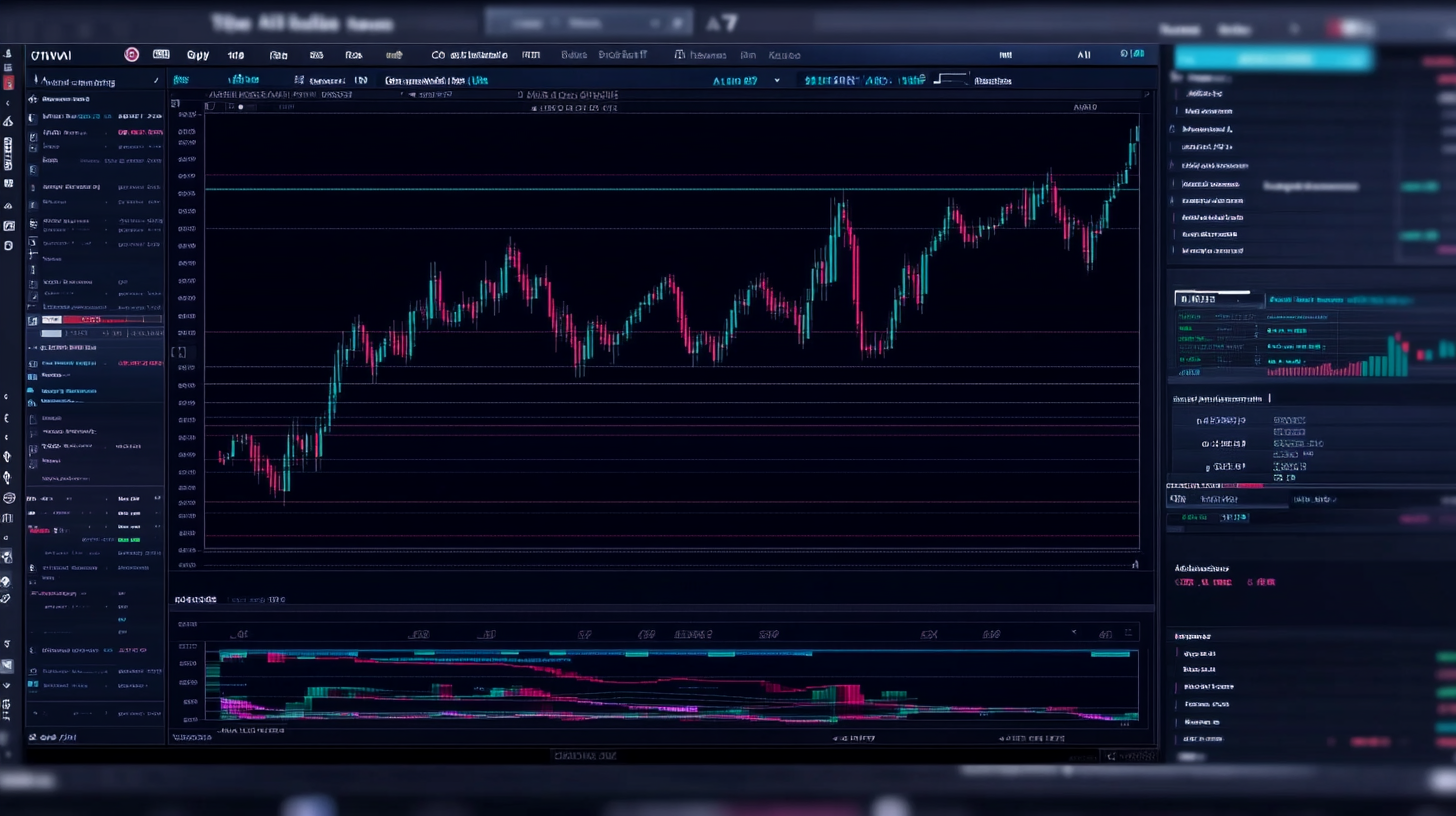
On desktop, the WebTrader loaded reliably across repeated sessions and kept the essentials close: market watch, positions, margin, and a clear ticket with stop-loss and take-profit fields. I placed a test EUR/USD order around the London open and saw stable execution without a requote loop; spreads behaved as expected for the account tier selected. The limitation is ecosystem depth—if your workflow depends on MT4/MT5 expert advisors, custom indicators, or third-party bridges, you’ll feel the ceiling of a proprietary environment.
Polar Zinsmere App: Mobile Trading Experience
The Polar Zinsmere app is positioned for monitoring and fast risk actions rather than heavy chart work: real-time quotes, one-tap close, and position editing were all accessible within a couple of screens. Polar Zinsmere login supported biometric unlock on my device, which is the right direction for account hygiene. Deposits and withdrawals were reachable in-app, and push notifications for price moves/margin levels were available, though I’d prefer more granular alert conditions for active traders.
Charting, Tools & Research
Charting delivered the core toolset—multiple timeframes, common indicators (MA, RSI, MACD, Bollinger), and straightforward drawing tools for levels and trendlines. An embedded economic calendar and a news feed covered the big macro catalysts, which is useful in a world where central bank path-dependence can swing indices and FX in minutes. Still, compared with MT5/cTrader-style research ecosystems, analysis here is “good enough for execution,” not a full decision-support suite.
Polar Zinsmere Account Opening & Minimum Deposit
Before I could place meaningful size, the onboarding flow steered me through an email/phone confirmation and a short profile covering experience and funding source—standard AML hygiene. KYC required a government-issued photo ID plus proof of address (I used a bank statement dated within three months), and approval landed the same business day. The registration screens were uncluttered, but the compliance checkpoints were clear enough that you understand what will be needed later.
- Minimum Deposit: $200 (Polar Zinsmere minimum deposit in my test account setup)
- Funding Methods: Visa/Mastercard, bank wire, regional e-wallets, and crypto (BTC, USDT)
- Demo Account: $10,000 virtual balance for platform familiarisation and basic strategy checks
- Account Types: Standard (spread-only) and Pro/Raw/ECN-style (tighter spreads + commission)
Funding confirmation for my card deposit appeared quickly in the ledger, and the platform defaulted to USD as the base currency option at setup, so non-USD clients should watch conversion spreads. As ever, assume the tightest controls apply at the point of withdrawal, not at the point of marketing.
Polar Zinsmere Customer Support Review
Support is where smaller offshore brokers often trip up, so I tested it with a practical question: how swaps are calculated on gold when rolling through Wednesday triple-swap. Live chat came back in roughly three minutes with a clear explanation and pointed me to the contract specs; the reply was not perfect, but it was coherent. I followed up by email asking about withdrawal timing after KYC completion and received a ticket response in about nine hours, consistent with a 24/5 desk rather than a weekend-staffed operation.
Coverage ran across live chat, email, and a contact form, with service centred on trading-week hours (24/5) rather than full 24/7. Language support looked region-dependent, and I didn’t see a universally advertised phone line—fine for routine queries, less ideal if you value voice escalation. Relative to the segment, it’s adequate: you get answers, but you’re not dealing with an institutional prime brokerage helpdesk.
Ready to Explore Polar Zinsmere?
If you’re considering this broker, I’d treat the first week as a due-diligence sprint: run the demo, then place small live trades across a calm session and a news window to see how spreads and fills behave. Confirm your funding and withdrawal rail before scaling.
Polar Zinsmere Review FAQ
Is Polar Zinsmere good for beginners?
Yes, it can work for beginners who keep sizing small and use the $10,000 demo first. The interface is relatively clean, but the available leverage up to 1:500 is not beginner-friendly unless you actively control margin. New traders should prioritise risk limits over instrument-hopping.
Can I trade crypto on Polar Zinsmere?
Yes, crypto CFDs are available, with BTC/USD and ETH/USD as the main contracts and a smaller set of large-cap alternatives. Remember you’re trading CFDs rather than owning coins, so there’s no on-chain transfer or wallet functionality. Weekend pricing can widen when liquidity thins.
Is Polar Zinsmere a scam?
No, my operational checks didn’t resemble a classic “Polar Zinsmere scam” pattern—accounts funded, trades executed, and KYC was enforced before withdrawals. The real caution is structural: offshore registration offers fewer formal protections than Tier‑1 regulators. Treat it as a higher-risk venue and manage exposure accordingly.
Is Polar Zinsmere available in the USA?
No, it’s not offered to US residents. The platform flags restricted jurisdictions during the onboarding and eligibility checks are reinforced at KYC. If you’re US-based, you’ll need a locally compliant broker.
How long does a Polar Zinsmere withdrawal take?
A Polar Zinsmere withdrawal typically moves after 24–48 hours of internal processing once KYC is complete. Receipt time depends on the rail: cards often take 2–5 business days, wires 3–7 business days, and crypto can arrive the same day. Weekends and intermediary banks can stretch timelines.
What is the Polar Zinsmere minimum deposit?
The Polar Zinsmere minimum deposit is $200 on the account type I opened. That level is accessible, but it’s still enough to get into trouble if you use maximum leverage without stops. If you’re testing, fund what you can afford to lose.
Does Polar Zinsmere have a mobile app?
Yes, there are iOS and Android apps alongside the WebTrader. The mobile build covers core actions—quotes, order placement, and account funding/withdrawal access—with biometric support on compatible devices. For intensive analysis, the desktop charting remains more comfortable.
Final Verdict: Should You Use Polar Zinsmere in 2026?
Overall Score: 3.9/5
In a market still defined by rate-path uncertainty and violent repricing around data prints, the main attraction here is simple: flexible leverage and a credible raw pricing option for traders who actually measure execution costs. Polar Zinsmere delivered a stable proprietary platform, a respectable multi-asset CFD list, and a withdrawal flow that behaved normally once KYC was satisfied. The counterweight is jurisdictional—offshore registration under the Seychelles FSA doesn’t provide the same investor backstops as Tier‑1 regulators. If you proceed, keep position sizing tight; CFDs are leveraged and capital is at risk. For the full breakdown, revisit Polar Zinsmere.
Best for: active CFD traders who want a raw-spread + commission option and can self-manage risk. Avoid if: you require Tier‑1 regulation, compensation schemes, or low leverage by default.