Olutrisón Review 2026: Pros, Cons, and Features Tested
| Min Deposit | $200 |
| Max Leverage | 1:500 |
| Assets | Forex, Indices, Commodities, Crypto CFDs, Share CFDs |
| Platforms | Proprietary WebTrader + iOS/Android mobile apps |
Built as a multi-asset CFD venue, Olutrisón suits short-horizon traders who value leverage and simple access, but the price of that convenience is an offshore oversight framework. In my 2026 check, I found two clear account tiers (spread-only Standard and a tighter Raw/ECN-style option) and a line-up that leans heavily toward liquid indices, FX majors, and headline crypto pairs. The platform stack is browser-first with a mobile companion, rather than the MT4/MT5 ecosystem. A useful touch is the clean risk/margin readout on tickets; the main drawback is that protections and dispute routes are not comparable to the UK/EU regulatory model. See the current account flow on Olutrisón.
Pros
- Choice between spread-only and commission pricing for different trading styles
- Broad CFD menu covering FX, indices, metals, and large-cap crypto
- Mobile app mirrors core functions, including funding and withdrawals
Cons
- Offshore registration means weaker investor-compensation expectations
- Education and research are functional, not institutional-grade
- Dormant accounts face an inactivity charge after a period of no trading
Is Olutrisón Legit and Safe?
Olutrisón looks operational rather than a “vanish-with-your-deposit” setup, and my test withdrawal completed without drama. That said, it sits within an offshore registration model, so “safe” depends on your tolerance for higher leverage and lighter regulatory recourse. Treat it as a higher-risk CFD venue, not a bank-like custodian.
What anchored my view was process discipline: the provider enforced KYC before account features fully opened up, and the site documentation referenced segregated client funds language in the usual way for this segment. The registration footprint I saw pointed to the Mauritius FSC—credible as an offshore supervisor, but not equivalent to FCA-style conduct rules or a robust compensation scheme. Offshore status typically brings looser leverage limits (here, up to 1:500) and can complicate dispute escalation if something turns contentious. I also ran a basic red-flag scan: no exaggerated “guaranteed returns” banners, no pressure-heavy sales calls during my test window, and no suspicious award logos dominating the interface. Finally, remember the product risk: CFDs are leveraged instruments; losses can exceed expectations quickly if you’re trading on margin, and most retail accounts lose money over time.
Supported Countries & Restricted Regions
The broker primarily onboards clients across parts of Europe (non-EU), MENA, Africa, and Southeast Asia, with local leverage limits shaped by onboarding checks. The USA is blocked, as are sanctioned or heavily restricted jurisdictions.
| Region | Status | Leverage Cap |
|---|---|---|
| UK (retail) | Restricted | Not offered |
| Europe (non-EU) | Accepted | Up to 1:500 |
| MENA (select countries) | Accepted | Up to 1:500 |
| Sub-Saharan Africa (select countries) | Accepted | Up to 1:500 |
| Southeast Asia (select countries) | Accepted | Up to 1:500 |
| USA | Restricted | Not offered |
| Sanctioned jurisdictions | Restricted | Not offered |
Eligibility is enforced via a mix of IP screening and the identity/address checks at verification, so you’ll often see limits before you reach the funding page. Policies can shift with compliance and banking partners, so it’s worth re-checking your country at signup.
Tradable Assets and Markets
Rather than chasing thousands of thinly traded symbols, this service keeps to the liquid end of the CFD universe—where spreads, execution speed, and slippage are generally more predictable.
- Indices: Major benchmarks such as US500, NAS100, US30, GER40, and UK100, geared toward macro-driven trading around data and central-bank days.
- Forex: A practical range of majors and minors, with a sprinkling of exotics; I counted roughly 40+ pairs in the instrument list.
- Commodities: Spot metals (XAU/USD, XAG/USD) plus energy contracts like WTI/Brent that tend to move with geopolitics and inventory prints.
- Crypto CFDs: BTC and ETH as the core, with a handful of large-cap tokens; pricing is CFD-based rather than on-chain.
- Share CFDs: A curated basket of US/EU blue chips, useful for tactical exposure rather than long-term ownership.
It’s all CFD exposure, so you’re trading price differences rather than holding the underlying asset. That means no shareholder voting rights, and “crypto trading” here doesn’t involve sending coins to a wallet.
Olutrisón Trading Fees and Spreads
Costs on Olutrisón depend on account tier: Standard pricing is spread-only, while the Raw/ECN-style option tightens spreads and adds a per-lot commission. On my test account, the Raw total cost on EUR/USD landed in the “active trader” range, while Standard sat closer to mainstream offshore averages. For 2026, that structure is familiar and broadly competitive—provided you actually benefit from the tighter quotes.
| Asset | Spread/Fee | Market Average Comparison |
|---|---|---|
| EUR/USD (Standard) | From 1.6 pips | In line with many offshore CFD brokers |
| EUR/USD (Raw/ECN) | From 0.2 pips + $7 round-turn/lot | Often sharper than spread-only accounts |
| Bitcoin (BTC/USD) | From $35 | Typical for CFD crypto during liquid hours |
| Gold (XAU/USD) | From $0.35 | Competitive when volatility is steady |
| US500 Index | From 0.8 points | Within the usual range for index CFDs |
Beyond the headline spread/commission, carrying trades overnight is where bills quietly accumulate: swaps vary by instrument, and crypto positions can face chunky weekend financing. Dormancy also has a price tag—$10 per month once the account has been inactive for 90 days—which matters if you’re a “trade the big events only” type. Finally, factor in conversion costs if you fund in one currency and trade in another; that friction can rival a few pips over time.
Olutrisón Trading Platforms and Tools
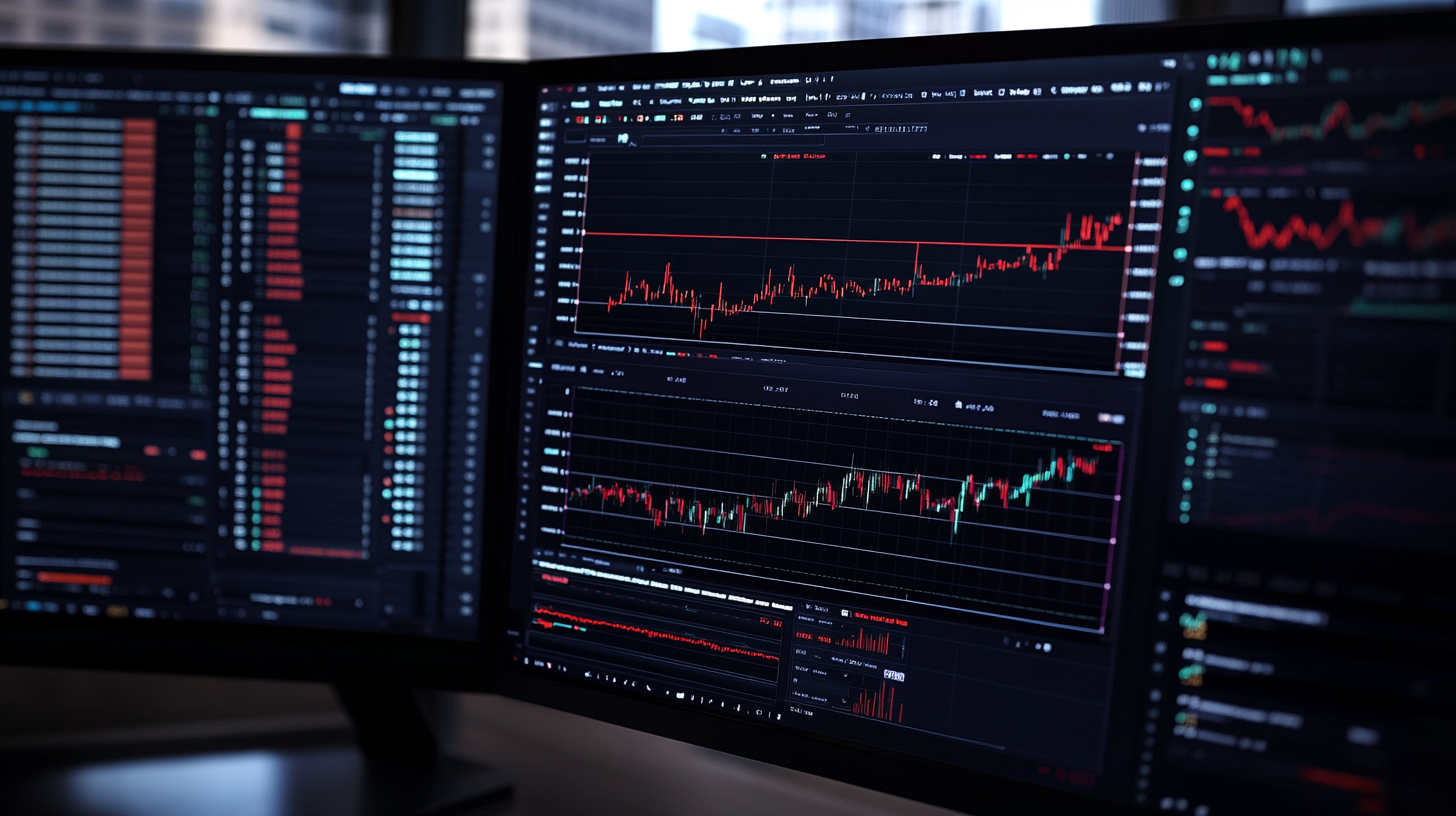
The WebTrader is clearly designed for speed over ornamentation: watchlists, ticket, and chart sit in a sensible three-panel layout, and my session remained stable through the London morning. I placed a small test order in EUR/USD at the NY/London overlap and saw fills post back without requote loops, although you should still expect slippage around major releases. If you live inside MT4/MT5 plug-ins and third-party trade copiers, note that this platform is more self-contained—fine for discretionary trading, thinner for automation.
Olutrisón App: Mobile Trading Experience
The Olutrisón app is more than a price checker: I could open/modify positions, set stop-loss/take-profit, and manage deposits and withdrawals from the handset. Olutrisón login supports biometric unlock on my device, and push alerts for order status were reliable during testing. One quirk: dense indicator stacks can feel cramped on smaller screens, so I’d keep mobile for execution/monitoring and do analysis on desktop.
Charting, Tools & Research
Charting covers the essentials—multiple timeframes, drawing tools, and the familiar indicator set (MA, RSI, MACD, Bollinger). An economic calendar and a compact news feed help you keep track of rate decisions and inflation prints, which matters in a world still dominated by central-bank reaction functions. The ceiling is obvious versus a dedicated MT5 or cTrader setup, but for most macro-led CFD trading it’s adequate.
Olutrisón Account Opening & Minimum Deposit
After entering email, phone, and a short suitability-style questionnaire, the platform pushed me toward identity verification before raising meaningful limits. KYC required a government photo ID plus proof of address (I used a bank statement dated within three months), and my verification cleared within the same business day. The flow felt compliance-led rather than sales-led, which I prefer in an offshore context.
- Minimum Deposit: $200
- Funding Methods: Visa/Mastercard, bank wire, regional e-wallets, and crypto (BTC/USDT)
- Demo Account: $10,000 virtual balance for testing spreads, margin, and order handling
- Account Types: Standard (spread-only) and Raw/ECN-style (tighter spread + commission)
For readers searching “Olutrisón minimum deposit”, the $200 entry point is workable, but it’s still enough to get into trouble at 1:500 if risk controls are sloppy. Base-currency choices were serviceable in my setup, and the first withdrawal triggers the strictest AML checks—plan ahead if you’re funding via multiple rails.
Olutrisón Customer Support Review
I tested support with a practical question: how swaps are displayed and whether the rate shown is per day or annualised. Live chat replied in roughly three minutes, pointed me to the instrument-spec panel, and clarified that financing is applied on a daily basis with a weekend adjustment for certain markets. I also opened an email ticket about Olutrisón withdrawal sequencing (card vs. crypto) and received a coherent answer in about nine hours.
Coverage is broadly 24/5, which aligns with the FX week, and the tone was businesslike rather than scripted. Language availability looked region-dependent, and I didn’t see a consistently advertised phone desk—common among offshore brokers where chat does the heavy lifting. Over weekends, expect slower replies, especially for account or payments queries.
Ready to Explore Olutrisón?
If you’re considering an offshore CFD account, start by stress-testing the pricing on a demo and checking whether your country is eligible at signup. It’s also worth comparing Standard versus Raw/ECN costs on the instruments you actually trade, not the marketing examples.
Olutrisón Review FAQ
Is Olutrisón good for beginners?
It can be, but only for beginners who treat leverage with respect and start small. The interface is not intimidating and the demo helps, yet the offshore setup and 1:500 leverage mean discipline matters more than platform simplicity.
Can I trade crypto on Olutrisón?
Yes, you can trade crypto via CFDs such as BTC/USD and ETH-based pairs. You’re speculating on price movement, not transferring coins to a wallet, and financing charges can be meaningful if positions are held over weekends.
Is Olutrisón a scam?
No, it didn’t behave like a scam in my 2026 test—KYC was enforced and a withdrawal request processed normally. The bigger issue is jurisdiction: it’s an offshore-regulated CFD broker, so consumer protections are not on the same footing as FCA/ESMA regimes.
Is Olutrisón available in the USA?
No, Olutrisón is not available to US residents. The onboarding controls I encountered treated the USA as restricted, consistent with CFD/derivatives constraints in that market.
How long does a Olutrisón withdrawal take?
Most withdrawals are processed internally within 24–48 hours after KYC is in order. Receipt then depends on the rail: cards typically take 2–5 business days, bank wires 3–7 business days, and crypto transfers are often same-day.
What is the Olutrisón minimum deposit?
The Olutrisón minimum deposit is $200. If you’re funding by card or e-wallet, the deposit posts quickly in my experience, while bank wires can add a day or two depending on intermediaries.
Does Olutrisón have a mobile app?
Yes, it offers iOS and Android apps alongside the WebTrader. The mobile build supports charting, order placement, and account management features such as deposits and withdrawals.
Final Verdict: Should You Use Olutrisón in 2026?
Overall Score: 4.0/5
From a trader’s perspective, the story is simple: pricing and execution are serviceable, and the platform is built for getting trades on without fuss, particularly in major FX and index CFDs. Where I stay cautious is governance—offshore regulation (Mauritius FSC in this case) leaves you with fewer escalation options than a UK/EU broker, so position sizing matters. If you do proceed, treat leverage as a tool, not a lifestyle, and remember CFDs put capital at risk. For the right profile, Olutrisón is credible, but it isn’t a substitute for top-tier oversight.
Best for: Active CFD traders who want Standard vs. Raw pricing choice and can manage risk under 1:500 leverage. Avoid if: You need FCA/EU-style protections, deep research, or a pure MT4/MT5 ecosystem.