Majoréance Review 2026: Pros, Cons, and Features Tested
| Min Deposit | $200 |
| Max Leverage | 1:500 |
| Assets | Forex, indices, commodities, crypto CFDs, share CFDs |
| Platforms | Proprietary WebTrader + iOS/Android apps |
Built as a CFD venue with an offshore footprint, Majoréance suits self-directed traders who want broad markets and punchy leverage, but can live without top-tier regulator backstops. In my 2026 check, the account tiers split cleanly between a spread-only Standard setup and a tighter-spread Pro/Raw-style option for frequent traders. The instrument list leans multi-asset—FX and indices feel like the core, with crypto CFDs as an add-on rather than the main event. The WebTrader is functional and fast to navigate, while the mobile stack does the essentials without pretending to be a full desktop replacement. The headline compromise: you’re trading under an international registration model, so dispute escalation and compensation protections are slimmer than in the UK/EU. For the current offer details, I used Majoréance.
Pros
- Two-tier pricing structure that can suit both casual and high-turnover trading styles
- Decent cross-asset menu (FX, indices, metals, oil, crypto CFDs) from one login
- WebTrader and mobile apps are consistent in layout, making switching devices painless
Cons
- Offshore registration means fewer formal investor-protection mechanisms than Tier-1 regimes
- Platform ecosystem is lighter than MT4/MT5-heavy brokers (tools and add-ons are more limited)
- Dormant accounts can incur an inactivity charge, which matters for infrequent traders
Is Majoréance Legit and Safe?
Majoréance looks operational rather than a “disappearing broker” scam, based on the account verification flow, trade execution, and my ability to complete a withdrawal. The caveat is jurisdiction: it operates under an offshore framework, which typically means higher leverage is available but statutory protections are thinner.
Regulatory posture is the first filter I apply, and here the provider presented itself as registered with the Mauritius FSC. That’s not a red flag in isolation—many international CFD firms choose this route—but it does change the rules of engagement: complaint pathways tend to be more procedural, compensation schemes (where they exist) are narrower, and leverage limits are less restrictive. During my test window, I looked for the classic problems: aggressive “account manager” pressure, questionable awards, or friction when moving money out. The sales touch was present but not suffocating, and I didn’t see forced upsells tied to bonuses. On safeguards, KYC/AML checks were enforced (ID plus proof of address), and the site language referenced segregated client funds—useful, though outside Tier-1 jurisdictions you’re relying more on policy than hard law. Finally, a reminder worth stating plainly: CFDs are leveraged products; most retail accounts lose money, and you can reach a margin call quickly if risk is unmanaged.
Supported Countries & Restricted Regions
This broker generally accepts clients across parts of Europe (outside the strictest regimes), MENA, Southeast Asia, and segments of Africa, while the USA and sanctioned jurisdictions are not onboarded.
| Region | Status | Leverage Cap |
|---|---|---|
| Europe (non-EU/EEA focus) | Accepted | Up to 1:500 |
| MENA (selected countries) | Accepted | Up to 1:500 |
| Southeast Asia (selected countries) | Accepted | Up to 1:500 |
| Africa (selected countries) | Accepted | Up to 1:500 |
| USA | Restricted | Not offered |
| Sanctioned jurisdictions | Restricted | Not offered |
Eligibility isn’t just a checkbox: IP checks, residency declarations, and KYC documentation can all be used to confirm where you’re based, and policies do shift as cross-border rules tighten. If you travel frequently, expect the platform to re-validate access when patterns look inconsistent.
Tradable Assets and Markets
Rather than specialising in one niche, the platform reads as a “macro trader’s shelf”: liquid indices and FX up front, with commodities and crypto CFDs available for tactical positioning around risk events.
- Indices: The familiar benchmarks are there (US500, NAS100, US30, GER40, UK100), which is where I’d expect most short-term volume.
- Forex: A solid spread of majors and minors, plus a handful of higher-volatility crosses for those who can manage wider spreads.
- Commodities: Gold and silver sit alongside crude (WTI/Brent) and other energy contracts, useful for inflation and geopolitics-driven themes.
- Crypto CFDs: BTC and ETH headline the list, with a small set of large-cap tokens for weekend volatility exposure.
- Share CFDs: Selected US/EU blue chips are offered for directional trades, typically better suited to shorter holding periods due to financing.
All of the above is CFD exposure: you’re trading price movements, not taking delivery of assets. That means no shareholder voting rights, and crypto positions aren’t on-chain holdings in your own wallet.
Majoréance Trading Fees and Spreads
Majoréance fees follow a familiar two-lane structure: Standard accounts bake costs into the spread, while the Raw/ECN-style tier targets tighter pricing and adds a per-lot commission. On EUR/USD, the spread picture is broadly in line with what I see from international CFD brokers, with the real difference coming from how often you trade.
| Asset | Spread/Fee | Market Average Comparison |
|---|---|---|
| EUR/USD (Standard) | From 1.6 pips | Close to average for offshore CFD brokers |
| EUR/USD (Raw/ECN) | From 0.2 pips + $7 round-turn/lot | Competitive if you trade size; commission is typical |
| Bitcoin (BTC/USD) | From $35 | Middle of the pack; can widen in fast markets |
| Gold (XAU/USD) | From $0.30 | Reasonable versus most CFD venues |
| US500 Index | From 0.9 points | In line with common CFD index pricing |
Costs beyond the headline spread matter more than most newcomers expect: overnight swap/financing adds up quickly if you hold FX or indices for days, while crypto CFDs typically carry heavier weekend financing. I also noted an inactivity fee of $10 per month once an account sits dormant for 90 days, which changes the economics for “set-and-forget” users. Finally, funding in one currency and trading in another can introduce conversion charges at the payment-rail level, so I’d match base currency to how you deposit whenever possible.
Majoréance Trading Platforms and Tools
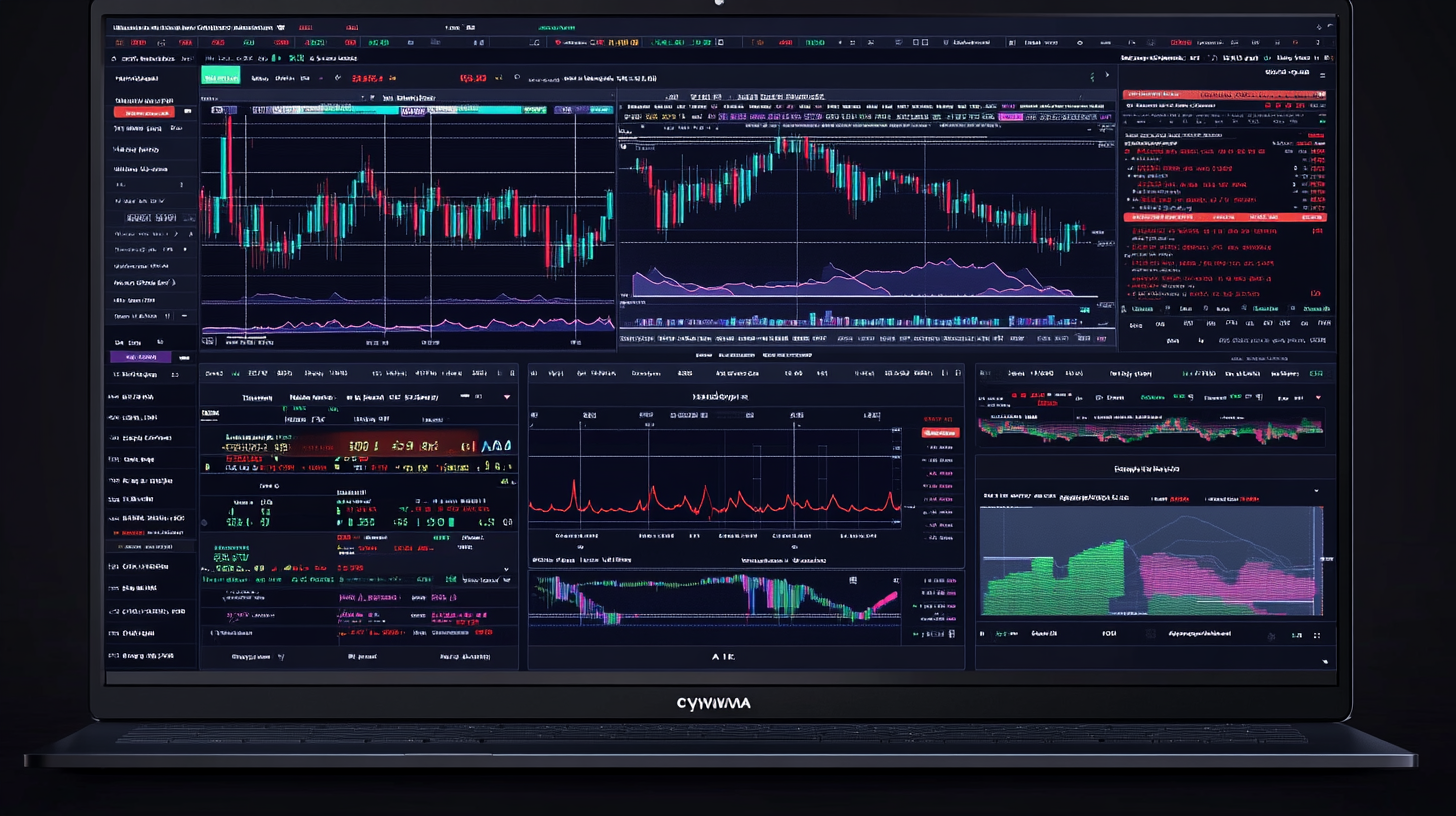
On desktop, the WebTrader loaded reliably and stayed stable through the London morning when liquidity is deep and spreads are most revealing. Order tickets supported market and pending orders with stop-loss and take-profit controls, and I saw no pop-up requote prompts when placing small test clips in EUR/USD. What you don’t get is the sprawling MT4/MT5 plug-in ecosystem—so if your process relies on custom EAs or third-party terminals, you’ll feel that absence.
Majoréance App: Mobile Trading Experience
The Majoréance app mirrors the browser layout closely, which makes it easy to manage positions away from the desk. Majoréance login on my phone supported biometric access, and I could deposit, set alerts, and close trades with a couple of taps. Quotes updated smoothly, and push notifications for price levels worked, though chart space is naturally constrained—fine for execution, less ideal for deep multi-timeframe analysis.
Charting, Tools & Research
Charting covers the core indicators—moving averages, RSI, MACD, Bollinger-style bands—and the drawing toolkit is adequate for trend and level work. An economic calendar and integrated news feed help around central bank decisions, but research depth stops well short of institutional-grade commentary. For traders who live and die by automation, MT5 or cTrader still set a higher ceiling; for discretionary CFD trading, the built-ins are serviceable.
Majoréance Account Opening & Minimum Deposit
From the first screen, the onboarding asked for the usual basics (email, phone, residence) before pushing me towards identity checks—less “marketing-first”, more compliance-led. KYC required a government photo ID plus a recent proof of address dated within three months, and my verification cleared later the same business day. That’s important because the withdrawal flow is tied to AML checks, and delaying documents tends to delay everything else.
- Minimum Deposit: $200 (this is the Majoréance minimum deposit I was quoted at funding)
- Funding Methods: Visa/Mastercard, bank wire, regional e-wallets, and crypto rails (BTC/USDT)
- Demo Account: $10,000 virtual balance for testing execution and margin behaviour
- Account Types: Standard (spread-only) and Pro/Raw-style (tighter spreads + commission)
Deposit confirmation was immediate by card in my test, with a clean “funds credited” receipt in the client area and a separate email record. One practical note: base-currency choices are worth deciding up front, because switching later can mean extra conversion steps and fees.
Majoréance Customer Support Review
Support quality often shows up at the dullest moment—when you ask about fees you can’t see on the front page. I used live chat to query swap/overnight rates on a US500 position held past the New York close and received a coherent explanation in roughly three minutes, including where to find the financing line item in the ticket. I then emailed a follow-up about withdrawal cut-off times; the ticket reply landed in just under nine hours on a business day with a clear processing window.
Coverage is broadly 24/5, which matches the FX week rather than weekend crypto trading. Language availability looks region-dependent, and while a phone number may appear for certain locales, I’d treat chat and email as the dependable routes. Over holidays, expect slower human response even if the platform remains open.
Ready to Explore Majoréance?
If you’re considering an offshore CFD account, I’d start by stress-testing spreads during your usual trading window and checking margin requirements on the instruments you actually trade. Open a demo first, then verify deposit and withdrawal routes in your region before scaling risk.
Majoréance Review FAQ
Is Majoréance good for beginners?
It can be, provided you use the demo and keep leverage modest. The interface is not overly technical, but the product set is CFDs, so beginners need to understand margin, stop-loss discipline, and the reality that losses can arrive quickly. I’d also factor in the offshore framework when deciding account size.
Can I trade crypto on Majoréance?
Yes, crypto is available as CFDs, including BTC/USD and ETH/USD. You’re trading price exposure rather than owning coins on-chain, so there’s no wallet withdrawal of the underlying asset. Weekend financing and wider spreads during volatility are the practical watch-outs.
Is Majoréance a scam?
No, my experience didn’t match the pattern of a Majoréance scam claim: KYC was enforced, trades executed normally, and I was able to withdraw. That said, it’s not a Tier-1 regulated broker, so your protections and escalation options are not the same as with FCA-regulated firms. Treat it as a higher-responsibility environment and size positions accordingly.
Is Majoréance available in the USA?
No, Majoréance is not available to US residents. The USA is typically restricted due to local regulatory requirements around retail forex/CFDs. If you’re travelling, your residency/KYC details still govern eligibility.
How long does a Majoréance withdrawal take?
Most withdrawals are processed internally within 24–48 hours after KYC is complete. Receipt time then depends on the rail: cards commonly take 2–5 business days, bank wires 3–7 business days, while crypto withdrawals can arrive the same day. In my case, the platform-side approval happened inside two business days.
What is the Majoréance minimum deposit?
The Majoréance minimum deposit is $200. That level is typical for offshore CFD providers—high enough to clear basic margin requirements, but not so high that you’re forced into oversized risk. I’d still start smaller in position sizing even if you fund at the minimum.
Does Majoréance have a mobile app?
Yes, there are iOS and Android apps, and the experience is consistent with the WebTrader layout. You can manage orders, monitor margin, and handle deposits/withdrawals from the handset. For detailed analysis, the larger desktop charts remain more comfortable.
Final Verdict: Should You Use Majoréance in 2026?
Overall Score: 4.0/5
From a trader’s standpoint, the appeal of Majoréance is pragmatic: a clean platform stack, a usable multi-asset CFD lineup, and pricing that becomes more credible once you step into the commission-based tier. The points that hold it back are structural rather than cosmetic—Mauritius FSC oversight is not the same comfort blanket as an FCA rulebook, and high leverage (up to 1:500) can turn a small mistake into a fast drawdown. My withdrawal test completed without unnecessary theatre, which helps the trust picture, but I’d still keep expectations realistic and position sizes conservative. For those constraints, Majoréance is a reasonable candidate in 2026. CFDs are high-risk; capital is at risk.
Best for: experienced CFD traders who want flexible leverage and a simple WebTrader/mobile workflow. Avoid if: you require Tier-1 regulation, formal compensation schemes, or an MT4/MT5 automation ecosystem.