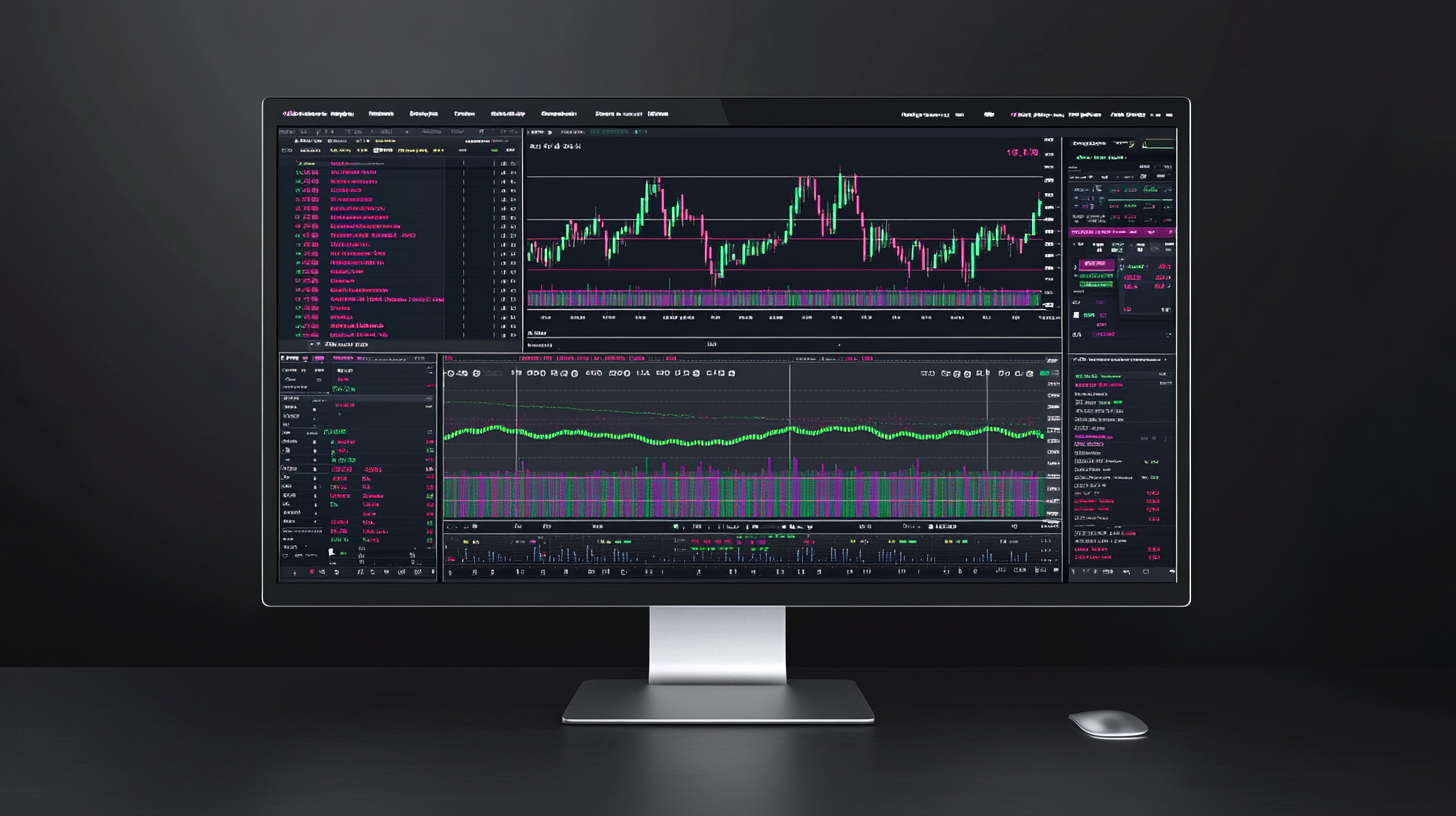
Handel AI Review 2026: Pros, Cons, and Features Tested
| Min Deposit | $200 |
| Max Leverage | 1:500 |
| Assets | Forex CFDs, indices, commodities, crypto CFDs, share CFDs |
| Platforms | Proprietary WebTrader, iOS/Android mobile apps |
Designed for speculative CFD traders who value leverage and a multi-asset menu, Handel AI suits confident self-directed users—but the headline trade-off is an offshore framework with lighter investor backstops. Across my test, the platform presented a two-tier structure (spread-only and Raw/ECN-style), with pricing that can be competitive when you know your way around commissions. The instrument list leans practical: majors, key indices, metals, and the large-cap crypto names most retail traders actually use. The proprietary WebTrader is clean and functional, and the mobile build is usable for monitoring and order management. The main drawback is the absence of a Tier‑1 regulator, which matters when disputes arise and when leverage is high. For the platform flow and current specs, see Handel AI.
Pros
- Two pricing tracks (Standard and Raw/ECN-style) to suit different turnover levels
- Broad CFD coverage across FX, indices, metals, and headline crypto pairs
- Mobile and WebTrader experience is consistent, with solid day-to-day usability
Cons
- Offshore registration means weaker escalation routes than FCA/ASIC-style regimes
- Education and research are serviceable, not institutional-grade
- Inactivity charge applies after a period of dormancy, which can bite casual users
Is Handel AI Legit and Safe?
Based on my account test and a completed withdrawal, I’d class this broker as operational rather than a “Handel AI scam.” That said, it runs under an offshore model, so “safe” depends more on your own risk controls than on strong statutory protections.
The registration I observed points to Mauritius FSC oversight, which is common in the high-leverage CFD segment and very different from the UK’s FCA rulebook. In practice, that can mean fewer compensation avenues, less formal dispute handling, and a heavier reliance on the firm’s own procedures—particularly around margin calls and execution complaints. I looked specifically for red flags: aggressive sales nudges, “guaranteed returns” language, or dubious award badges. None of that dominated the onboarding or dashboard, and KYC was enforced (ID plus proof of address) before withdrawal approval, which is at least consistent with AML norms. The broker also referenced segregated client funds in its legal pages, though offshore clients should treat this as a policy claim rather than a statutory guarantee. Finally, remember the product risk: CFDs are leveraged instruments, and most retail accounts lose money—only risk capital you can afford to lose.
Supported Countries & Restricted Regions
This service takes clients across a wide set of international regions, with the notable exception of the USA and sanctioned jurisdictions. Availability is best described as “broad, but not universal,” with local rules influencing leverage and onboarding.
| Region | Status | Leverage Cap |
|---|---|---|
| UK & non-EU Europe (where permitted) | Accepted | Up to 1:500 |
| Latin America | Accepted | Up to 1:500 |
| MENA (non-sanctioned) | Accepted | Up to 1:500 |
| Southeast Asia (where permitted) | Accepted | Up to 1:500 |
| USA | Restricted | Not offered |
| Sanctioned jurisdictions | Restricted | Not offered |
Eligibility is checked via a mix of IP/location controls and KYC details; in my case, the system flagged residency fields early in the signup flow. Policies can tighten quickly when regulators update guidance, so it’s worth re-checking if you relocate or change nationality documents.
Tradable Assets and Markets
Rather than chasing thousands of obscure tickers, the platform focuses on a tradable core set that suits macro-driven retail flow: FX pairs, major indices, and the global “risk barometer” instruments that move on central bank narratives.
- Indices: Benchmark contracts such as US500, NAS100, UK100, and GER40 for trading the broader risk cycle and earnings sentiment.
- Forex: A solid spread of majors and minors (think EUR/USD, GBP/USD, USD/JPY), plus a smaller set of exotics for those who can price the risk.
- Commodities: Gold and silver sit alongside energy contracts such as WTI/Brent, useful for inflation and geopolitics-led positioning.
- Crypto CFDs: BTC and ETH headline the offering, with a handful of large-cap coins typically available for short-term volatility trading.
All exposure here is via CFDs, not cash ownership. That means no shareholder voting rights on equities and no on-chain withdrawals for crypto; you’re trading price movements with margin, spreads, and financing costs in the mix.
Handel AI Trading Fees and Spreads
Costs on Handel AI depend on the account tier: Standard pricing is built into the spread, while the Raw/ECN-style option tightens the spread and adds a per-lot commission. On my test account, total FX trading costs landed broadly in line with offshore CFD peers, with the Raw tier making more sense once frequency rises.
| Asset | Spread/Fee | Market Average Comparison |
|---|---|---|
| EUR/USD (Standard) | From 1.4 pips | Around average for offshore CFD brokers |
| EUR/USD (Raw/ECN) | From 0.2 pips + $7 round-turn/lot | Competitive if you trade size or scalp |
| Bitcoin (BTC/USD) | From $35 | Typical; can widen sharply in volatility |
| Gold (XAU/USD) | From $0.30 | Slightly better than average at quiet times |
| US500 Index | From 0.8 points | In line with the segment |
Beyond spreads/commission, the slow bleed comes from financing and frictional charges: swaps apply on overnight FX and metals positions, and crypto CFDs often carry weekend financing that adds up for holders. I also noted an inactivity fee of $10 per month after 90 days without trading, which is easy to overlook if you park the account. Withdrawals can be fee-free on the broker side depending on method, but card processors and banks may still clip you, and currency conversion costs matter if you fund in a different base than your account. For a current breakdown of Handel AI fees as displayed in the client portal, check the “Costs” panel after login.
Handel AI Trading Platforms and Tools
On desktop, the proprietary WebTrader held up well across multiple sessions, including the London open where spreads and liquidity regimes change quickly. Login remained stable, charts loaded without stuttering, and I had the essential order controls: market, limit, stop, plus editable SL/TP from the position line. What you don’t get—at least from what I could verify—is the vast MT4/MT5 plug-in ecosystem; if your edge relies on third-party EAs or bespoke indicators, that’s a meaningful gap.
Handel AI App: Mobile Trading Experience
The Handel AI app mirrors the web layout closely, which reduces the learning curve when you bounce between screens. I used biometric unlock on iOS, checked live quotes, and placed a small NAS100 order with one-tap position close enabled. Deposit and withdrawal navigation is accessible from the same wallet area, and push notifications covered margin usage and order status. The only irritation I hit was occasional chart tool “stickiness” when drawing trendlines; it’s workable, but power users may notice it. For users searching “Handel AI login,” the in-app route is direct and doesn’t bury security prompts.
Charting, Tools & Research
Tools are functional rather than fancy: an economic calendar, a news feed, and a familiar indicator set (RSI, MACD, moving averages, Bollinger bands) cover most retail workflows. Watchlists are easy to build, and price alerts are sufficient for monitoring event risk. Still, the research layer won’t replace a dedicated analytics suite—think of it as a trading cockpit, not a Bloomberg terminal.
Handel AI Account Opening & Minimum Deposit
Before I even looked at spreads, I paid attention to the compliance trail: the signup asked for standard identity details, and KYC required a government-issued photo ID plus a proof of address dated within three months. Verification cleared later the same business day, and the portal showed an AML checklist that had to be completed before withdrawal approval. Funding was presented immediately after registration, but the system still nudged me to finish document upload—an encouraging sign from a controls perspective.
- Minimum Deposit: $200
- Funding Methods: Visa/Mastercard, bank wire, regional e-wallets, and cryptocurrencies (BTC, USDT)
- Demo Account: $10,000 virtual balance for testing execution and platform layout
- Account Types: Standard (spread-only) and Raw/ECN-style (tighter spreads plus commission)
The “Handel AI minimum deposit” is pitched at $200, which keeps the entry bar reasonable but still meaningful enough to discourage pure dabbling. Account currency choices were typical (USD-led), and the platform encouraged finishing KYC early rather than waiting until a first withdrawal—something I generally prefer when assessing operational seriousness.
Handel AI Customer Support Review
To test support in a way that actually matters, I asked live chat how swaps are calculated on gold and whether triple-swap applies on specific weekdays. A human agent replied in roughly three minutes with a clear pointer to the contract spec page and a note on server time cut-offs. I then followed up by email requesting withdrawal rails and minimums; that response landed the same afternoon, a touch under eight hours later, with a method-by-method summary.
Coverage is the familiar offshore pattern: 24/5 availability for chat and tickets, with weekend staffing lighter and slower on non-urgent queries. Language options depend on the agent roster; English was fine, while other languages appeared limited to key regions. Phone support wasn’t prominent in my dashboard, which isn’t unusual, but it does mean you’re largely reliant on written records if a dispute ever escalates.
Ready to Explore Handel AI?
If you’re considering an account, I’d start with the demo to gauge execution, margin behaviour, and how clearly the platform displays swaps and commissions. Once you’re comfortable, confirm your country eligibility and run a small deposit/withdrawal loop before sizing up.
Handel AI Review FAQ
Is Handel AI good for beginners?
It can be, provided you keep position sizes small and treat leverage with respect. The WebTrader and app are approachable, and the $10,000 demo helps you learn order types without real risk. The offshore setup also means you must be more disciplined about risk and withdrawals than you might be with a top-tier regulated firm.
Can I trade crypto on Handel AI?
Yes, crypto CFDs are available, with BTC/USD and ETH among the headline markets. You’re trading price exposure via CFD, not buying coins for on-chain transfer. Financing and weekend pricing behaviour are worth checking before you hold positions for days.
Is Handel AI a scam?
No—based on my use, it behaved like a functioning offshore CFD broker, including KYC checks and a completed withdrawal. The more accurate framing is that it sits outside Tier‑1 regulatory protection, which changes the risk profile. Always test with small size first and avoid overleveraging.
Is Handel AI available in the USA?
No, the USA is restricted and the onboarding flow is not intended for US residents. This aligns with the broader CFD industry, where US rules sharply limit retail leveraged products. If you’re travelling, expect location and document checks to still enforce residency rules.
How long does a Handel AI withdrawal take?
Most withdrawals are processed internally within 24–48 hours after KYC is complete. Receipt time then depends on the rail: cards typically take 2–5 business days, bank wires 3–7 business days, and crypto can arrive the same day. In my test, the broker-side approval was the key timing gate.
What is the Handel AI minimum deposit?
The minimum deposit is $200. That level is enough to run meaningful micro-position tests, especially on indices and FX. If you plan to use 1:500 leverage, remember margin cuts both ways and can amplify losses quickly.
Does Handel AI have a mobile app?
Yes, there are iOS and Android apps alongside the WebTrader. The mobile build supports quotes, charting, and order management, plus wallet functions for deposits and withdrawals. Biometric login worked reliably in my testing, though chart drawing tools felt slightly less precise than on desktop.
Final Verdict: Should You Use Handel AI in 2026?
Overall Score: 4.1/5
Leverage-hungry CFD traders will find the proposition coherent: two account tiers, a sensible set of global markets, and a platform stack that doesn’t get in its own way. My own checks—KYC gating, clear contract specs, and a withdrawal that reached my card within the expected window—support the view that Handel AI is functioning as advertised for international clients. The limiting factor is jurisdictional: Mauritius FSC oversight is not the same as FCA-style protection, and you should assume fewer formal remedies if something goes wrong. CFDs remain high-risk leveraged products; treat them as such.
Best for: Active traders who understand margin, want up to 1:500 leverage, and prefer a clean WebTrader/app workflow. Avoid if: You require Tier‑1 regulation, deep third-party platform ecosystems (MT4/MT5 EAs), or you’re prone to overtrading under high leverage.