Fortef Rendof Review 2026: Pros, Cons, and Features Tested
| Min Deposit | $200 |
| Max Leverage | 1:500 |
| Assets | Forex, Indices, Commodities, Crypto CFDs, Share CFDs |
| Platforms | Proprietary WebTrader + iOS/Android mobile apps |
Built for self-directed CFD traders who want broad markets and punchy leverage, Fortef Rendof suits active speculators most—yet the headline compromise is its offshore framework and thinner investor recourse than a Tier‑1 venue. In my 2026 test, the broker split accounts into a spread-only Standard tier and a tighter Raw/ECN-style option with commission, which helps frequent traders keep costs predictable. Market coverage leans practical rather than exotic: majors and key indices, with crypto CFDs for out-of-hours volatility. The platform stack is a proprietary WebTrader plus mobile, with enough tools for day-to-day execution but a lighter ecosystem than MT4/MT5 power users expect. I opened, funded, and traded through Fortef Rendof to check the operational basics end-to-end.
Pros
- Two pricing tiers (Standard and Raw/ECN-style) that map well to casual vs. frequent trading
- Solid cross-asset CFD menu (FX, indices, metals, crypto CFDs) for macro-driven positioning
- Mobile and web platforms cover core order types without forcing a desktop install
Cons
- Offshore registration means weaker formal dispute escalation than UK/EU regulated brokers
- Education and research are serviceable, not deep enough for beginners who need structure
- Account dormancy is penalised via an inactivity charge after extended non-use
Is Fortef Rendof Legit and Safe?
Fortef Rendof looked operational and tradeable in my checks, not a “vanishing broker” set-up, but it does sit in the offshore category where protections are largely contractual rather than statutory. I would treat it as legit in the functional sense—while still applying higher scepticism around governance, leverage, and complaint routes.
From the paperwork presented in the client portal, the provider operates under a Seychelles FSA-style offshore registration model. In practice that tends to mean more generous leverage (here up to 1:500) and fewer hard-edged investor safeguards—no UK-style compensation scheme, and escalation can become correspondence-heavy if you end up in a dispute. During my test window, I looked for the usual danger signals: aggressive “account manager” pressure, glossy awards with no provenance, or withdrawals that mysteriously stall. None of those surfaced; KYC was enforced before withdrawal, and the legal pages referenced segregated client funds language, which is a baseline comfort even if enforcement standards vary offshore. Still, remember what you’re trading: CFDs are leveraged products, margin calls arrive fast, and most retail accounts lose money when risk is poorly controlled.
Supported Countries & Restricted Regions
This broker is geared toward international clients across parts of Europe (non‑EU), MENA, Asia, and segments of LATAM, while the USA and sanctioned jurisdictions are kept out. Access ultimately depends on residency, KYC, and local rules.
| Region | Status | Leverage Cap |
|---|---|---|
| UK (professional/expat pathways) | Accepted | Up to 1:500 |
| Europe (non‑EU/EEA jurisdictions) | Accepted | Up to 1:500 |
| MENA (select countries) | Accepted | Up to 1:500 |
| Southeast Asia (select countries) | Accepted | Up to 1:500 |
| Latin America (select countries) | Accepted | Up to 1:500 |
| USA | Restricted | Not offered |
| Sanctioned jurisdictions | Restricted | Not offered |
Eligibility isn’t just a tick-box: IP location checks, proof-of-address, and payment-source matching can all trigger extra screening. Country coverage can shift quickly when compliance policies change, so confirm status at sign-up rather than relying on last year’s forum posts.
Tradable Assets and Markets
Fortef Rendof is best described as a macro-friendly, multi-asset CFD line-up: enough instruments to express a view on rates, risk appetite, and commodity shocks without drowning you in micro-caps.
- Indices: The core benchmarks are here—US500, NAS100, US30, plus UK100 and GER40 for Europe-led sessions.
- Forex: A practical list of 40+ pairs in my platform view, led by majors (EUR/USD, GBP/USD) with a sprinkling of higher-beta crosses.
- Commodities: Gold and WTI were easy to find, and the quote stream stayed orderly around the London/NY handover.
- Crypto CFDs: BTC and ETH sit at the centre, with spreads widening on weekend liquidity—standard behaviour in this product class.
- Share CFDs: A curated selection of large-cap US/EU names for event risk (earnings) rather than long-hold investing.
All exposure is via CFDs, so you’re trading price movements rather than owning the underlying asset. That means no shareholder rights, no on-chain withdrawals for crypto, and “dividends” on share CFDs are typically handled as cash adjustments.
Fortef Rendof Trading Fees and Spreads
Pricing is tiered: the Standard account is spread-only, while the Raw/ECN-style account compresses spreads and adds a per-lot commission. On an all-in basis, the Raw/ECN option can undercut the Standard tier for high-frequency traders, broadly in line with other offshore CFD venues.
| Asset | Spread/Fee | Market Average Comparison |
|---|---|---|
| EUR/USD (Standard) | From 1.4 pips | In line |
| EUR/USD (Raw/ECN) | From 0.2 pips + $7 round-turn/lot | Slightly better (active traders) |
| Bitcoin (BTC/USD) | From $28 | In line |
| Gold (XAU/USD) | From $0.25 | Competitive |
| US500 Index | From 0.8 points | In line |
Non-spread costs that matter: Overnight swap/financing is the quiet line item that bites swing traders, and it varies by instrument and rate differentials—worth checking before holding through a central bank week. There’s also an inactivity fee of $10 per month after 90 days without trading, which can turn a “parked” account into a slow leak. Withdrawals may carry method-side charges (your bank, card issuer, or crypto network fees), and funding in a non-account currency introduces conversion costs that add up over time.
Fortef Rendof Trading Platforms and Tools
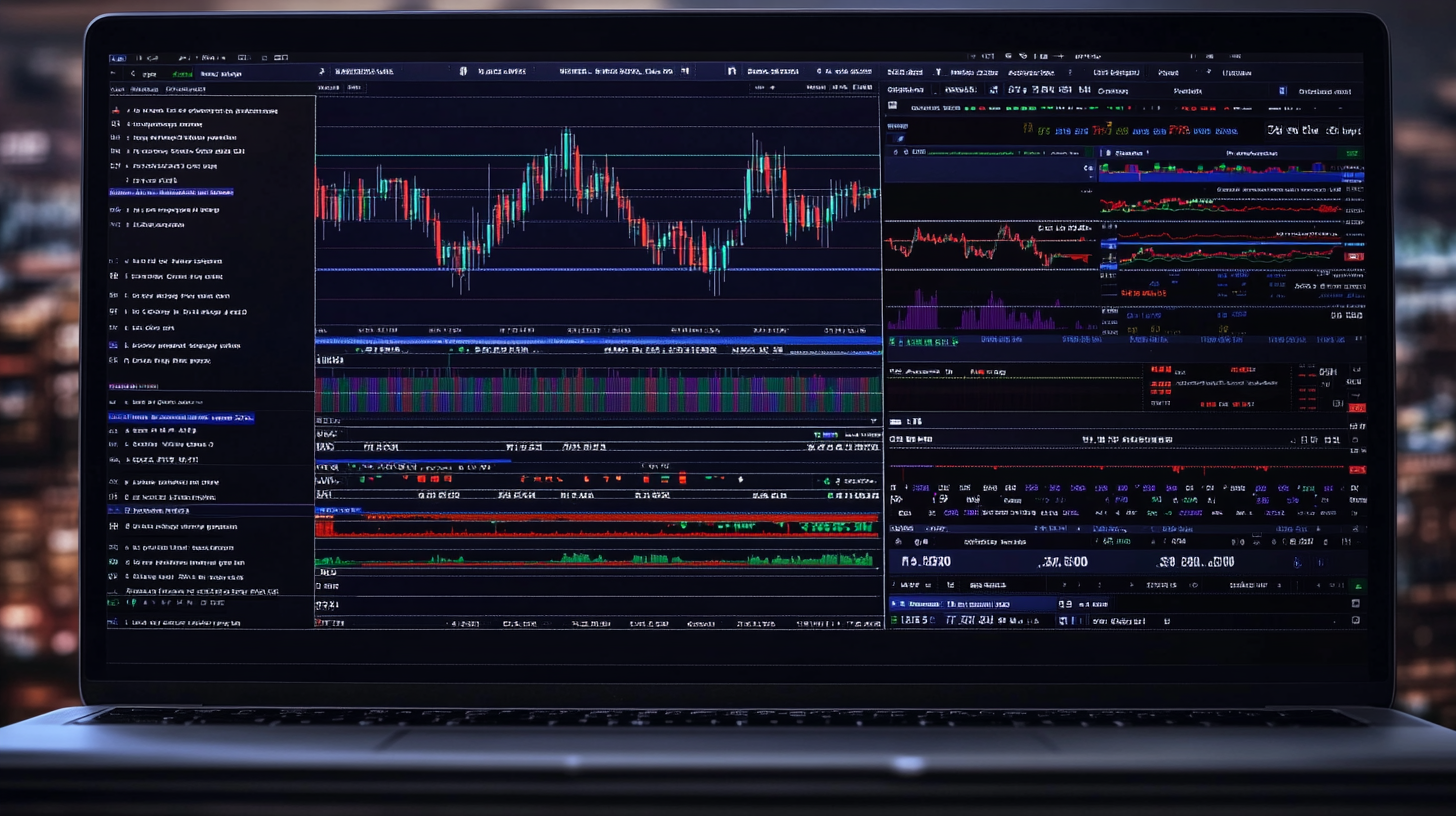
On desktop, the WebTrader loaded reliably across repeated sessions, and the workspace felt geared toward execution rather than aesthetics: watchlist on the left, charts central, ticket on the right. Order entry included market, limit, and stop, plus editable SL/TP; I tested a small EUR/USD position during the London open and saw fills land without drama, though the platform doesn’t replicate the plug-in ecosystem you get with MT4/MT5. If you’re running automated strategies or heavy custom indicators, you’ll notice that gap.
Fortef Rendof App: Mobile Trading Experience
The Fortef Rendof app mirrors the web layout closely and makes the basics frictionless: real-time quotes, chart toggles, and position management from a single screen. Fortef Rendof login supported biometric access on my device, and I could place orders, set alerts, and review margin usage without hunting through menus. One practical win is that deposits and withdrawals are reachable from mobile, so you’re not chained to a laptop when managing collateral—though I’d still avoid last-minute funding when volatility is spiking.
Charting, Tools & Research
Charting is competent: multiple timeframes, standard indicators (RSI, MACD, moving averages, Bollinger), and enough drawing tools for clean levels-based work. An economic calendar and integrated news feed cover the major releases, which is useful if you trade around CPI prints or rate decisions. The ceiling is obvious, however—dedicated platforms like MT5/cTrader offer deeper analytics and a broader community of scripts and add-ons.
Fortef Rendof Account Opening & Minimum Deposit
Rather than burying compliance, the onboarding funnel pushed KYC early in the journey: email, phone, residency, then document upload in the client area. I verified using a passport and a recent bank statement (under three months old), and approval landed the same business day. The flow is conventional AML practice—less “slick fintech”, more “get the checks done so you can withdraw later”.
- Minimum Deposit: $200 (the Fortef Rendof minimum deposit in my test).
- Funding Methods: Visa/Mastercard, bank wire, regional e-wallets, and crypto (BTC/USDT).
- Demo Account: $10,000 virtual balance—useful for testing margin behaviour and order logic.
- Account Types: Standard (spread-only) and Raw/ECN-style (tighter spreads + commission).
Account base currency choices were straightforward, but it’s still worth matching your deposit currency to avoid hidden conversion friction. For readers who simply want to inspect the client portal and pricing screens, I’d start with the demo before sending funds; once you’re comfortable, the live account funding flow on Fortef Rendof is easy to follow.
Fortef Rendof Customer Support Review
I tested support with a practical question: how swaps are shown for gold positions held across rollover, and whether the rates differ by account tier. Live chat replied in roughly three minutes with a clear pointer to the contract-specification page and explained where the platform displays daily financing. I then followed up by email to confirm withdrawal processing steps after KYC, and the ticket response arrived within about eight hours, aligning with a 24/5 desk rhythm.
Coverage is what you’d expect in this segment: 24/5 availability, chat first, email second, and phone support depending on region. Language support appears to be a rolling mix rather than a guaranteed list, so non-English speakers should test chat quality before funding heavily. Weekend responsiveness is thinner, especially around crypto, which matters if you trade Saturday/Sunday volatility.
Ready to Explore Fortef Rendof?
If you’re considering this broker for 2026, use a demo to gauge spreads during your trading hours, then verify eligibility and funding methods for your country before committing real capital. Treat leverage with respect; it’s a tool, not a feature to maximise.
Fortef Rendof Review FAQ
Is Fortef Rendof good for beginners?
It can be, but only if you keep position sizes small and use the demo first. The interface is not overly complex, yet the education content is modest compared with top-tier, heavily regulated brokers. Beginners should be cautious with 1:500 leverage and focus on risk controls before chasing returns.
Can I trade crypto on Fortef Rendof?
Yes, crypto CFDs were available in my account, including BTC/USD and ETH/USD. Because these are CFDs, you’re speculating on price rather than receiving on-chain coins. Expect wider spreads and different financing rules over weekends.
Is Fortef Rendof a scam?
No—based on my 2026 test, the platform functioned normally across deposit, trading, and withdrawal steps, which is not consistent with a classic scam pattern. The real caveat is that it operates offshore, so investor protections and formal complaint routes are thinner than FCA/ASIC-style regimes. Trade with that reality in mind and keep risk tight.
Is Fortef Rendof available in the USA?
No, the USA was restricted when I checked. US residents typically can’t open CFD trading accounts with offshore brokers due to local regulatory rules. If you’re travelling, residency and KYC documents still govern eligibility.
How long does a Fortef Rendof withdrawal take?
Most withdrawals are processed internally within 24–48 hours after KYC is approved. Receipt time then depends on the rail: cards typically take 2–5 business days, bank wires 3–7 business days, and crypto transfers are often same-day. Timing can stretch during compliance checks or bank holidays.
What is the Fortef Rendof minimum deposit?
The minimum deposit is $200 for the live account in this Fortef Rendof broker review 2026. That level is typical for offshore CFD providers aiming at retail traders. If you’re testing execution, start small and scale only after you’ve validated withdrawals and slippage around key releases.
Does Fortef Rendof have a mobile app?
Yes, the Fortef Rendof app is available on iOS and Android in my testing. It supports trading, charting, position management, and account funding functions. For basic monitoring and quick risk adjustments, the mobile experience is entirely usable.
Final Verdict: Should You Use Fortef Rendof in 2026?
Overall Score: 4.0/5
In a year where central-bank messaging can flip risk sentiment in a single press conference, I value platforms that make it easy to express a view across FX, indices, and metals without unnecessary friction—and Fortef Rendof largely delivers that. Costs are sensible if you pick the right tier, and the web/mobile stack handled my test trades cleanly. The constraint is structural: offshore status means you must do more of your own due diligence and keep withdrawals, documentation, and leverage discipline tight. If you proceed, treat CFDs as high-risk instruments and never fund money you can’t afford to lose. For the full platform walk-through, see Fortef Rendof.
Best for: active CFD traders who want multi-asset access and can manage leverage risk. Avoid if: you require Tier‑1 regulatory protections, deep research, or a full MT4/MT5 automation ecosystem.