Fiel Rendovía Trading Platform Alternatives 2026: Reliable Options for Online Traders
After two decades watching central banks pull markets around by the collar—rate cuts, emergency liquidity, surprise inflation prints—I’ve learned a simple rule: your broker matters most when volatility bites. If you’re using an offshore CFD provider, the real test isn’t the calm tape; it’s a fast market where spreads widen, slippage appears, and withdrawals suddenly feel “manual.” That context is why traders search for Fiel Rendovía alternatives in 2026.
As a category, Fiel Rendovía looks like a forex-and-CFD-first venue with an offshore registration (commonly seen under frameworks such as the Seychelles FSA), a proprietary WebTrader, and mobile apps aimed at straightforward order placement rather than institutional-grade workflow. Typical conditions in this bracket include a minimum deposit around $250, headline leverage up to roughly 1:500, and a “standard” EUR/USD spread often around 2.0 pips—figures that can sound attractive until you price the all-in cost across a month of trading or need robust investor protections. If you want to cross-check what’s currently presented, start with the platform’s own pages at Fiel Rendovía and then work outward: regulator registers, execution disclosures, and funding/withdrawal rules.
Disclaimer: This article is for informational purposes only and does not constitute investment advice. CFDs and other leveraged products carry a high risk of loss and may not be suitable for all investors.
Key Takeaways (TL;DR)
- For many traders, the practical difference between offshore CFD venues and top-tier brokers is recourse: segregation rules, negative balance protection policies, and access to investor compensation schemes where applicable.
- Compare brokers using round-turn trading cost (spread + commission + likely slippage), not leverage headlines; a 2.0-pip EUR/USD spread can compound quickly for active strategies.
- Plan migration as a sequence: verify regulation first, complete KYC at the new broker before withdrawing, then re-establish positions—assume open trades cannot be transferred.
What Is Fiel Rendovía and How Does Its Trading Platform Work?
From what is typically observable for this type of broker, Fiel Rendovía sits in the offshore CFD universe: forex pairs and index/commodity CFDs as the core, plus crypto CFDs for those seeking high beta exposure. The business model in this segment is commonly market-maker or hybrid, meaning your execution quality can depend on internal pricing, liquidity arrangements, and how the broker manages risk during news events. The audience is usually retail traders who want a simple interface, higher leverage (up to about 1:500), and a low-to-mid entry point (often around $250), even if that comes with fewer safeguards than FCA- or NFA-regulated firms. For traders comparing platforms like Fiel Rendovía, the key question is not “Can I place a trade?”—it’s “What happens operationally when the market gaps and I need to reduce risk quickly?”
Fiel Rendovía Web Trading Platform: Core Features and Tools
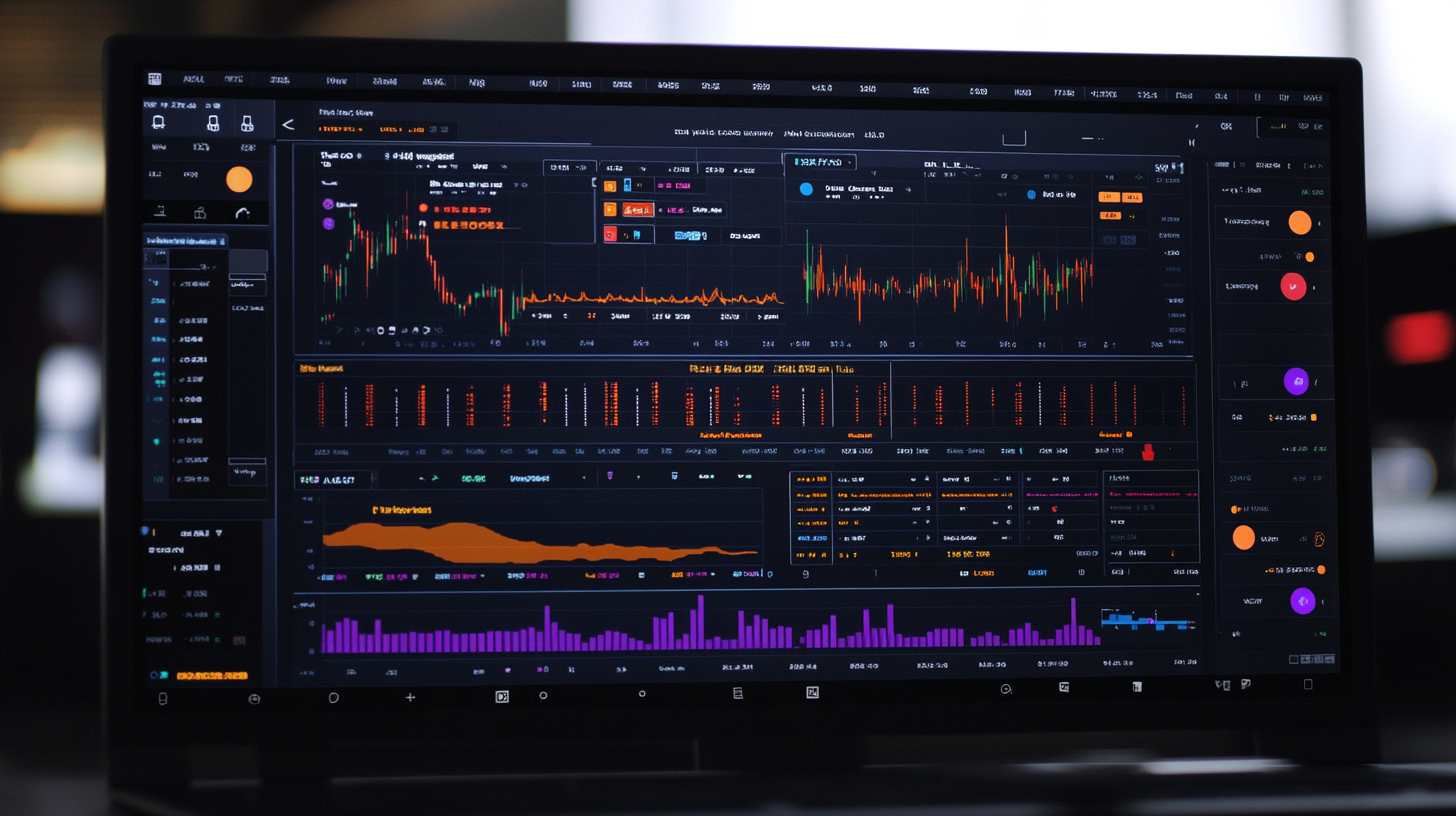
The proprietary WebTrader experience in this category is generally functional rather than feature-rich: solid basic charting, a reasonable set of timeframes, and enough indicators for trend/mean-reversion basics. Expect standard order tickets (market, limit, stop) and a dashboard that puts deposits, withdrawals, and open positions front-and-centre. Where these platforms often feel thin—particularly for systematic traders—is advanced order logic, detailed trade analytics, and the ecosystem you get with MT4/MT5 or cTrader (custom indicators, automation, strategy testing). Mobile apps usually mirror the web experience well for monitoring and simple execution, though intensive chart work and multi-window layouts remain better on desktop.
Trading Fees, Spreads, and Account Types at Fiel Rendovía
Cost structure for offshore CFD brokers is frequently presented as tiered accounts: a “Standard” style account with spreads around 2.0 pips on EUR/USD, and sometimes a tighter-spread tier that adds commission (often framed as “raw” pricing). The trading bill doesn’t stop at spreads: swaps/overnight financing matter for multi-day holdings, and the real-world cost in a fast market includes slippage. Traders should also read the fine print on non-trading fees—withdrawal processing charges, currency conversion, or inactivity rules—because those can be the hidden wedge that makes competitors to Fiel Rendovía look cleaner on total cost.
When Do Traders Start Looking for Fiel Rendovía Alternatives?
Regime shifts—rate surprises, geopolitics, energy spikes—are the moments when broker quality stops being an abstract concept. That’s often when traders start shortlisting Fiel Rendovía alternatives: they want clearer regulatory oversight, better-defined client-money protections, and platforms that can handle both discretionary and systematic workflows. Costs play a role too. A 2.0-pip EUR/USD spread can be manageable for occasional trading, but it becomes material for anyone who trades frequently or sizes up around macro data releases. Finally, operational friction—funding/withdrawal rules, support responsiveness, or regional restrictions—tends to push accounts toward better governed venues.
- Your strategy needs MT4/MT5 or cTrader for EAs, custom indicators, or more granular order control than a basic WebTrader can provide.
- You want a broker whose regulatory status can be verified on the FCA/ASIC/CySEC/NFA public registers, rather than relying on offshore oversight.
- High-volatility trading (CPI, payrolls, central-bank days) exposes frequent slippage or widened spreads that make costs unpredictable.
- You need access to real shares/ETFs (with ownership rights) instead of equity exposure delivered only via CFDs.
How to Choose a Reliable Alternative to the Fiel Rendovía Trading Platform
I approach broker selection as a risk-budget exercise: match the broker’s protections, product set, and execution model to the worst week you can realistically imagine. The alternatives to the Fiel Rendovía trading platform that deserve attention are typically those that publish clearer disclosures, operate under recognisable regulators, and offer a platform stack aligned with your method—manual macro trading, hedging, or automation.
Regulation, Safety, and Investor Protection
Start with who supervises the firm: FCA (UK), ASIC (Australia), CySEC (Cyprus/EU), or NFA/CFTC (US) each impose different standards, but all are materially more robust than a purely offshore framework. For UK clients under FCA oversight, the FSCS can provide protection up to £85,000 in specific failure scenarios; in Cyprus, the ICF can cover up to €20,000 for eligible clients. Look for segregated client funds and clear negative balance protection language—especially if you’re used to high leverage.
Available Markets and Instruments
Map instruments to intent. If you trade macro themes, you may want FX and index CFDs for tactical expression, plus access to cash equities or ETFs for longer-horizon positioning. Multi-asset firms can add options and futures for defined-risk structures; that’s a different toolkit to a CFD-only venue. Many brokers similar to Fiel Rendovía keep the menu tight—forex, indices, commodities, and crypto CFDs—so check whether you’re getting genuine market access or just a derivative wrapper.
Trading Costs: Spreads, Commissions, and Other Fees
Ignore marketing “from” numbers and compute round-turn cost: spread + commission + expected slippage for your trade size and timing. A raw account quoting 0.0–0.4 pips can still be expensive once you add $5–$8 round-turn commission; conversely, a wider all-in spread can be fine for low-frequency trades. Don’t forget swap/overnight charges if you hold for days, and scan for inactivity or withdrawal fees. If you’re comparing with Fiel Rendovía, keep the yardstick consistent: same pair, same time of day, same order type.
Platforms, Tools, and Execution Quality
Platform is workflow. MT4/MT5 and cTrader matter if you automate, backtest, or run multi-chart routines; proprietary platforms can be perfectly adequate for macro trading if execution is reliable. Ask how orders are routed: market maker versus STP/ECN/DMA is not a moral judgement, but it affects how prices are formed and what slippage looks like around data. If latency and fills are central to your edge, test execution with small size before committing meaningful capital.
Support, Education, and Overall User Experience
When markets move fast, you want support that answers in minutes, not days—ideally across your trading hours. Education is less about glossy videos and more about useful material: margin policy, order types, corporate actions on CFDs, and clear fee schedules. Also check mobile parity: can you modify stops, view swap, and manage margin calls sensibly on the app? The best substitutes for Fiel Rendovía are often the ones that feel boringly consistent in these operational details.
Fiel Rendovía and Different Asset Classes: When Alternatives May Be Better
Fiel Rendovía Forex and CFD Trading
Forex and index/commodity CFDs are likely the centre of gravity at Fiel Rendovía: perhaps 30–50 FX pairs, a handful of commodities, and major indices. The trade-off is usually cost and control. If your EUR/USD pricing is around 2.0 pips on a standard-style account, that’s workable for position traders, but it’s a headwind for active intraday strategies—particularly around central-bank meetings when spreads can blow out. Regulated FX/CFD specialists such as Pepperstone or OANDA tend to win on transparency, platform choice (MT4/MT5/cTrader or robust proprietary), and governance. Execution also matters: even a small improvement in slippage over dozens of trades per month can outweigh the headline leverage difference.
Fiel Rendovía Stock and ETF Trading
Equities are where many offshore CFD venues feel narrow. If stocks/ETFs are offered at all, the exposure is often via CFDs—no shareholder rights, no voting, and financing costs that can surprise newcomers on longer holds. Traders wanting genuine multi-asset access usually migrate to Interactive Brokers or Saxo Bank, where you can buy real shares and ETFs (and, depending on jurisdiction, trade options and futures) alongside FX. That matters for macro investors who want to express a view through sector ETFs, duration hedges, or option structures rather than relying solely on leveraged CFDs. In short: for cash equities capability, regulated options vs Fiel Rendovía are typically in a different league.
Fiel Rendovía Crypto Trading
Where offshore brokers provide crypto, it’s commonly crypto CFDs—price exposure without on-chain ownership, wallets, or transfer rights. That can be perfectly valid for short-term trading, but it’s not the same as holding the underlying asset. Some regulated CFD houses, including IG, provide crypto CFD access in permitted regions with clearer risk warnings and governance; others may restrict crypto depending on local rules. The practical point is to align product form with intent: if you’re trading volatility, CFDs may suffice; if you want long-term custody, a broker account isn’t a substitute for an exchange and wallet setup. This is exactly the kind of nuance traders miss when scanning “best Fiel Rendovía alternatives 2026” lists that don’t distinguish exposure types.
Best Fiel Rendovía Alternatives for 2026: Comparison of Top Trading Platforms
Interactive Brokers (IBKR): Key Facts and How It Compares to Fiel Rendovía
Regulation: SEC/FINRA (US), FCA (UK), IIROC (Canada) (entity and jurisdiction dependent)
Markets: Stocks, ETFs, options, futures, bonds, FX; CFDs in certain regions
Fees: FX pricing is typically tight with commission-based models; equity commissions vary by market and plan
Platform: Trader Workstation (TWS), web platform, mobile app; API access
Best For: Multi-asset macro traders who want real market access
IG: Key Facts and How It Compares to Fiel Rendovía
Regulation: FCA, ASIC, MAS (by entity)
Markets: CFDs across FX, indices, commodities, shares; spread betting in the UK; some investment offerings vary by region
Fees: Costs are typically spread-based on many CFD markets; FX spreads often competitive for major pairs
Platform: IG web platform, mobile; MT4 available in many regions
Best For: News-driven traders who need breadth and robust risk tools
Pepperstone: Key Facts and How It Compares to Fiel Rendovía
Regulation: FCA, ASIC, CySEC, DFSA (by entity)
Markets: FX and CFDs (indices, commodities, some shares depending on region)
Fees: EUR/USD spreads often ~0.0–0.4 pips on Razor/Raw-style pricing plus commission; wider on Standard accounts
Platform: MT4, MT5, cTrader, TradingView integrations (availability varies)
Best For: Systematic traders running EAs and tight-risk execution
OANDA: Key Facts and How It Compares to Fiel Rendovía
Regulation: CFTC/NFA (US), FCA (UK), ASIC (Australia), IIROC (Canada) (by entity)
Markets: Primarily FX; CFDs available outside the US (region dependent)
Fees: Typically spread-based pricing; costs vary by account type and jurisdiction
Platform: OANDA web and mobile platforms; MT4 support in many regions
Best For: Risk-managed FX traders prioritising transparent governance
Saxo Bank: Key Facts and How It Compares to Fiel Rendovía
Regulation: FCA, MAS, DFSA (by entity)
Markets: Stocks, ETFs, bonds, FX, options, futures, CFDs
Fees: Pricing varies by tier; FX spreads often competitive on major pairs; multi-asset commissions apply on exchange-traded products
Platform: SaxoTraderGO, SaxoTraderPRO
Best For: Portfolio-style investors combining FX with listed products
Plus500: Key Facts and How It Compares to Fiel Rendovía
Regulation: FCA, CySEC, ASIC, MAS (by entity)
Markets: CFDs on FX, indices, commodities, shares, and crypto CFDs (availability varies by jurisdiction)
Fees: Predominantly spread-based; overnight funding applies on leveraged CFD positions
Platform: Proprietary web platform and mobile app
Best For: Simplicity-first CFD traders who don’t need MT4/MT5
Comparison Summary
| Platform | Regulation | Main Markets | Typical Costs | Best For |
|---|---|---|---|---|
| Interactive Brokers (IBKR) | SEC/FINRA, FCA, IIROC | Real stocks/ETFs, options, futures, bonds, FX | Commission-based; generally tight FX pricing | Multi-asset macro traders who want real market access |
| IG | FCA, ASIC, MAS | CFDs across FX/indices/commodities/shares | Mostly spread-based; competitive majors | News-driven traders who need breadth and robust risk tools |
| Pepperstone | FCA, ASIC, CySEC, DFSA | FX + CFDs | Raw spreads ~0.0–0.4 pips + commission; Standard wider | Systematic traders running EAs and tight-risk execution |
| OANDA | CFTC/NFA, FCA, ASIC, IIROC | FX-first; CFDs outside US | Primarily spread-based; varies by entity | Risk-managed FX traders prioritising transparent governance |
| Saxo Bank | FCA, MAS, DFSA | Stocks/ETFs, options, futures, FX, CFDs | Tiered pricing; commissions on exchange products | Portfolio-style investors combining FX with listed products |
| Plus500 | FCA, CySEC, ASIC, MAS | CFDs (FX/indices/commodities/shares/crypto CFDs) | Spread-based + overnight funding on CFDs | Simplicity-first CFD traders who don’t need MT4/MT5 |
How to Safely Move from Fiel Rendovía to Another Broker
Switching brokers is less a “sign-up” task and more a controlled operational change. Treat it like reducing exposure ahead of a key central-bank decision: verify the new venue, secure access, then move funds in a way that won’t trigger avoidable compliance delays. Remember that leverage cuts both ways—if you’re migrating during a volatile week, keep position sizes small until you’re confident about execution and margin behaviour. If you need a reference point for your current account details before you start, review your statements and funding history at Fiel Rendovía.
- Confirm the new broker’s regulatory authorisation on the regulator’s own register (FCA Register, ASIC Connect, CySEC listings, or NFA BASIC) and match the legal entity name—not just the brand.
- Open the new account and complete KYC/AML checks (ID plus proof of address) before touching your existing setup; approval often arrives within a business day, but delays happen.
- Reduce complexity on the old account: close or hedge open CFD positions rather than assuming they can be transferred; in practice, you usually re-enter on the new platform.
- Withdraw funds using the original deposit method where possible; many brokers enforce “same-rail” withdrawals to satisfy anti-money-laundering rules.
- Export trade history, statements, and funding records for tax and dispute purposes, then store them offline before you downgrade or close the account.
Ready to Explore Fiel Rendovía?
If you’re comparing conditions in real time, it’s sensible to review the current onboarding flow, funding methods, and product list directly—then benchmark them against regulated options on your shortlist. Regional eligibility and leverage caps vary sharply between the US, UK, and EU, so check what applies to your jurisdiction before committing capital.
FAQ: Fiel Rendovía Alternatives and Trading Platforms
What is the best alternative to Fiel Rendovía in 2026?
The best option depends on whether you need real multi-asset access or primarily trade FX/CFDs. For broad, institutional-style market access, Interactive Brokers and Saxo Bank are strong picks; for FX-focused trading with MT4/MT5/cTrader support, Pepperstone is often a better fit. For traders who want a simpler CFD-only interface under tier-1 regulation, Plus500 is a common shortlist candidate among the best Fiel Rendovía alternatives 2026.
Is Fiel Rendovía a safe broker/platform?
Fiel Rendovía appears to sit in an offshore framework (often associated with jurisdictions such as the Seychelles FSA), which typically offers fewer investor protections than FCA/NFA-regulated brokers. Safety isn’t only about technology; it’s about client-money rules, complaint channels, and what happens if the firm fails. If your risk tolerance is low, prioritise regulated options vs Fiel Rendovía and verify the broker’s exact legal entity on the regulator’s register.
Can I trade stocks, futures, or crypto with Fiel Rendovía?
With offshore CFD brokers, stocks and crypto are commonly offered as CFDs (price exposure), while exchange-traded futures and ownership-style equities access is often limited. Crypto access, where available, is typically via crypto CFDs rather than on-chain coins. If you need real stocks/ETFs or listed futures, platforms like Fiel Rendovía are usually less suitable than Interactive Brokers or Saxo Bank.
What should I check before switching from Fiel Rendovía to another platform?
Before switching, confirm the new broker’s regulation (FCA/ASIC/CySEC/NFA as applicable), product availability in your region, and the platform stack you require (MT4/MT5/cTrader vs proprietary). Next, read the funding/withdrawal policy and the negative balance protection terms, then test execution with small size to observe spreads and slippage. Finally, export statements and close or replicate positions rather than expecting transfers—this step trips up many traders searching for Fiel Rendovía trading platform alternatives 2026.
About the Author: James Sterling is a London-based market strategist with 20 years’ experience covering central bank policy, cross-asset volatility, and global risk events. He holds an MSc in Economics from the London School of Economics and writes with a focus on practical market structure—execution, costs, and risk controls—rather than headlines.