Brevundar Review 2026: Pros, Cons, and Features Tested
| Min Deposit | $200 |
| Max Leverage | 1:500 |
| Assets | Forex, Indices, Commodities, Crypto CFDs, Share CFDs |
| Platforms | Proprietary WebTrader, iOS app, Android app |
Designed as a multi-asset CFD venue, Brevundar suits traders who value leverage and a lean, browser-first workflow, with the clear compromise being an offshore regulatory framework. I ran a Standard and a tighter-spread Pro/Raw-style account side by side, which made the pricing differences obvious on liquid pairs. Market coverage leans FX and indices first, with crypto and shares as satellite products rather than the main event. Execution tools live inside a proprietary WebTrader plus mobile apps, so you’re not buying into the MT4/MT5 plugin universe. The strongest draw is flexible access (including crypto funding); the weak spot is that legal protections are thinner than you’d expect under FCA-style rules—so position sizing matters. You can start from the Brevundar homepage and verify country eligibility upfront.
Pros
- Two-tier pricing (spread-only or tighter spreads with commission) that fits both casual and active styles
- Broad CFD menu with solid coverage in majors, key indices, and core metals/energy
- Mobile and WebTrader experience is cohesive, with funding and risk controls accessible in-platform
Cons
- Offshore registration means fewer formal dispute/compensation routes than Tier-1 jurisdictions
- Education and research are functional, not institutional-grade
- Dormant accounts can accrue an inactivity charge if left untouched
Is Brevundar Legit and Safe?
Brevundar looks operationally legitimate rather than a “vanish-with-your-deposit” outfit, but it sits in the offshore bracket where investor protections are lighter. In my testing, onboarding, KYC, and withdrawals behaved like a functioning brokerage, not a fly-by-night website.
From a legal standpoint, the provider presents itself as registered with the Mauritius FSC, which is meaningful as a corporate registry and conduct framework, though it is not the same as FCA/CySEC-style supervision with robust compensation schemes. Practically, that offshore status is what enables the headline leverage (up to 1:500) and a wider product set, but it can also make escalation harder if you end up in a dispute over pricing, execution, or account classification. I looked for the usual red flags—hard-sell calls, “guaranteed returns” language, and suspicious trophy-badge marketing—and didn’t encounter anything that screamed manipulation. The platform did, however, enforce AML/KYC: photo ID plus proof of address were required before withdrawal, and the client-area language referenced segregated client funds. None of that eliminates trading risk: CFDs are leveraged products and losses can exceed expectations quickly when markets gap or volatility spikes.
Supported Countries & Restricted Regions
This broker accepts a wide international client base across parts of Europe, MENA, Africa, and Asia, while turning away heavily regulated or sanctioned locations. The USA is explicitly restricted, alongside sanctioned jurisdictions.
| Region | Status | Leverage Cap |
|---|---|---|
| UK & Europe (non-EU focus) | Accepted | Up to 1:500 |
| MENA (selected countries) | Accepted | Up to 1:500 |
| Southeast Asia | Accepted | Up to 1:500 |
| Sub-Saharan Africa | Accepted | Up to 1:500 |
| USA | Restricted | Not offered |
| Sanctioned jurisdictions | Restricted | Not offered |
Eligibility is checked through a mix of self-declared residency, IP/location screening, and KYC verification before withdrawals. As regulators update guidance, accepted-country lists can shift, so it’s sensible to confirm access at signup rather than assume.
Tradable Assets and Markets
Product breadth is best described as FX-and-index led, with commodities and crypto CFDs used to round out the toolkit for tactical hedges. If you’re building around macro catalysts—central bank days, CPI prints, risk-on/risk-off rotations—the core instruments are there.
- Indices: The line-up includes the big benchmarks (US500, NAS100, GER40, UK100) with intraday-friendly pricing.
- Forex: Roughly 40+ pairs across majors and minors, plus a thinner slice of exotics for those who can stomach wider spreads.
- Commodities: Gold and silver sit alongside WTI/Brent and, depending on session, energy contracts suited to event-driven trading.
- Crypto CFDs: Large-cap names such as BTC and ETH are available as CFDs, where weekend financing can be a real cost variable.
- Share CFDs: A selective list of US/EU blue chips for short-term themes rather than long-term investing.
All of this is CFD exposure, meaning you’re trading price movements on margin rather than owning the underlying asset. That also means no shareholder voting rights, and “crypto” positions are derivative contracts—not on-chain holdings.
Brevundar Trading Fees and Spreads
Pricing is tiered: the Standard account pays via the spread, while the Pro/Raw-style account targets lower raw spreads plus a fixed commission. On my quotes during the London morning, EUR/USD was broadly in the expected offshore-CFD range, with the Raw tier meaningfully tighter for frequent traders. Total cost ends up more about trade frequency and holding time than the headline spread alone.
| Asset | Spread/Fee | Market Average Comparison |
|---|---|---|
| EUR/USD (Standard) | from 1.4 pips | In line with typical offshore CFD pricing |
| EUR/USD (Raw/ECN) | from 0.2 pips + $7 round-turn/lot | Competitive for active trading, commission-driven |
| Bitcoin (BTC/USD) | from $35 (variable) | Typical; can widen sharply in volatility |
| Gold (XAU/USD) | from $0.30 | Slightly better than average in calm conditions |
| US500 Index | from 0.8 points | Near segment norms for CFD indices |
Non-spread costs to watch: Overnight swap/financing is the real “silent fee” if you carry FX, indices, or metals across sessions, and crypto CFD funding can compound over weekends. After 90 days of dormancy, I saw an inactivity fee of $10 per month applied in the schedule, which is small but persistent. On funding, card/crypto rails were clean in my tests, but multi-currency deposits can introduce conversion costs if your base currency doesn’t match the account denomination. I also used Brevundar support to confirm where swap rates are displayed inside the ticketed help pages.
Brevundar Trading Platforms and Tools
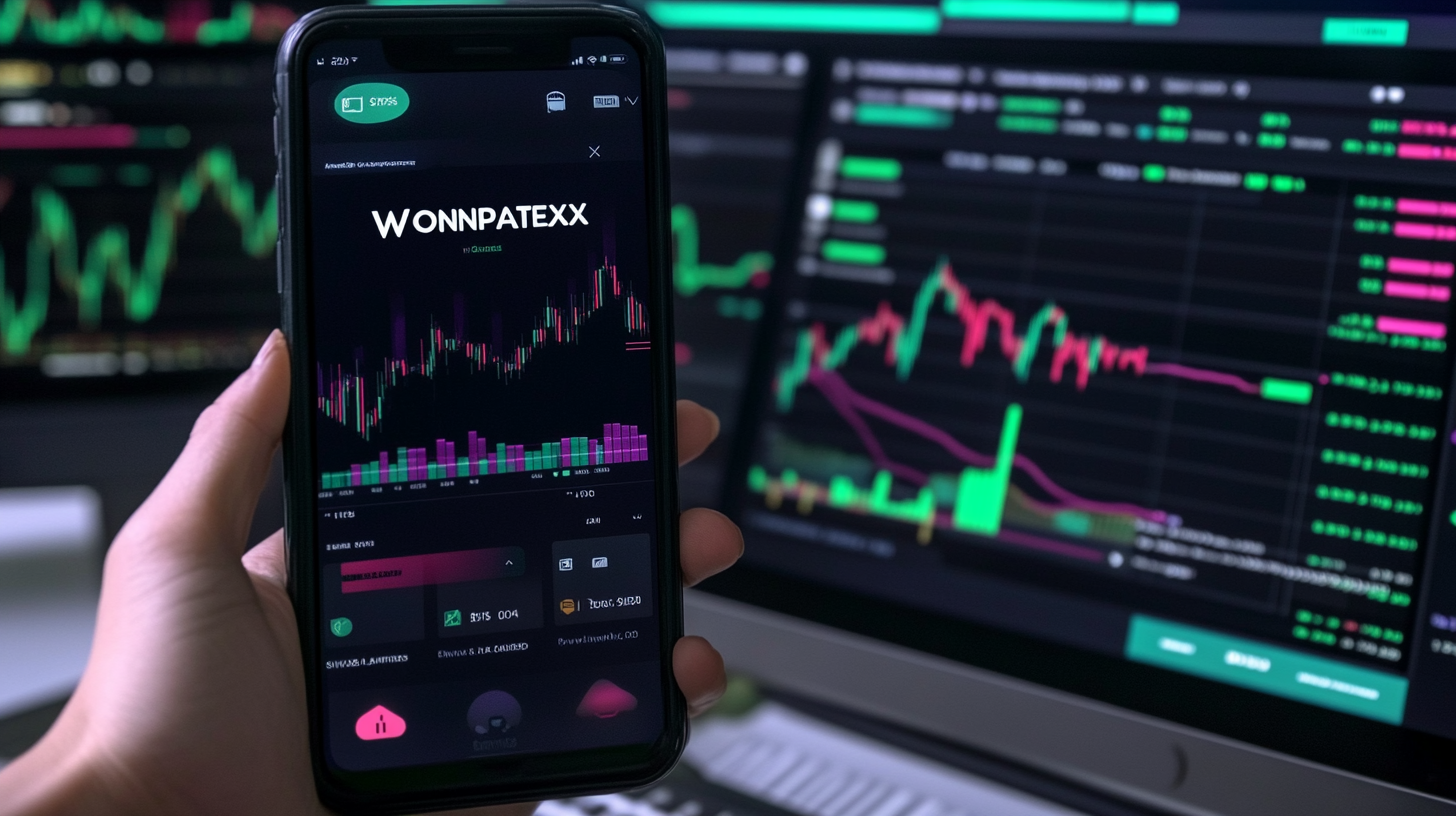
On desktop, the proprietary WebTrader is built for speed rather than ornamentation: watchlists, one-click trading toggles, and a clear margin panel sat front-and-centre. I placed a small EUR/USD test position around the London-New York overlap and watched fills land without drama; the trade blotter updated quickly, and stop-loss editing was stable. The trade-off is ecosystem depth—if you rely on MT4/MT5 EAs, third-party plugins, or bespoke bridging, you may find the platform stack a bit closed.
Brevundar App: Mobile Trading Experience
The Brevundar app mirrors the WebTrader layout closely, which helps when you move between devices mid-session; the Brevundar login process supported biometric unlock on my handset. Market orders, limits, and stop orders were all available, and you can initiate deposits/withdrawals from the same client area without hunting through menus. Push notifications for price alerts worked, though I’d like more granular triggers (for example, alert on margin level thresholds).
Charting, Tools & Research
Charting includes the staples—multiple timeframes, common indicators (RSI, MACD, moving averages), plus drawing tools for levels and channels. There’s an integrated economic calendar and a rolling news feed that’s adequate for monitoring rate decisions and top-tier data releases, but it won’t replace a dedicated macro terminal. For most retail workflows, it’s sufficient; systematic traders may miss the depth and community tooling associated with MT5/cTrader environments.
Brevundar Account Opening & Minimum Deposit
Before I funded anything, I ran through the registration screens to see what data the broker requests: email, phone, residency, and a short suitability-style prompt on experience and risk appetite. KYC then required a government-issued photo ID and a proof of address dated within three months; my verification cleared within the same business day after uploading clean images. From an AML perspective, it was stricter than some offshore peers, particularly on address formatting and document legibility.
- Minimum Deposit: $200 (the Brevundar minimum deposit for the live Standard account)
- Funding Methods: Visa/Mastercard, bank wire, regional e-wallets, and crypto (BTC, USDT)
- Demo Account: $10,000 virtual balance for platform familiarisation and order-type practice
- Account Types: Standard (spread-only) and Pro/Raw-style (tighter spreads plus commission)
One practical note: the client area nudges you to complete verification early, but withdrawal functionality is where the checks become non-negotiable. Base currency choice matters too—if you deposit in GBP and run the account in USD, you’re effectively paying an FX conversion spread on entry and exit.
Brevundar Customer Support Review
Support testing was deliberately specific: I asked live chat where to find instrument-by-instrument swap/overnight fees and whether the Raw commission is charged per side or round-turn. The agent came back in roughly three minutes with a clear answer and pointed me to the relevant contract-spec page inside the platform. I then emailed a follow-up about withdrawal processing windows for card versus crypto; the ticket response landed in about nine hours with a method-by-method breakdown and a reminder that KYC must be complete first.
Coverage is broadly 24/5, which aligns with the FX week, and the tone was serviceable rather than sales-led. Language options appear region-dependent, and I didn’t see a prominently advertised phone line during my session. Weekends are quieter—fine for long-term account admin, less ideal if you trade crypto CFDs and want immediate human help on a Saturday.
Ready to Explore Brevundar?
If you’re considering this broker, open a demo first, then compare live spreads during your usual trading hours—London open and the US data window are the real tests. Also confirm your country eligibility and funding method before you commit capital, especially if you plan frequent withdrawals.
Brevundar Review FAQ
Is Brevundar good for beginners?
Yes, for beginners who want a simple WebTrader and a demo account before risking cash. The $200 entry point is manageable, but leverage up to 1:500 can magnify mistakes quickly. New traders should stick to small size, use stops, and treat CFDs as high-risk instruments.
Can I trade crypto on Brevundar?
Yes, you can trade crypto CFDs such as BTC/USD and ETH-based pairs on the platform. These are derivatives, so you’re not receiving coins on-chain or using a blockchain wallet. Pay attention to weekend financing, which can be material on longer holds.
Is Brevundar a scam?
No, based on my 2026 test it behaved like a functioning offshore CFD broker, including KYC checks and a processed withdrawal. The more nuanced point is oversight: offshore registration (Mauritius FSC in its disclosures) typically offers fewer formal protections than Tier-1 regulators. Treat it as higher-risk infrastructure and size trades accordingly.
Is Brevundar available in the USA?
No, Brevundar is not available to US residents. The site flags the USA as a restricted jurisdiction, and KYC checks are used to enforce residency rules. If you’re US-based, you’ll need a CFTC/NFA-compliant venue instead.
How long does a Brevundar withdrawal take?
A Brevundar withdrawal typically leaves the broker within 24–48 hours once KYC is complete. In my case, card rails were quoted at 2–5 business days to settle, while crypto withdrawals were positioned as same-day in most situations. The final timing depends on your payment method and any compliance follow-ups.
What is the Brevundar minimum deposit?
The Brevundar minimum deposit is $200 for the live Standard account. If you’re testing execution and spreads, I’d fund only what you can afford to lose and start with the demo to learn the ticket flow. Higher deposits don’t automatically reduce spreads unless you move to the commission-based tier.
Does Brevundar have a mobile app?
Yes, Brevundar has mobile apps for iOS and Android. You can monitor positions, place orders, and manage deposits and withdrawals from the app, and biometric sign-in is supported on compatible devices. It’s a capable companion to the WebTrader, though power users may still prefer desktop screens for heavy chart work.
Final Verdict: Should You Use Brevundar in 2026?
Overall Score: 4.0/5
For traders who think in macro scenarios—rates, risk appetite, and sharp intraday volatility—Brevundar offers a credible toolkit: a usable WebTrader, a solid mobile stack, and pricing tiers that make sense once you decide whether you’re a frequent trader or an occasional hedger. My own card deposit and subsequent withdrawal cycle behaved as advertised, which is the minimum bar many offshore brokers fail. The caution flag is jurisdictional: offshore regulation can mean fewer formal remedies, and 1:500 leverage is unforgiving when slippage hits around data releases. Used with discipline, Brevundar can fit, but CFDs remain high-risk and capital is always at stake.
Best for: active CFD traders focused on FX/indices who want a proprietary platform and optional Raw-style pricing. Avoid if: you require Tier-1 regulation, deep third-party platform ecosystems (MT4/MT5 tooling), or you’re prone to over-leveraging.