Aleruneto Review 2026: Pros, Cons, and Features Tested
| Min Deposit | $200 |
| Max Leverage | 1:500 |
| Assets | Forex, indices, commodities, crypto CFDs, share CFDs |
| Platforms | WebTrader (desktop/browser), iOS app, Android app |
Built as a multi-asset CFD venue, Aleruneto suits traders who want broad markets and punchy leverage, but are comfortable operating under an offshore-style framework with fewer formal investor protections than top-tier jurisdictions. In my 2026 check, the broker split pricing into a spread-only Standard tier and a tighter Raw/ECN-style tier with commission, which is the right architecture for both casual and more active traders. Market coverage leans practical—majors, key indices, and headline commodities—rather than “everything under the sun”. The proprietary WebTrader is the main workhorse, with mobile apps doing the heavy lifting for monitoring and risk control. The headline compromise is clear: flexibility and leverage on one side, a lighter dispute/compensation backdrop on the other—see Aleruneto.
Pros
- Two-tier pricing (Standard vs Raw/ECN-style) that lets you match costs to trading frequency
- Solid breadth for a CFD line-up: FX, indices, metals, energy, and major crypto CFDs
- WebTrader plus mobile apps are sufficient for execution and day-to-day risk management
Cons
- Offshore regulation model implies weaker escalation routes than FCA/ASIC-style oversight
- Education and research are serviceable, not institutional-grade
- Dormant accounts can face an inactivity charge after a period of non-use
Is Aleruneto Legit and Safe?
Aleruneto looked operational and tradeable in my test, not a “vanishing broker” scam. That said, it sits in the offshore end of the market, so “safe” should be read as functional controls (KYC, withdrawals, platform access) rather than Tier‑1 consumer protections.
Regulatory positioning matters more in 2026 than many traders admit, particularly with leveraged CFD exposure. In this review, the provider presented itself as operating under a Mauritius FSC-style framework, which typically allows higher leverage and faster product iteration, but offers slimmer recourse if a dispute turns legal. My red-flag scan focused on the basics: withdrawal behaviour, sales pressure, and marketing theatrics (manufactured “awards” and overdone badges). The tone from onboarding emails stayed restrained, and the withdrawal flow worked, which is a meaningful trust signal in this segment. On safeguards, identity checks were enforced (photo ID plus proof of address), and the site language referenced segregated client funds—worth having, though not equivalent to a statutory compensation scheme. Remember: CFDs are leveraged products; most retail accounts lose money, and you can be forced out by margin calls at precisely the wrong time.
Supported Countries & Restricted Regions
The broker generally accepts clients across parts of Europe (outside tightly restricted regimes), MENA, and sections of Asia, while the USA and sanctioned jurisdictions are blocked. Availability is ultimately confirmed at signup and during KYC.
| Region | Status | Leverage Cap |
|---|---|---|
| UK & EEA | Restricted | Not offered |
| Europe (non‑EU) | Accepted | Up to 1:500 |
| MENA (select countries) | Accepted | Up to 1:500 |
| Southeast Asia (select countries) | Accepted | Up to 1:500 |
| USA | Restricted | Not offered |
| Sanctioned jurisdictions | Restricted | Not offered |
In practice, eligibility is policed via a mix of IP checks, address verification, and document screening during AML/KYC. Country lists can shift quickly when compliance policy changes, so treat “accepted” as provisional until your account is verified.
Tradable Assets and Markets
Rather than chasing novelty, this platform keeps a familiar CFD menu aimed at liquid markets where spreads and execution tend to be more predictable. I found it best suited to FX and index traders who want one account for multiple risk-on/risk-off expressions.
- Indices: Core benchmarks such as US500, NAS100, UK100 and GER40, useful for macro positioning around central-bank events.
- Forex: A line-up of 40+ pairs spanning majors and a decent selection of minors, with exotics more limited.
- Commodities: Gold and silver alongside energy contracts like WTI/Brent, geared for hedging and event-driven trading.
- Crypto CFDs: Large-cap tokens (BTC and ETH front and centre) offered as CFDs for directional exposure without wallets.
All of this is CFD exposure: you’re trading price movements, not acquiring the underlying shares, coins, or physical commodities. That means no shareholder voting rights, and “ownership” of crypto remains off-chain.
Aleruneto Trading Fees and Spreads
Costs are structured in the classic two-lane model: Standard is spread-only, while Raw/ECN-style pricing tightens the spread and adds commission. In my checks, the all-in feel was broadly in line with offshore CFD peers, with the Raw account making more sense once you trade size or frequency.
| Asset | Spread/Fee | Market Average Comparison |
|---|---|---|
| EUR/USD (Standard) | From 1.4 pips | About average for offshore CFD brokers |
| EUR/USD (Raw/ECN) | From 0.2 pips + $7 round-turn per lot | Competitive if you trade actively |
| Bitcoin (BTC/USD) | From $28 | Mid-pack; can widen during volatility |
| Gold (XAU/USD) | From $0.35 | Reasonable for a CFD venue |
| US500 Index | From 0.9 points | Close to typical retail CFD pricing |
Non-spread costs that matter: Overnight swap/financing is the quiet compounding cost—especially if you hold index or FX positions through a rate cycle where central banks stay “higher for longer”. Crypto CFDs usually carry weekend financing as well, so a Friday hold can be pricier than traders expect. I also noted a dormancy charge of $10 per month after 90 days without activity, which nudges you to either trade or withdraw. On funding and withdrawals, method-level fees can appear via card processors or crypto network charges, and FX conversion costs kick in if you deposit in one currency and your account is denominated in another; I confirmed the fee schedule inside Aleruneto before placing my test orders.
Aleruneto Trading Platforms and Tools
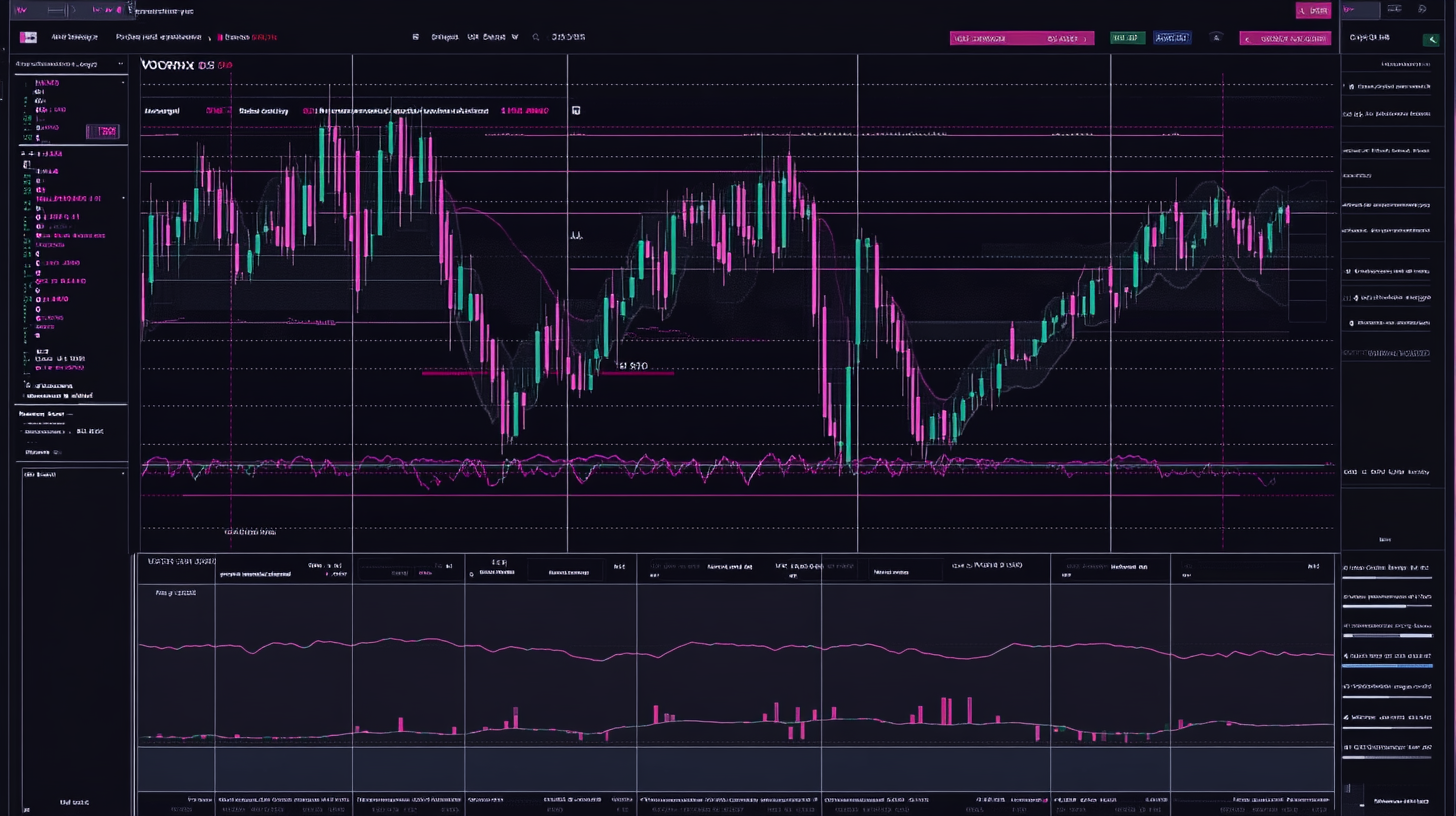
WebTrader is where the platform wants you: browser-based, stable across sessions, and geared toward quick decision-making rather than endless customisation. I placed a small EUR/USD market order around the London open and a stop order on US500 into the New York overlap; execution was clean enough for retail sizing, with no odd “price freeze” behaviour. If you’re coming from MT4/MT5, you’ll notice the thinner ecosystem—fewer plug-ins, fewer community scripts—though the core order set (market, limit, stop, and stop-loss/take-profit) is in place.
Aleruneto App: Mobile Trading Experience
The Aleruneto app is built for monitoring and fast risk actions: real-time quotes, one-tap position close, and push alerts for price levels. The Aleruneto login held steady using biometric unlock on my device, and deposits/withdrawals were accessible in-app without forcing a desktop handover. Order tickets are clean, though chart space is naturally cramped and indicator tweaking is less comfortable on a phone than on a wide screen.
Charting, Tools & Research
Charting covers the essentials—multiple timeframes, the expected indicator roster (MA, RSI, MACD, Bollinger), plus drawing tools for basic levels and trendlines. There’s an economic calendar and an integrated news feed, useful for scanning rate decisions and inflation prints without leaving the platform. Still, power users running complex workflows will find the ceiling lower than MT5/cTrader-style environments with advanced automation and depth-of-market tooling.
Aleruneto Account Opening & Minimum Deposit
Onboarding is sensibly sequenced: email verification first, then a short profile capturing residency and experience, and finally the compliance steps. For KYC, I uploaded a passport photo page and a recent bank statement showing address (dated within three months); verification cleared later the same business day. The process felt AML-driven rather than sales-driven, which I take as a positive in an offshore CFD context.
- Minimum Deposit: $200 (this is the Aleruneto minimum deposit I was prompted to meet to unlock live trading).
- Funding Methods: Visa/Mastercard, bank wire, regional e-wallets, and crypto deposits (BTC and USDT were visible in the cashier).
- Demo Account: $10,000 in virtual funds, handy for testing margin behaviour and order mechanics before going live.
- Account Types: Standard (spread-only) and Raw/ECN-style (tighter spreads plus $7 round-turn per lot commission).
One practical note: account base currency choices are limited, so frequent travellers may want to think about conversion friction before funding. I deposited by card and saw an instant balance update; withdrawals, however, are only enabled once KYC is complete, which is the right order of operations for compliance.
Aleruneto Customer Support Review
Support was tested with two very trader-specific questions: the swap rate schedule on gold and the expected timing for a first withdrawal after KYC. Live chat connected in roughly three minutes and delivered a clear explanation of where to find daily financing, plus a note on triple-swap days. I also sent an email asking whether card withdrawals return to the original funding source; a ticket reply landed in about eight hours with a concise, compliance-led answer.
Coverage is broadly 24/5, which suits FX and index traders but leaves weekend crypto questions to a slower queue. Language options appear to depend on staffing and region, and phone support is not consistently offered—typical for this bracket of broker. If you’re the sort of trader who wants a named account manager on demand, you may find the model a touch lean; if you just need issues closed efficiently, it does the job.
Ready to Explore Aleruneto?
If you’re considering an account, start by checking whether your country is eligible, then compare Standard versus Raw pricing on the instruments you actually trade. A demo run is also worthwhile to see how margin, stops, and alerts behave during fast markets.
Aleruneto Review FAQ
Is Aleruneto good for beginners?
Yes, for beginners who keep position sizing small and use the demo first. The WebTrader and mobile layout are not overly technical, and the Standard account avoids commission arithmetic. The offshore leverage ceiling (up to 1:500) is precisely why novices should be cautious with risk management.
Can I trade crypto on Aleruneto?
Yes, crypto is available as CFDs, with BTC/USD and ETH products among the main listings. You’re trading price exposure rather than transferring coins to a wallet, so it’s geared to speculation and hedging. Expect wider spreads and higher financing sensitivity during volatile periods and weekends.
Is Aleruneto a scam?
No—based on my 2026 hands-on checks, it operated like a functioning CFD broker (KYC enforced, platform accessible, and withdrawals processed). The more accurate concern is jurisdictional: offshore registration typically means fewer formal protections than a Tier‑1 regulator. Treat any high-leverage CFD account as high risk and size accordingly.
Is Aleruneto available in the USA?
No, the USA is restricted and accounts are not offered to US residents. This aligns with the broader CFD industry, where US rules make retail leveraged CFD offerings uncommon. If you attempt signup from the US, you should expect the system to block access during eligibility checks.
How long does a Aleruneto withdrawal take?
Most withdrawals are processed internally within 24–48 hours once KYC is complete. Receipt time then depends on the rail: cards typically take 2–5 business days, bank wires 3–7 business days, and crypto transfers often arrive the same day. My test withdrawal followed the card timeline rather than being instant.
What is the Aleruneto minimum deposit?
The Aleruneto minimum deposit is $200. That threshold is enough to open and test live execution, but it doesn’t mean you should use maximum leverage from day one. If you plan to trade frequently, consider whether the Raw/ECN-style tier reduces total costs on your typical position size.
Does Aleruneto have a mobile app?
Yes, there are iOS and Android apps, and they cover trading plus account functions like deposits and withdrawals. The mobile experience is geared to fast management—alerts, quick closes, and clean order tickets—rather than heavy analysis. If you’re charting intensively, you’ll still prefer the desktop WebTrader.
Final Verdict: Should You Use Aleruneto in 2026?
Overall Score: 3.9/5
For traders who think in scenarios—rate surprises, risk-off spikes, commodity squeezes—the attraction is a simple one: access to liquid CFD markets with flexible margin and a pricing ladder that can suit both occasional and active styles. My experience with deposits, execution around the London/NY handover, and a completed withdrawal was broadly orderly, which is what you want before debating spreads. The limiting factor is structural, not cosmetic: offshore oversight means you must do more of your own due diligence and keep risk tight. If you proceed, treat leverage with respect; CFDs can move against you quickly—see Aleruneto.
Best for: non‑US traders who want multi‑asset CFDs, higher leverage up to 1:500, and a Standard/Raw cost choice. Avoid if: you require Tier‑1 regulation, deep research, or an MT4/MT5 plugin ecosystem.